What You'll Find in This Post
Quick Facts About Lima
- Known As: Gastronomic capital of Latin America
- Top Districts: Barranco, Miraflores, Centro Histórico
- Best Time: September-October and March-April
- Highlights: Historic sites, coastal promenade, culture, day trips, nightlife
Pro Tip: Visit Barranco’s Bridge of Sighs at sunset for a romantic vibe!
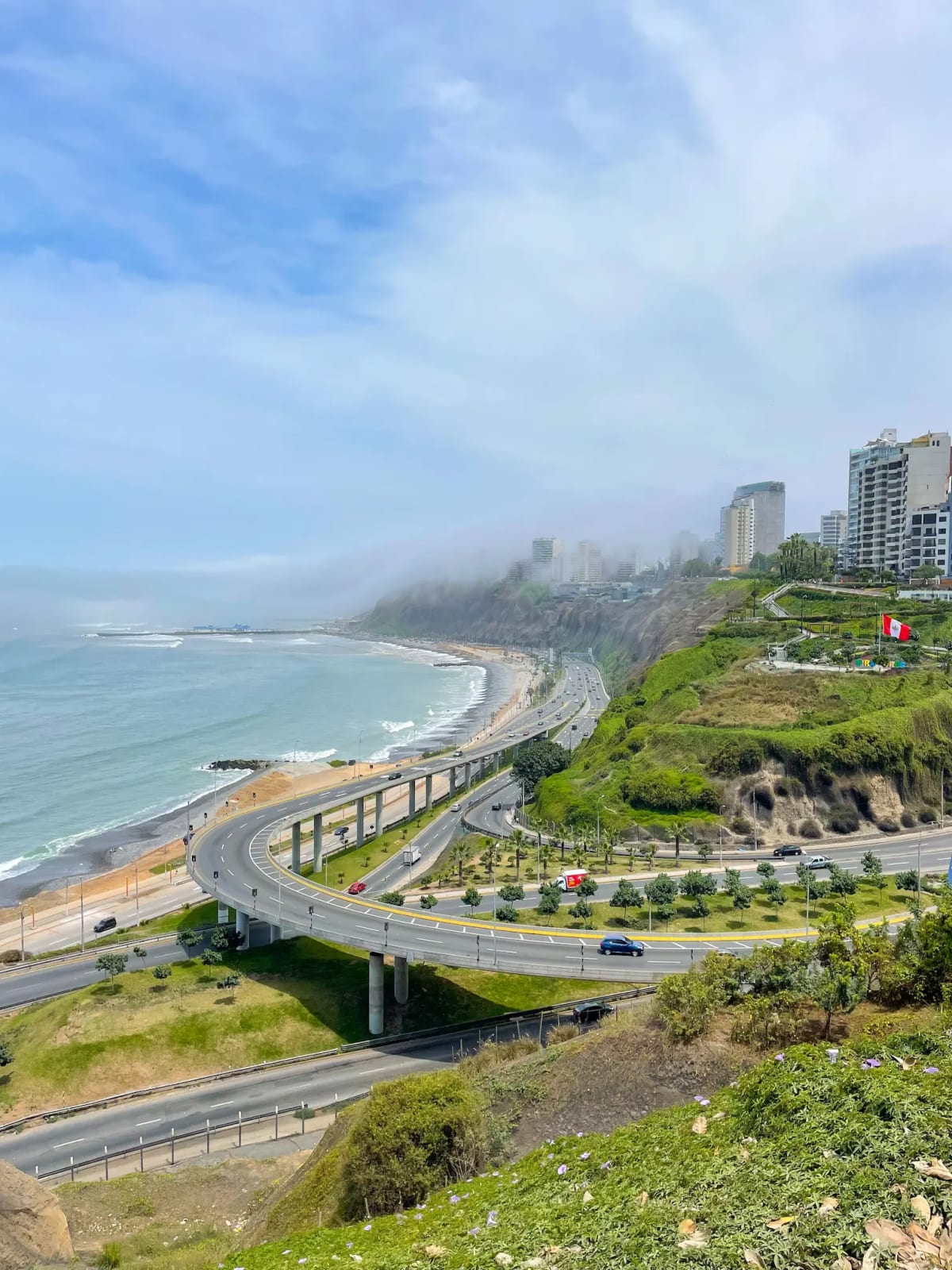
Lima’s Coast
Disclaimer: This post contains affiliate links. If you book or buy through these links, I may earn a small commission at no extra cost to you. Thank you for supporting my blog!
Intro to Lima (& Why You Should Stay Longer)
Peru’s capital, Lima, is one of South America’s largest cities. Lying on the Pacific coast, Lima is often just a stepping stone for other popular destinations in Peru, namely Machu Picchu. However, there is a charm that made me fall in love with the vibrant city throughout our two month stay, so don’t breeze through your visit too quickly. Take my advice and you'll spend your mornings wandering bohemian streets, snacking on ceviche, or enjoying cliff-side breezes, and spend your nights having rooftop dinners overlooking the city or drinking pisco sours at local dive bars downtown. Lima is a cuisine hub, referred to as the ‘gastronomic capital of Latin America’ due to its exquisite dishes, and I can confirm: Peruvian food is delicious. If the activities and sights aren't enough reason to spend more time in the city, then the food most definitely is!

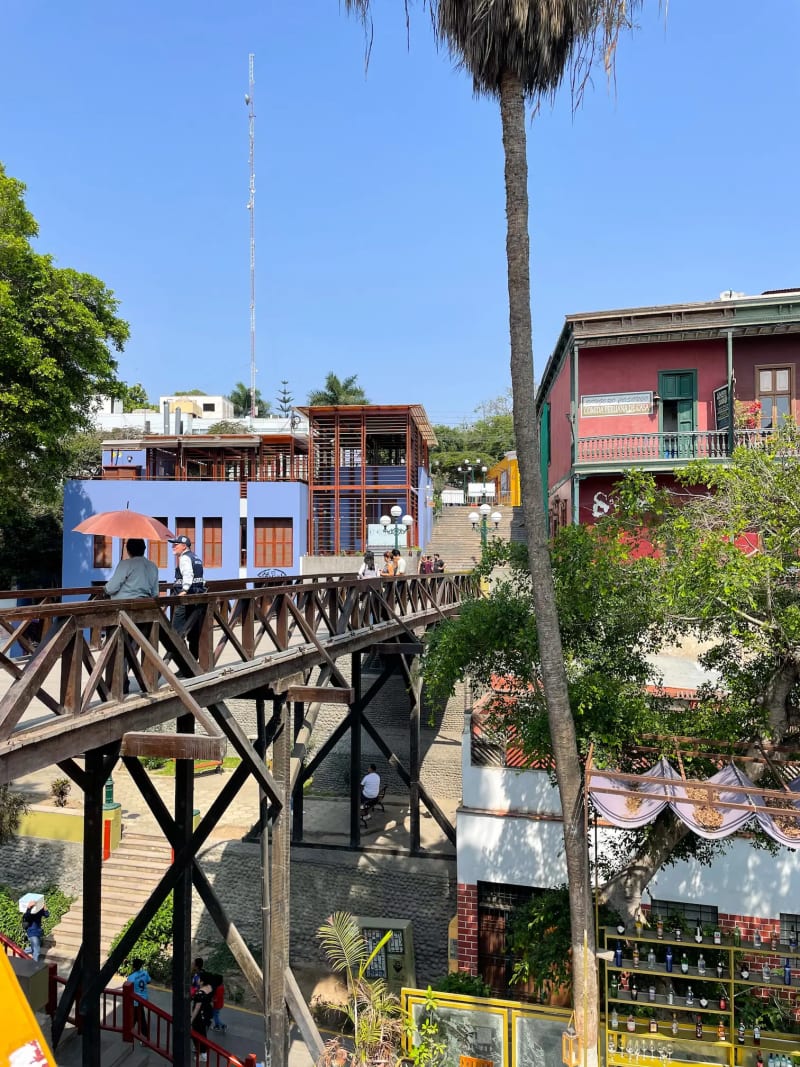
When is the Best Time to Visit Lima?
Overall: December-March. My Personal Favorites: September-October and March-April
- Spring (September-November): Best
- Autumn/Fall (March-May): Best
- Summer (December-March): Excellent
- Winter (June-August): Ok but most popular
Most people fly into Lima as their stepping stone to Machu Picchu, which heavily influences the city's high tourist season. If that's part of your trip, knowing Perus microclimates is key to planning. The best time to visit the world wonder is during the Andes' dry season from May to September. The biggest crowds and clearest skies peak from June to August (winter season)—during this time, the Andes have sunny days while Lima is wrapped in its signature winter garúa fog and has cooler weather.
From June to August Lima's highs are around 64-68°F, and it's very common to have cloudy skies with a steady, chilly breeze along the coast. If you're visiting during this time, be sure to bring some long pants and a light jacket or sweatshirt. There's still plenty to do in the winter months, such as walk the charming streets of Barranco, sit down for some delicious Peruvian food, or do some shopping in Miraflores.
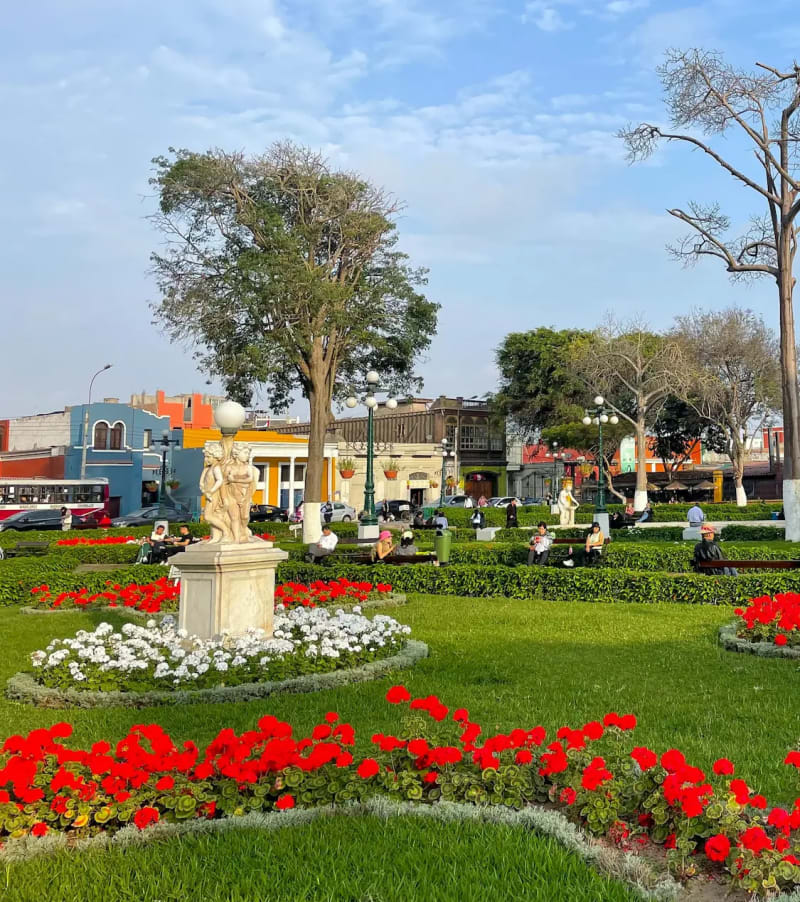
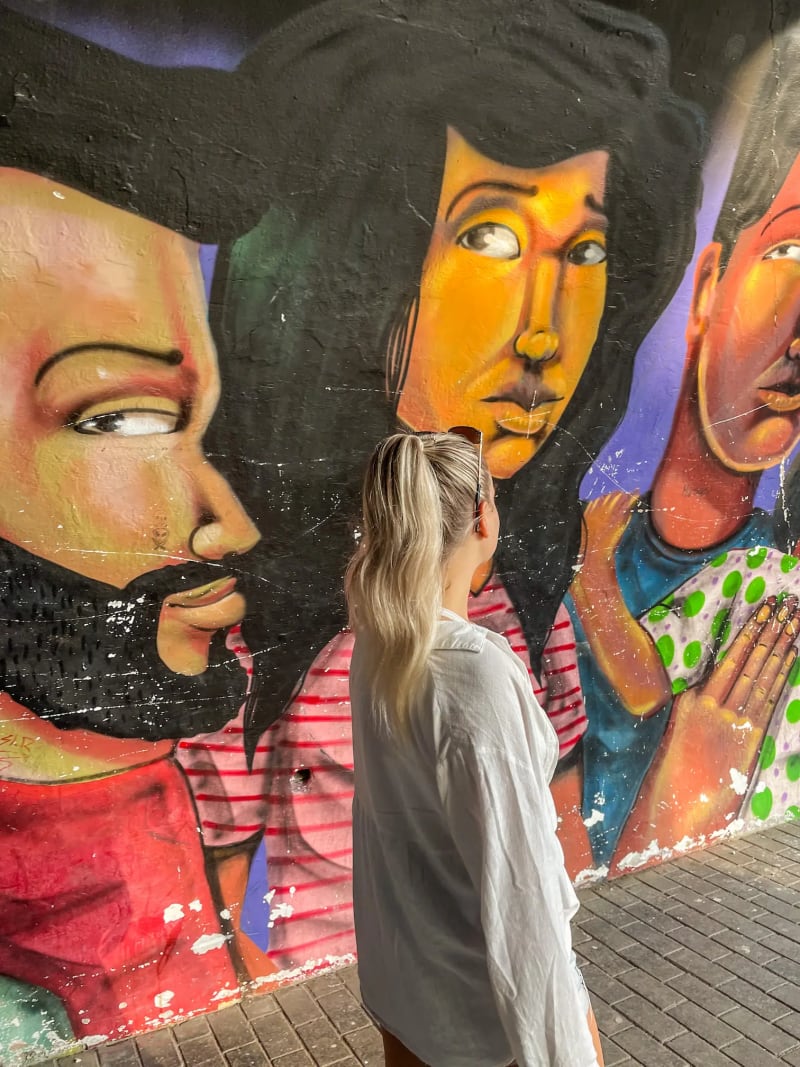
Barranco District
During the summer (December to March), temperatures typically range from the high-70s to low-80s°F. These are the sunniest months in Lima, so you’ll be able to enjoy the beaches, rooftop pools, parks, and walk around the city under blue skies.
I was in Lima during the spring shoulder season in October and November—some days I had to wear a light jacket and long pants, while others I could wear a t-shirt and shorts. The weather pleasent (high-60s to low-70s°F), warming from winter, and it was noticeably less busy than peak seasons. It was also still an excellent time to visit Machu Picchu, with the weather up there mostly dry and sunny. Autumn (March-May), while slightly warmer and wetter than Spring, is similar in Lima. The weather starts cooling from summer (highs in mid-to-low 70s°F), and there are variable but often nice days.
What are the Best Areas to Stay in Lima?
The three best places to stay in Lima, each with its own unique vibe, are the districts of Barranco, Miraflores, and Centro Histórico. All three are safe for tourists, walkable or an easy Uber ride apart, and show you completely different sides of the city.
While Centro Histórico is one of the three best districts to stay in Lima overall (considering things to do, safety, proximity to attractions, beauty, etc.), I personally don't recommend staying here. I prefer Barranco and Miraflores—cleaner, similar prices (though Centro Historico has the cheapest options), more walkability, and better safety. Regardless, it's one of the three top places for tourists to stay in Lima so I'll give you all the info you'll need to choose which stay is best for you.
Barranco
Vibe/Overview: Trendy & artsy, Bridge of Sighs, authentic, colonial-era, beach
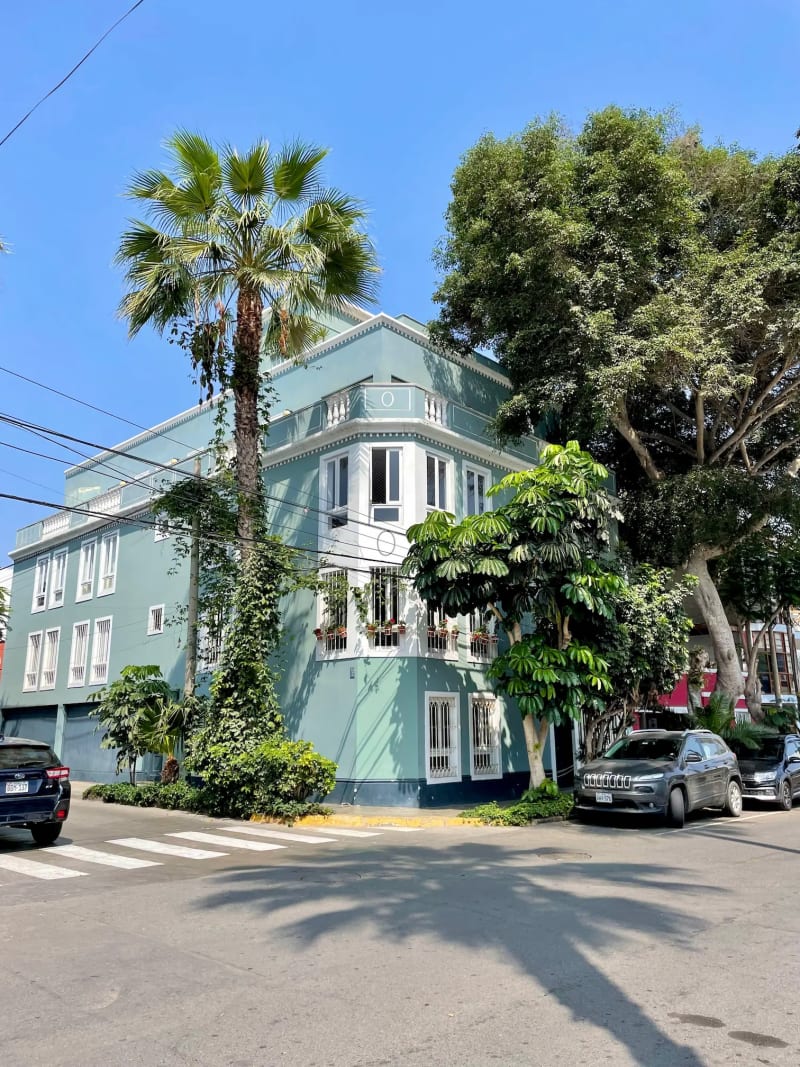
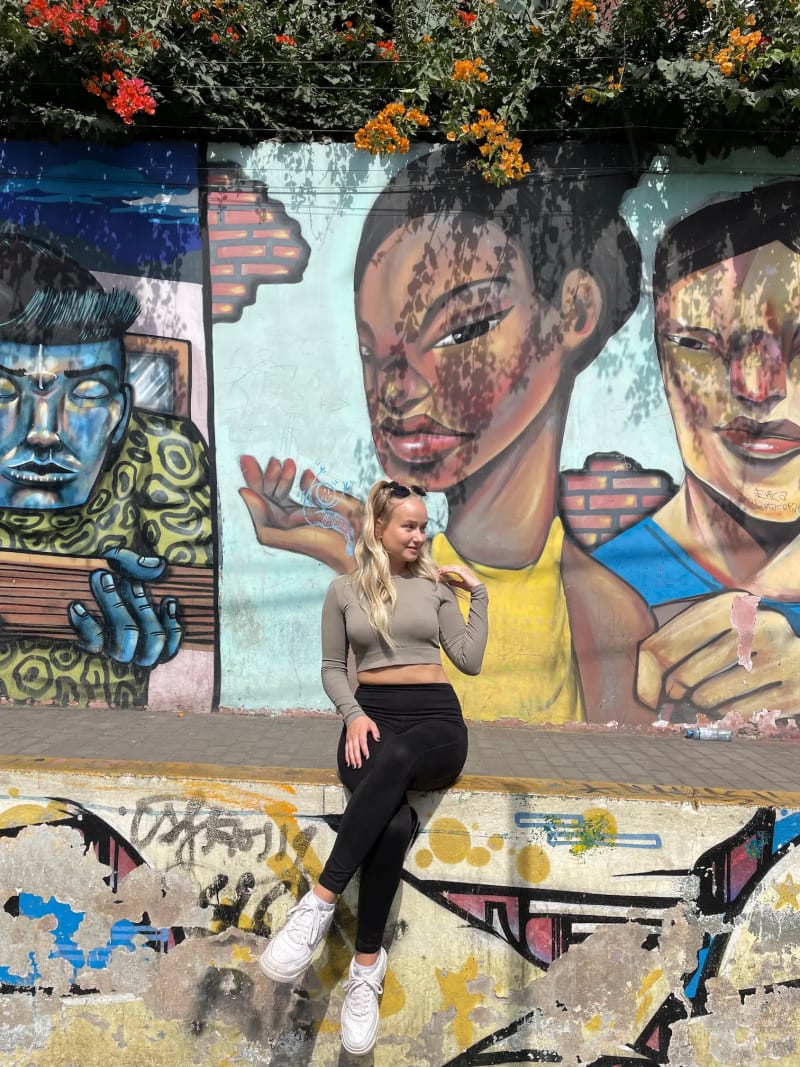
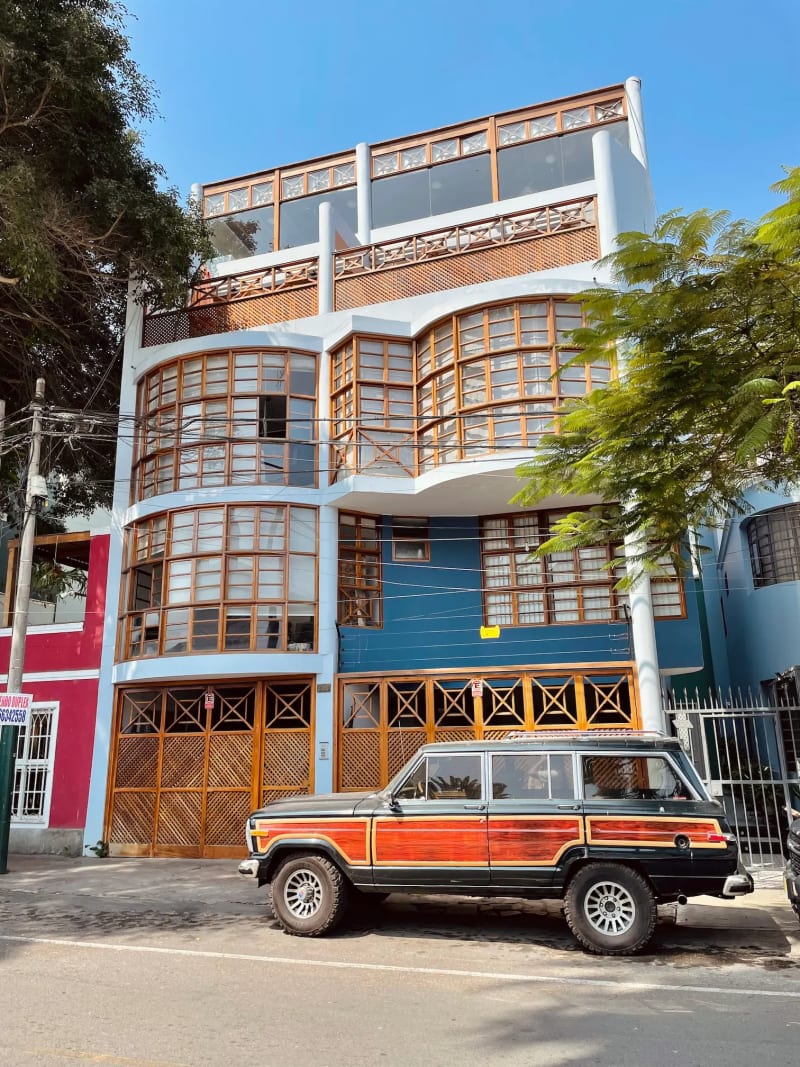
Barranco, the very trendy bohemian district of Lima, is my personal favorite. It’s the city's artsy heart, full of vibrant colonial-era houses, colorful street art, low-key cafes, boutique galleries, and best of all, an unmistakable feeling of romance in the air. At night the neighborhood comes to life with live music at traditional peñas and indie restaurants, while still staying relaxed and local rather than overly touristy.
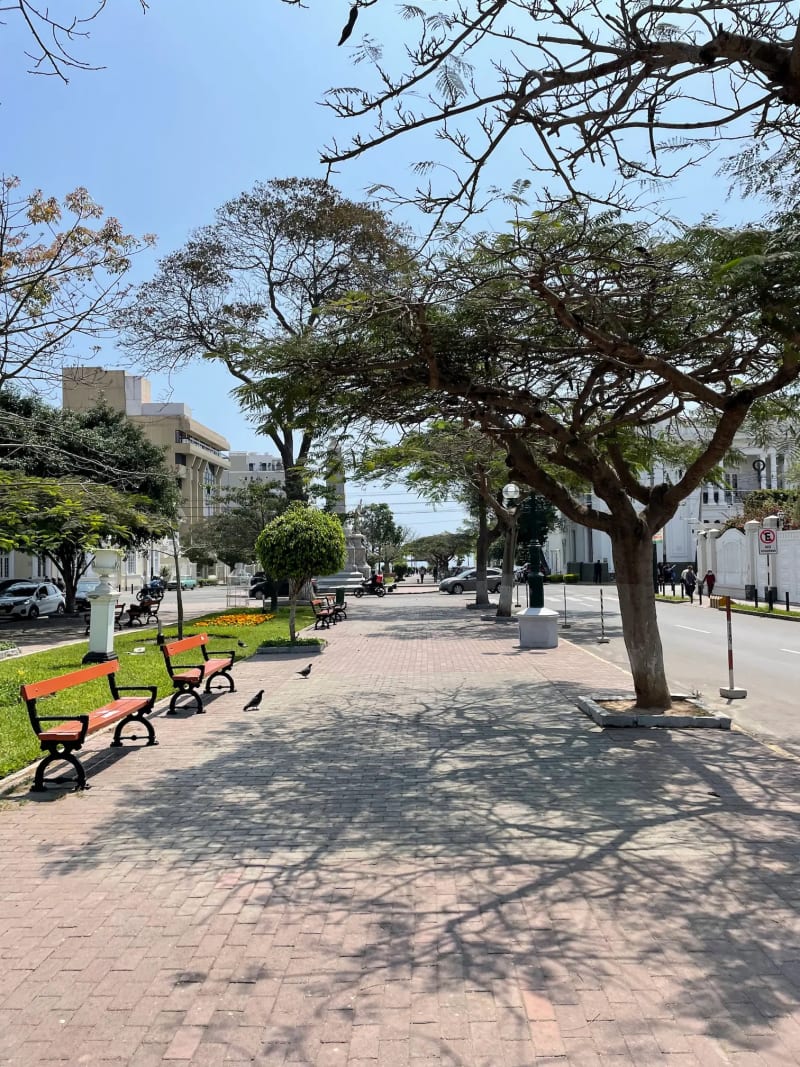
One of the things that makes Barranco have such a romantic vibe is the iconic Puente de los Suspiros (Bridge of Sighs)—a wooden pedestrian bridge wrapped in legends of secret lovers and wishes—and the Bajada de Baños stairs that lead directly to Playa Los Yuyos, a pebble beach that's one of the most accessible and laid-back in the city.
It's the best place to stay in Lima for couples, creative solo travelers, or anyone wanting a slower, authentic vibe. There's a lot of charming stays, such as boutique hotels inside restored mansions, and prices are usually a bit lower than Miraflores. It's super safe in the main squares and lit streets, especially around Parque Municipal.
Miraflores
Vibe/Overview: Upscale coastal hub, Larcomar mall, nightlife
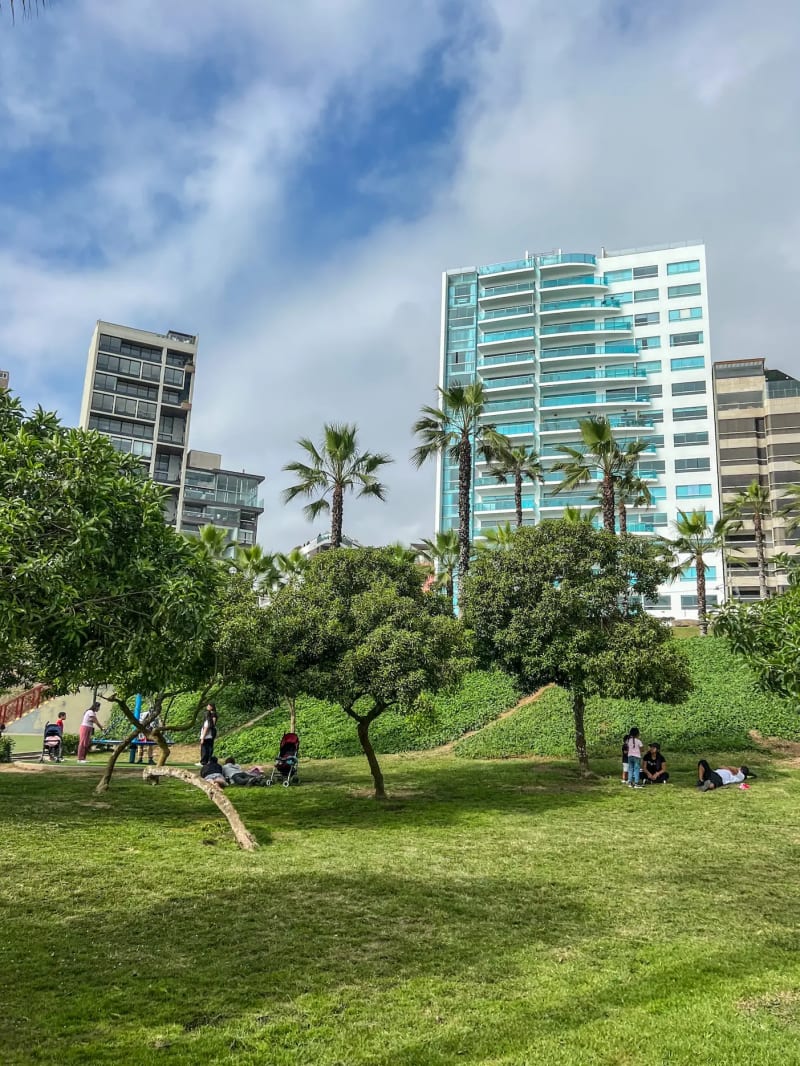
The Barranco and Miraflores districts are connected by a scenic coastal promenade called the Malecón (~30-45 minutes on foot). Of the two districts, Miraflores has the longest stretch of the Malecón—perfect for jogging, paragliding, and Pacific coast views. As one of the wealthiest and busiest districts of Lima, it feels like the modern “downtown” hub. It's upscale, residential, and full of energy—luxury shopping (such as at the famous Larcomar mall built right into the cliffside), oceanfront restaurants, and fun nightlife.
It's the most convenient and safest choice for first-timers, families, or those who want more high-end experiences—there's hotels like the JW Marriott or Belmond Miraflores Park, rooftop pools, and international chains all in walking distance. Like Barranco, there's beach access here too, with Bajada Balta stairs (right by Larcomar) leading down to beaches like Waikiki or Los Delfines.
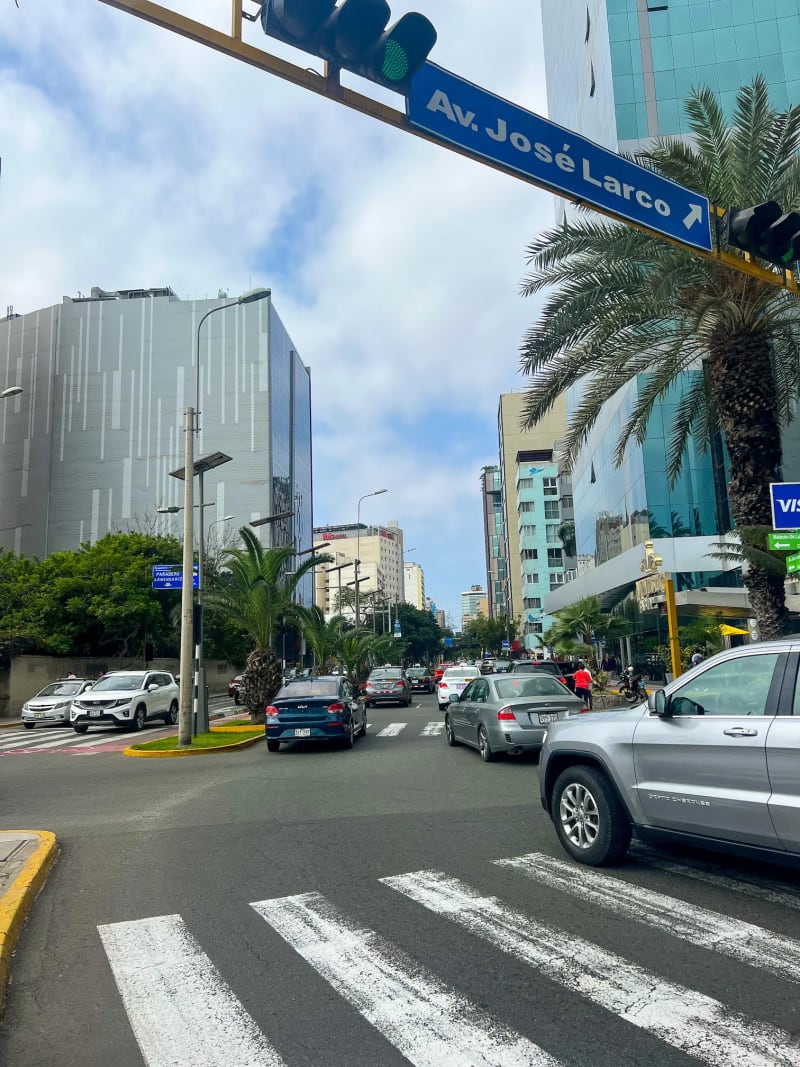
While it has lots of luxury, there's also lots of (quite nice) hostels. For my solo traveling readers: I had zero trouble meeting people in Miraflores at night—especially at the hostel bars—and found it to be one of the easiest cities to make friends! The districts' many bars and clubs fill with locals and tourists looking to experience Lima after dark, and it's so much fun! That said, while it feels perfectly safe with plenty of police during the day, it gets a bit sketchier at night. I'd recommend Ubering to the busier bars and sticking to well-lit streets & squares.
Centro Histórico
Vibe/Overview: Historic heart, Plaza Mayor, Lima Cathedral
While Barranco and Miraflores are perched on the coastline, the Historic Centre of Lima (Centro Histórico) is a bit further inland and is one of the most important neighborhoods representing Lima’s rich past. This UNESCO World Heritage site is filled with squares, churches, monuments, museums, and beautiful 16th-19th century architecture: intricately carved wooden balconies, soft pastel-colored buildings, and cobblestone streets. Centro Histórico is known as the “City of Kings” (Ciudad de los Reyes) because Lima was founded in 1535 during a religious holiday called ‘Epiphany’, which is said to be when the Three Kings visited the Baby Jesus.
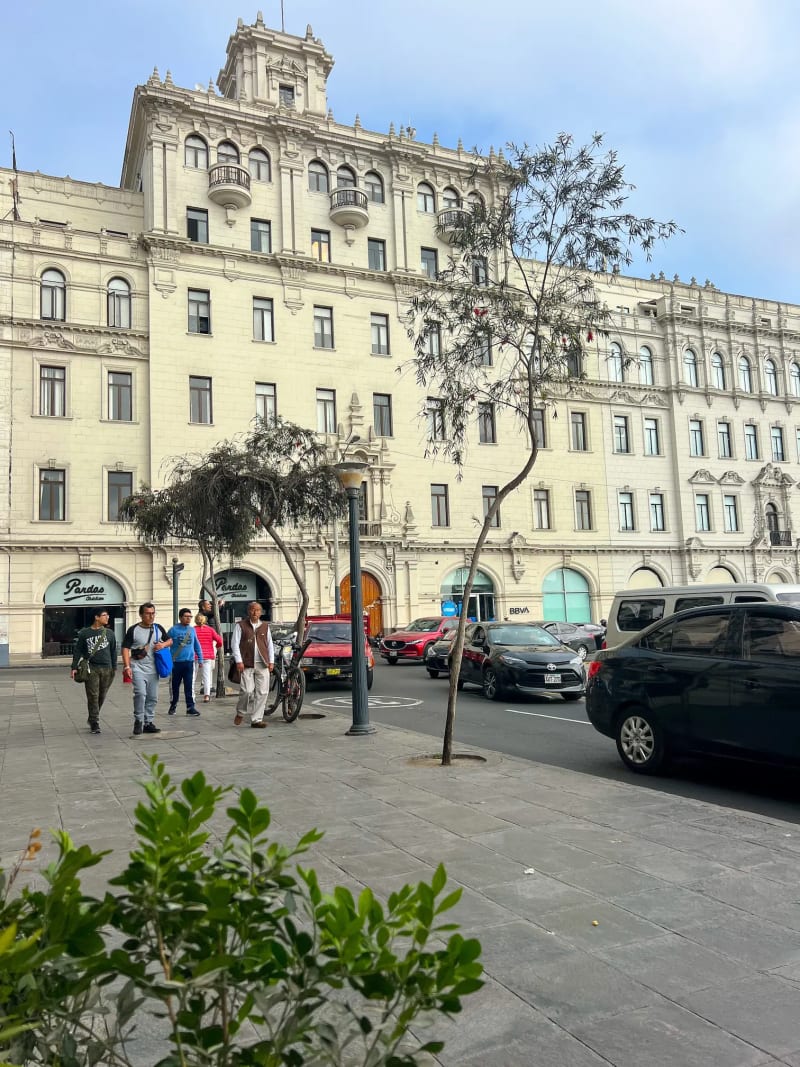
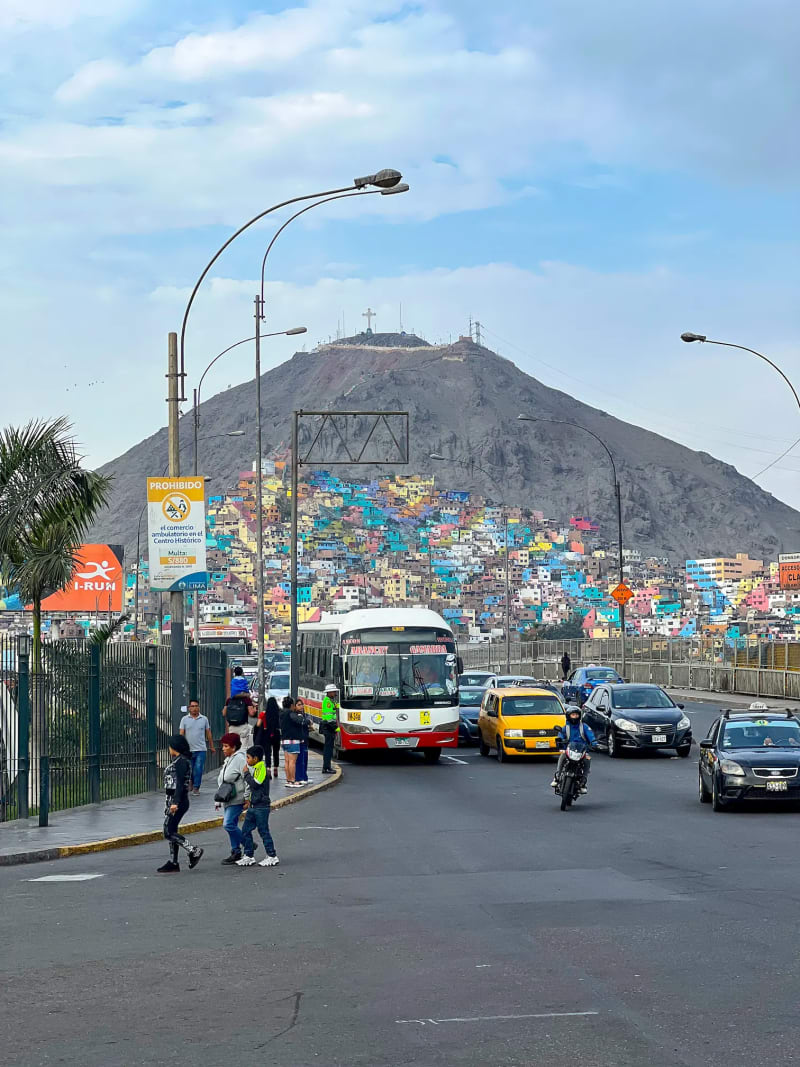
This district is scattered with affordable boutique hotels and hostels, so it's a great place to stay for history lovers or budget travelers. It does get busier and noisier than the coastal districts, but that also means it's a good place for nightlife. After dark, I highly recommend Ubering door-to-door (e.g. directly to the bar, then directly home). In comparison to the other two districts, Centro Histórico felt the least safe at night, so I wouldn't walk around after the sun sets.
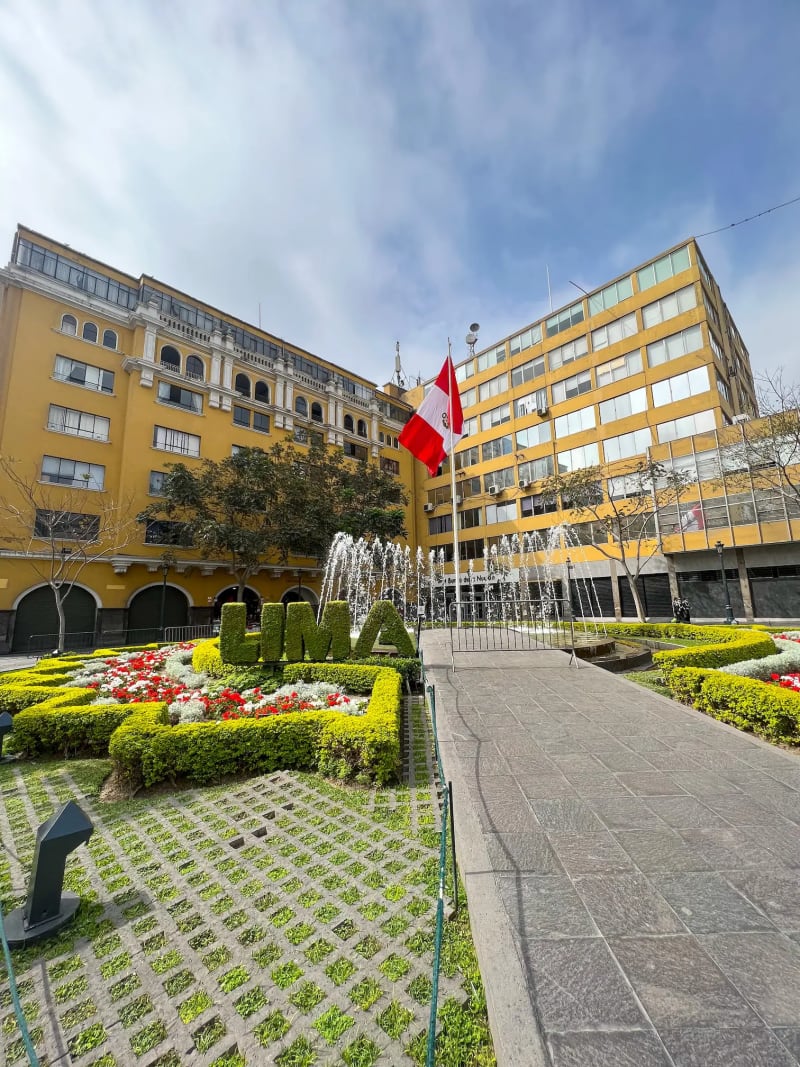
| Barranco | Miraflores | Centro Histórico | |
|---|---|---|---|
| Vibe | Romantic & bohemian | Upscale & energetic | Historic & lively |
| Best for | Couples & creatives | First-timers & families | History buffs |
| Beach access | Yes (Playa Los Yuyos) | Yes (Waikiki / Los Delfines) | No |
| Pros | Boho charm, street art & galleries, authentic feel, best local restaurants | Safest district, upscale shopping, longest Malecón stretch, fun nightlife | Rich colonial history & UNESCO sights, central to major attractions, affordable stays |
| Cons | Can get noisy at night, fewer big hotels, slightly farther from airport | Higher prices overall, can feel touristy/commercial | No beach, sketchy areas & less safe at night (Uber around), noisier & busier |
| Price Level | Mid-range boutique (~$35–160/night) | Mid-to-upscale (~$30–300+/night) | Budget-friendly (~$20–100/night) |
| All have hostels and dorms available, usually starting around $10 | |||
Is Lima Safe?
I stayed in Barranco for 2 months and felt very safe the whole time—same for Miraflores, and in all the busy/popular areas of Centro Histórico. In my experience locals aren’t particularly outgoing, but they're friendly and kind if you need help or directions. As with any big city, be vigilant: don’t walk down empty streets alone or flash fancy jewelry (pick-pocketing or petty theft is always a risk), and stay out of sketchy areas outside the main zones.
If you plan on venturing farther out just make sure to look up the neighborhood first, since most warnings are area-specific, and use common sense. Overall though, I felt comfortable in Lima and often had solo shopping days and cliffside picnics without feeling uneasy. There have been a few cities in my travels where I felt uncomfortable even walking to the grocery store alone—Lima was never one of them.
My Practical Safety Tips for Lima
- Use Uber or InDrive — Avoid street taxis
- Keep your phone away — Phone snatching from scooters or on busy sidewalks is the most common scam right now
- Stick to well-lit main streets at night They’re lively and feel safe
- Research before you go — Areas like Callao, La Victoria, or parts of Centro Histórico after dark should be avoided or done with Uber/InDrive door-to-door
- Trust your gut — If something feels off, it probably is
In conclusion: Yes, Lima is safe for tourists in 2026 — especially if you base yourself in the neighborhoods I mentioned earlier. I had an amazing time and never felt worried.
What are the Top Things to Do in Lima?
Malecón de Barranco y Miraflores
Walking and picnicking along the Malecón was one of my favorite things to do in Lima. It stretches nearly 10 km along the Pacific cliffs and runs through Barranco, and Miraflores, and neighboring districts—the sections briefly get separated (e.g. by a small bridge over a highway) but are overall considered continuous.
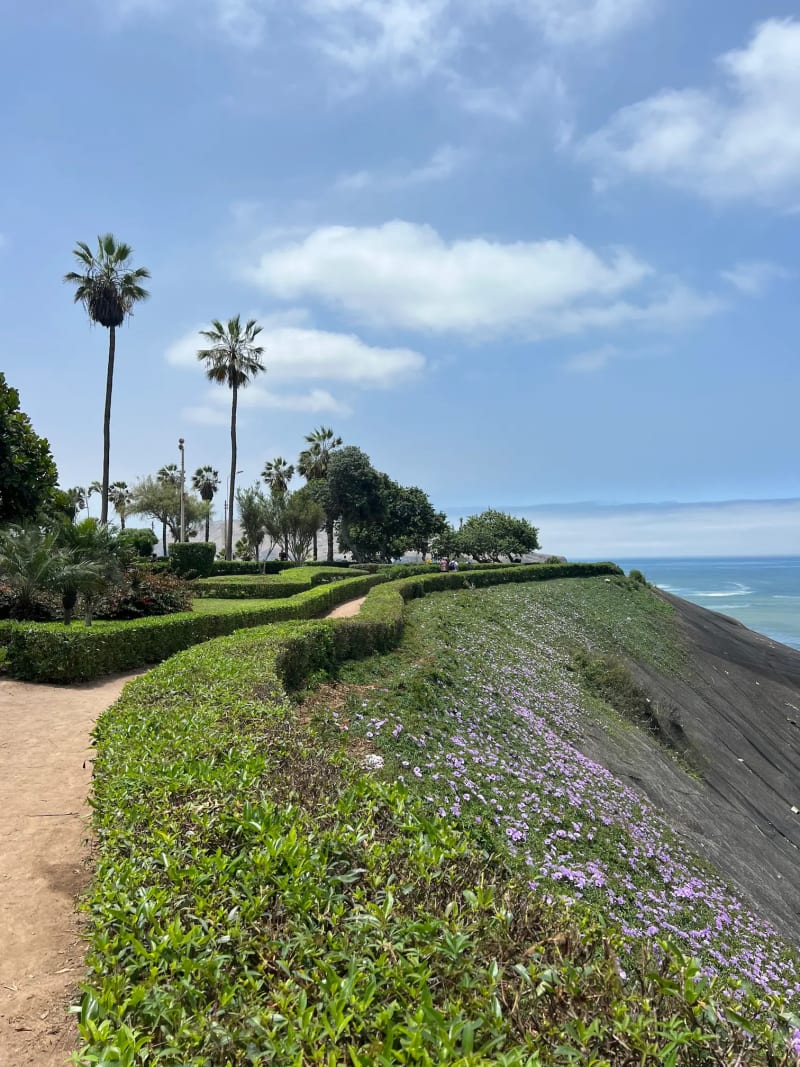
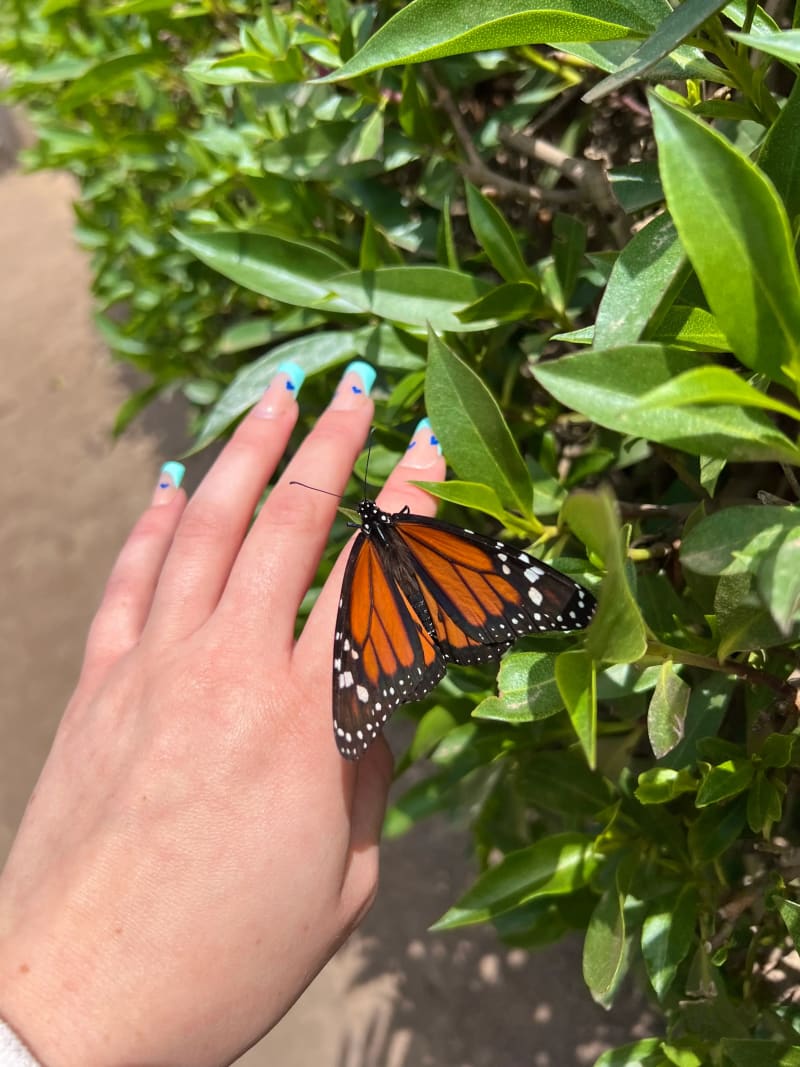
There are gorgeous ocean views and lots of activities along the way. If you were to walk the whole thing, it'd take 2-3+ hours.
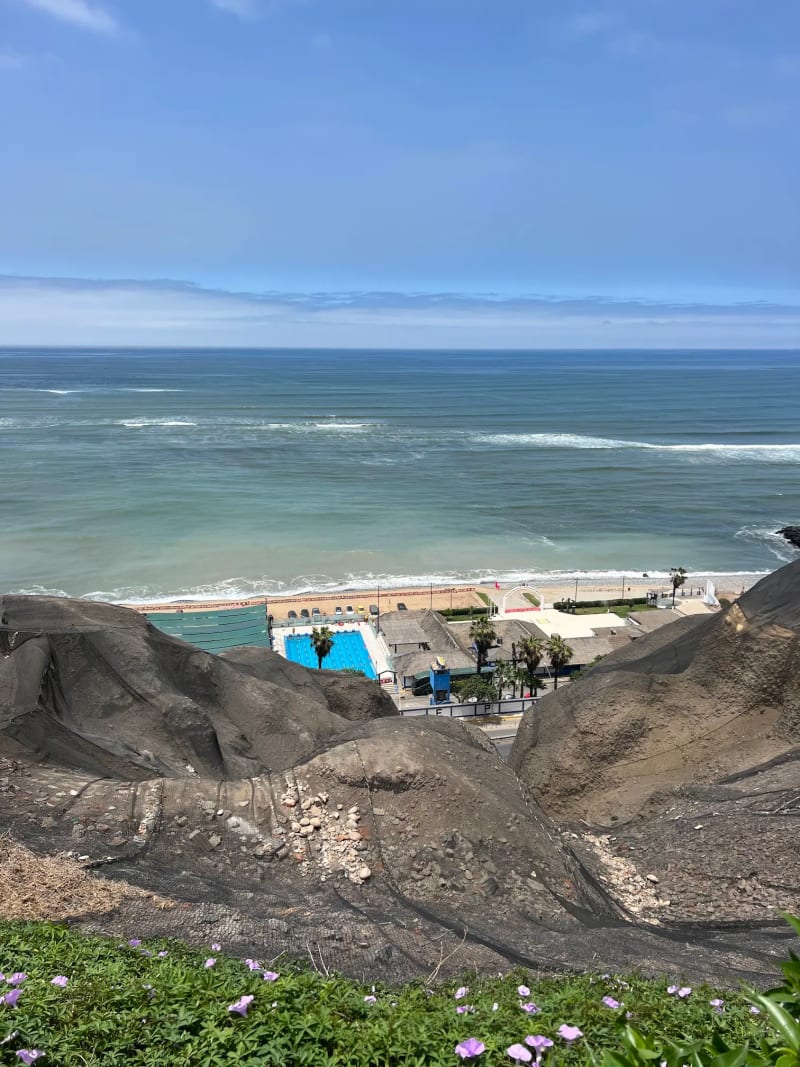
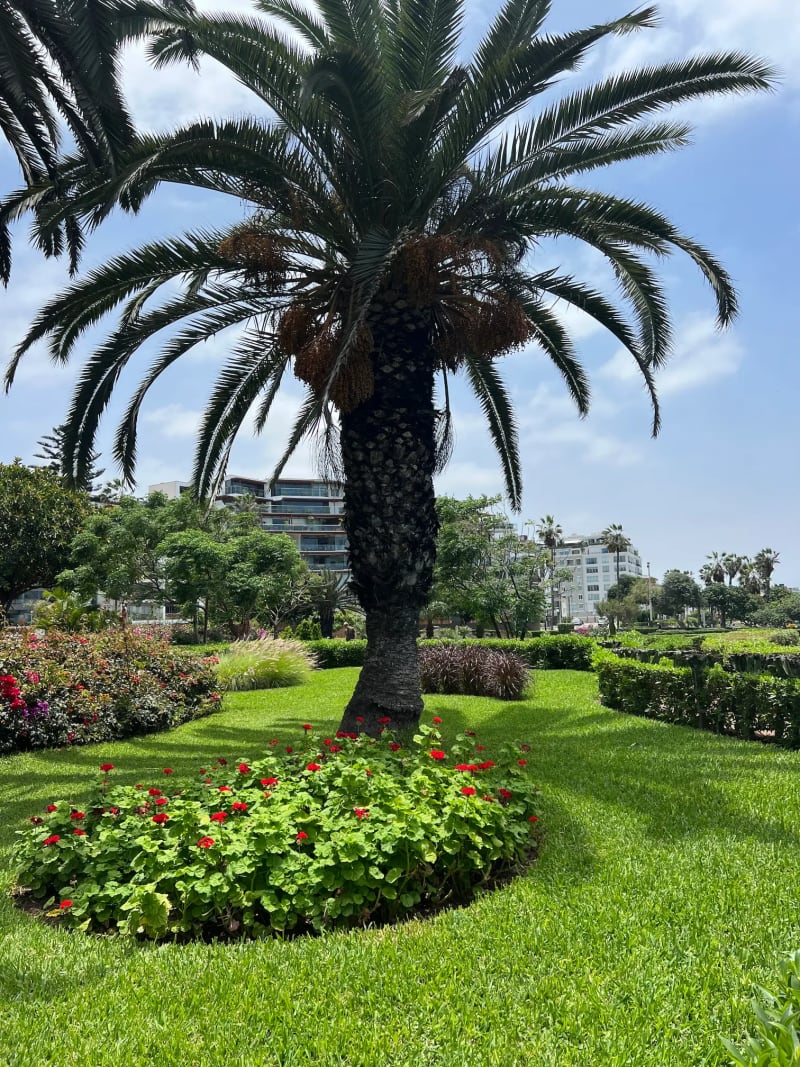
The Malecón de Barranco
The Barranco side is quieter and more peaceful—perfect for slowing down and having a picnic, watching the sunset, or just relaxing among happy pets and their owners, fresh flowers, and butterflies. The Miraflores side is more active and family-friendly, with several must-see parks and attractions. Both are beautiful; it just depends on what vibe you want. If you only have a bit of time on Limas coast, I'd stick to the Miraflores side.
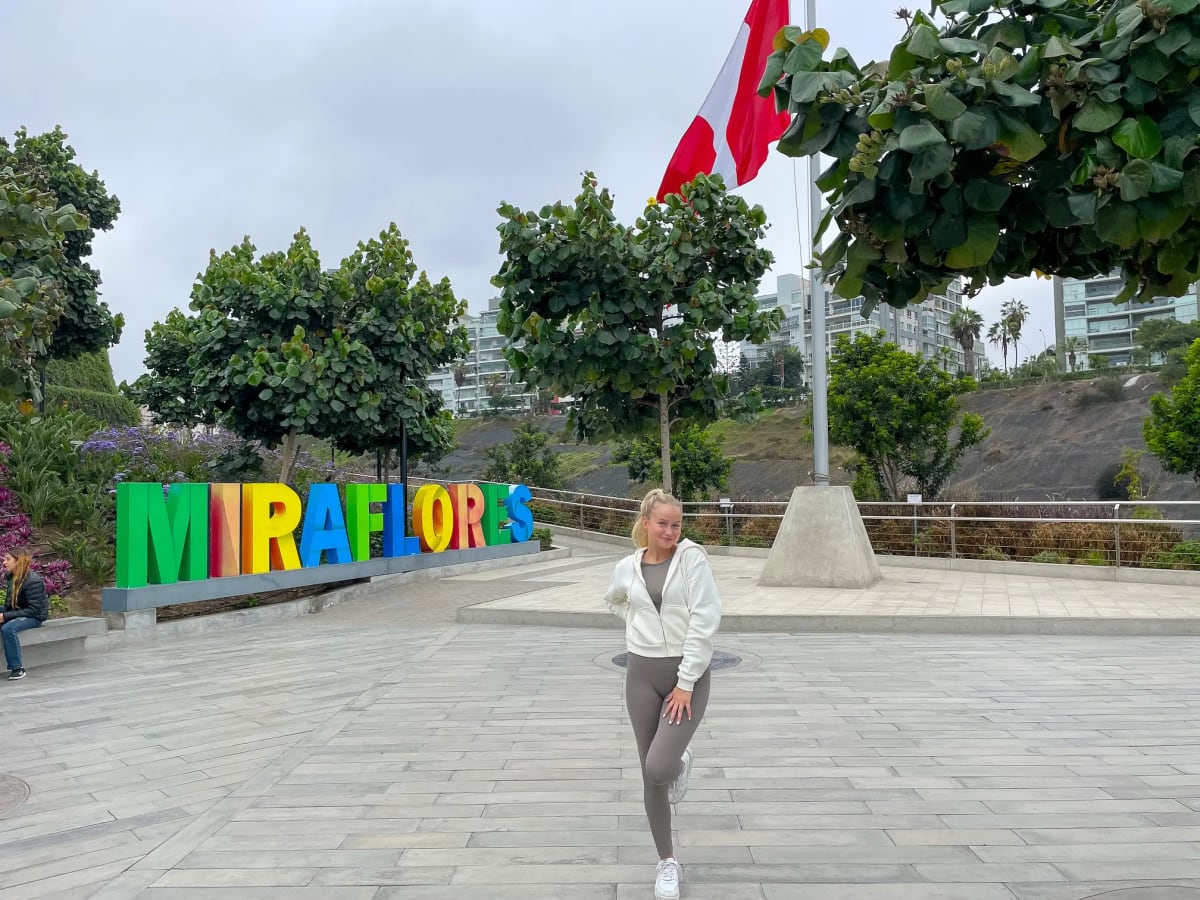
A large platform in the Malecón de la Reserva (the other side of the platform has beautiful coastal views!!)
After crossing from Barranco into Miraflores, you can detour down into Malecón De La Reserva—a pretty multi-level park with informational gardens full of plants from all over the world. It's a super small detour, not very grand since it's on a hill alongside a highway, but it's easy and worth a stroll.
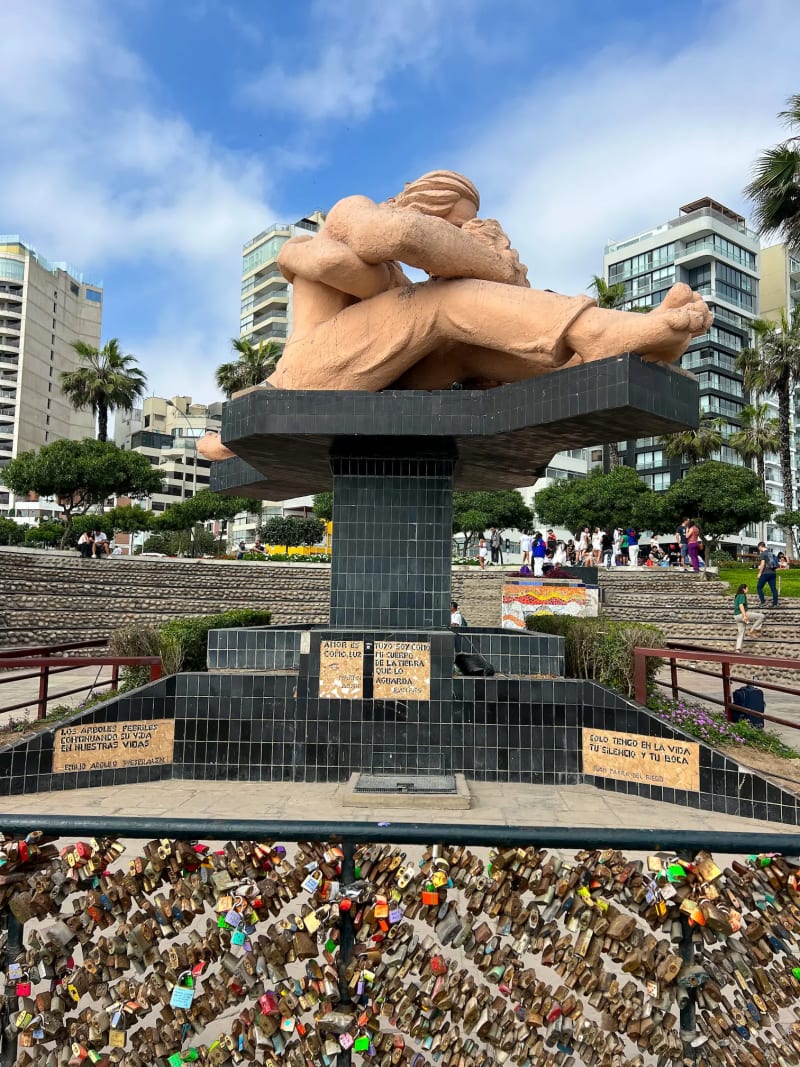
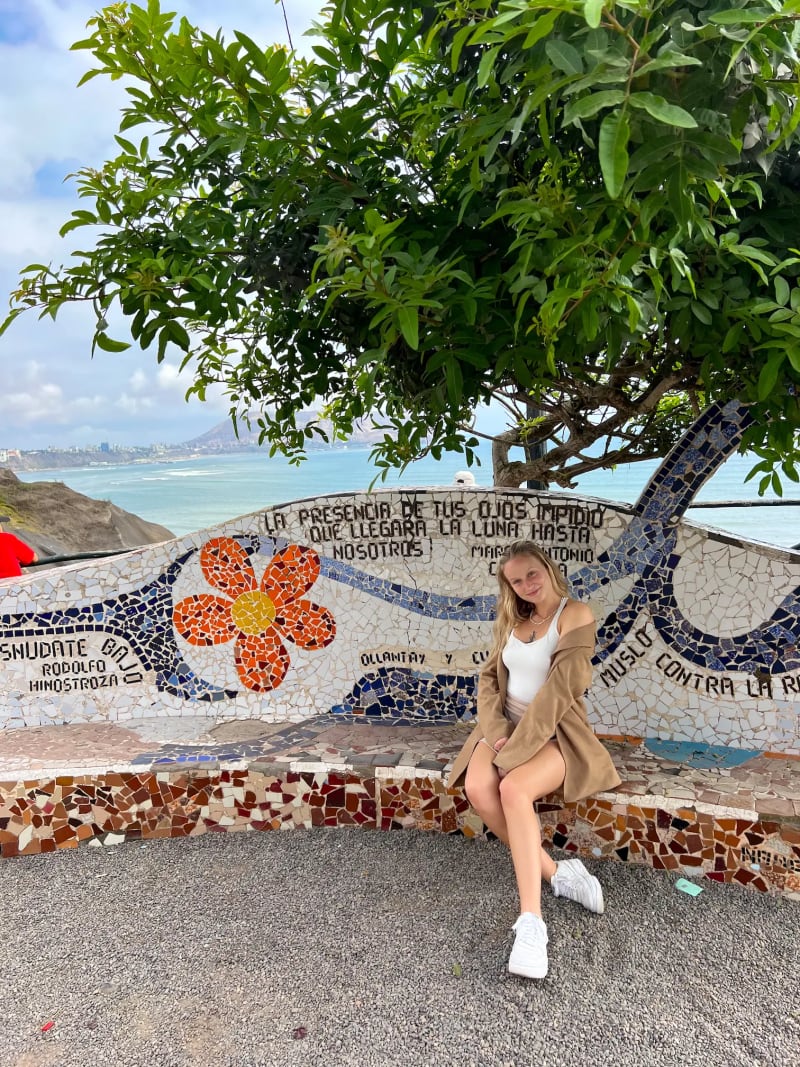
Parque del Amor, Malecón de Miraflores
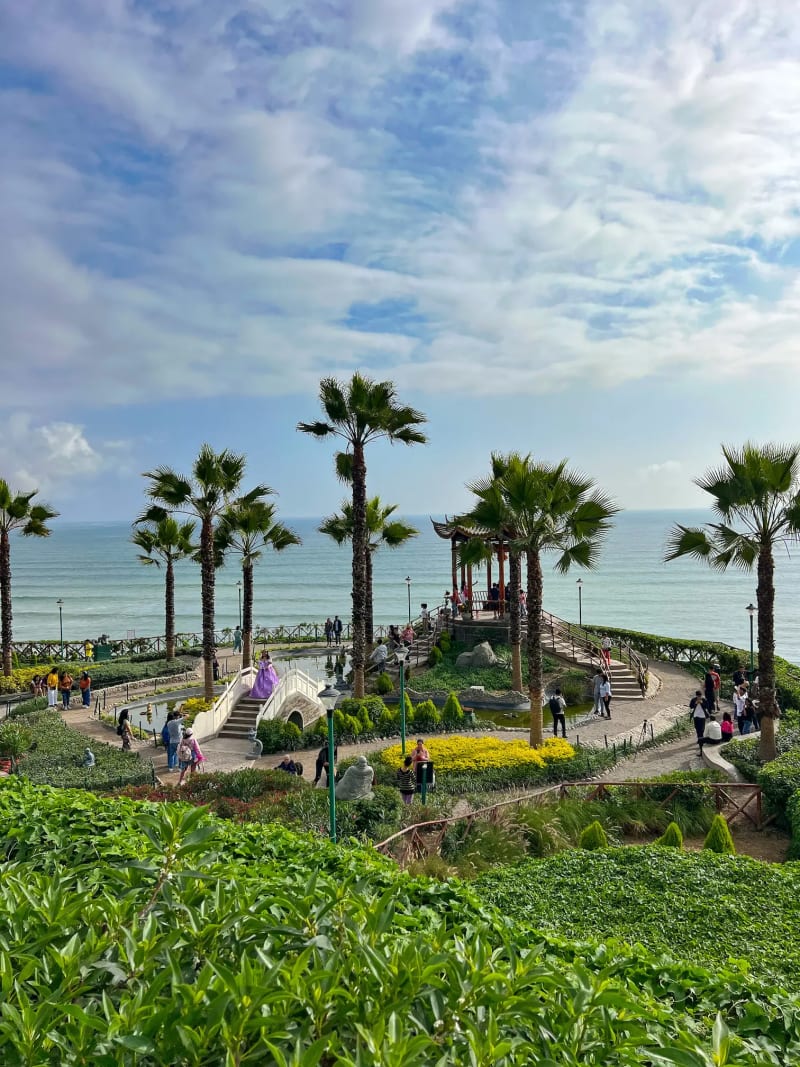
A bit further down the Miraflores Malecón brings you to Parque del Amor—opened on Valentine’s Day in 1993 & dedicated entirely to love—decorated with statues and mosaics.
Parque Antonio Raimondi, Malecón de Miraflores
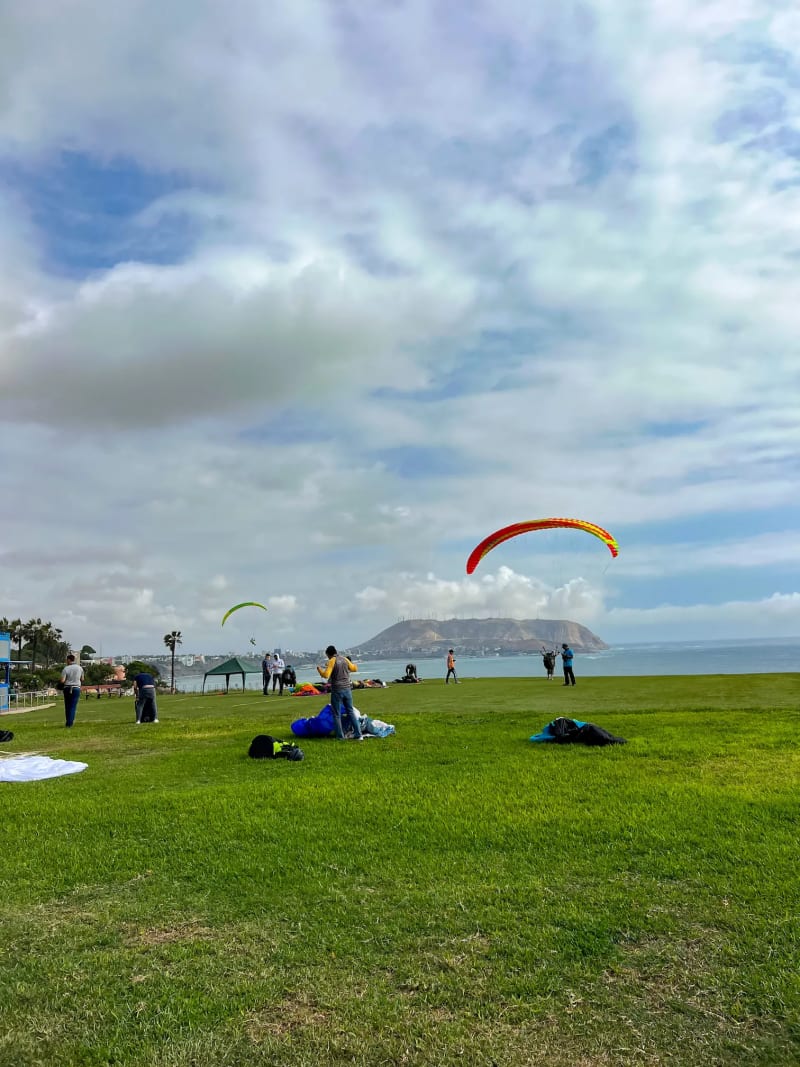
Just past that is Parque Antonio Raimondi with more vibrant gardens, a lighthouse, and the main paragliding launch site. Watching the paragliders run and jump off the cliffs is incredible - I sat there for nearly an hour taking in the fresh air and views.
Larcomar Mall
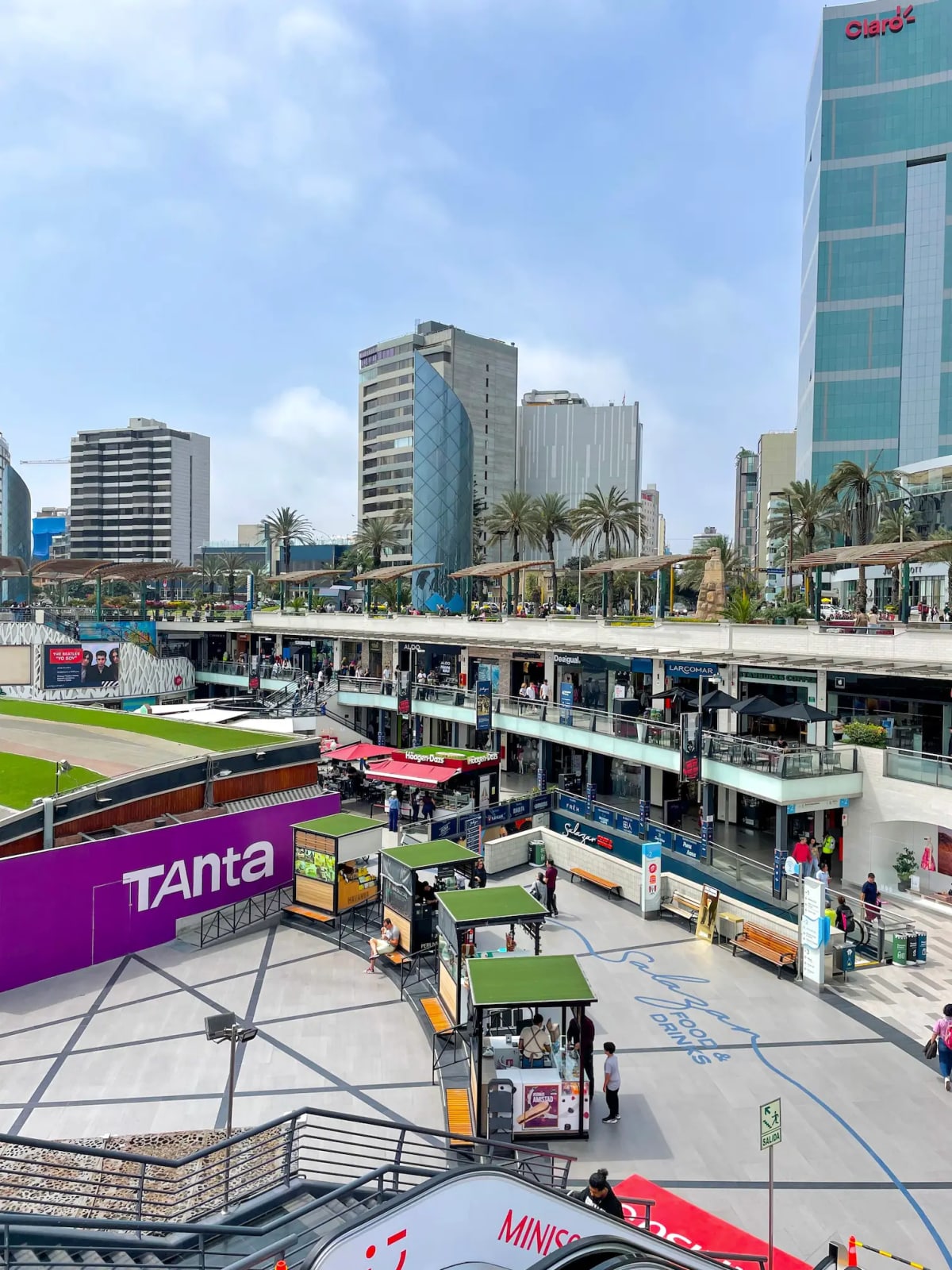
Also along the Malecón is Larcomar Mall, one of the most iconic spots in Lima. It's an open-air mall built right into the cliffs housing name-brand stores, boutiques, a cinema, grocery store, gym, and lots of delicious restaurants with ocean views. I definitely spent way too much money here! You can follow Avenida José Larco right behind the mall straight into the heart of Miraflores where you’ll find a bright and bustling scene—more shops, restaurants, hotels, and bars.
Miraflores Nightlife
In my opinion, downtown Miraflores has the best nightlife in Lima. You'll find every kind of establishment to cater to every personality that passes through the city—rooftop bars, 3-story clubs, low-key taverns, and even a food court that, for some hilarious reason, transform into a dance party late at night.
When we were heading from Barranco to Miraflores for a night out, we would get dropped off at Parque John F. Kennedy. The park itself is lively at all hours and famously full of friendly street cats. At night, the parks concrete pits (or, more professionally, the sunken, open-air amphitheaters) would turn into dance floors drawing huge crowds. They play Peruvian Creole music, salsa, cumbia, or other Latin music via speaker or small live bands, and dance—the energy is unmatched, and it's one of the most charming, authentic evening scenes in Miraflores. We also had one of these pits near our apartment in Barranco where rap battles would take place at night that we'd watch from our balcony!
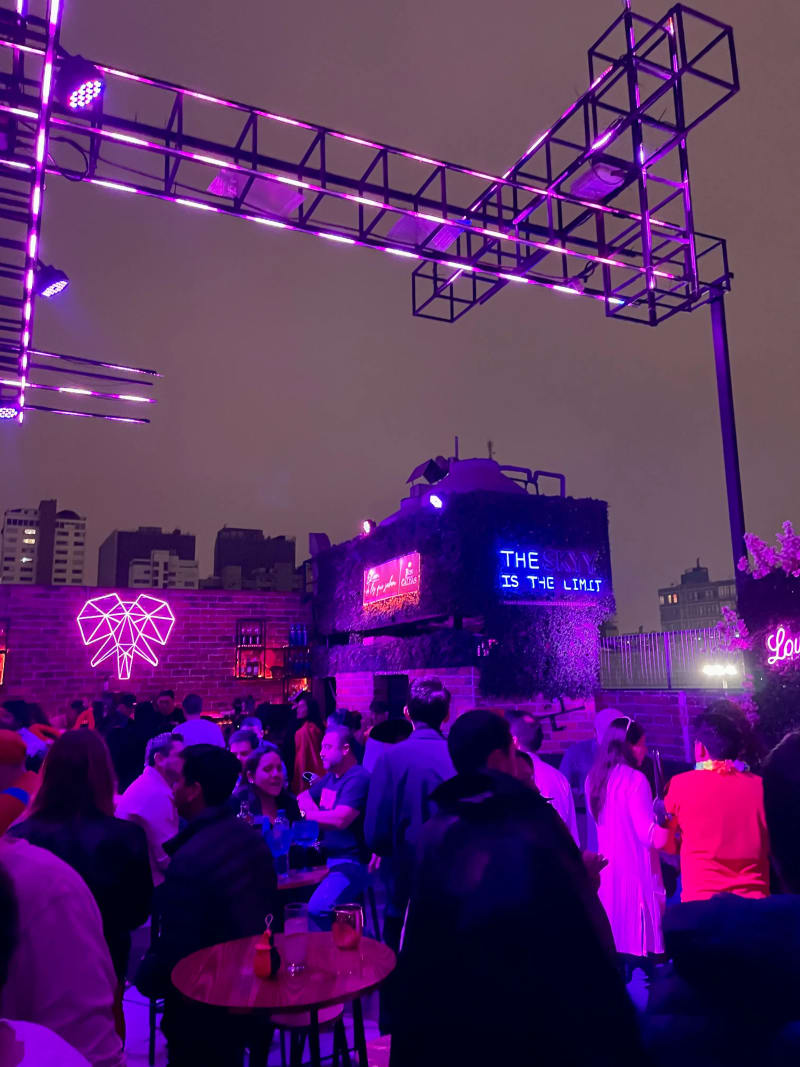
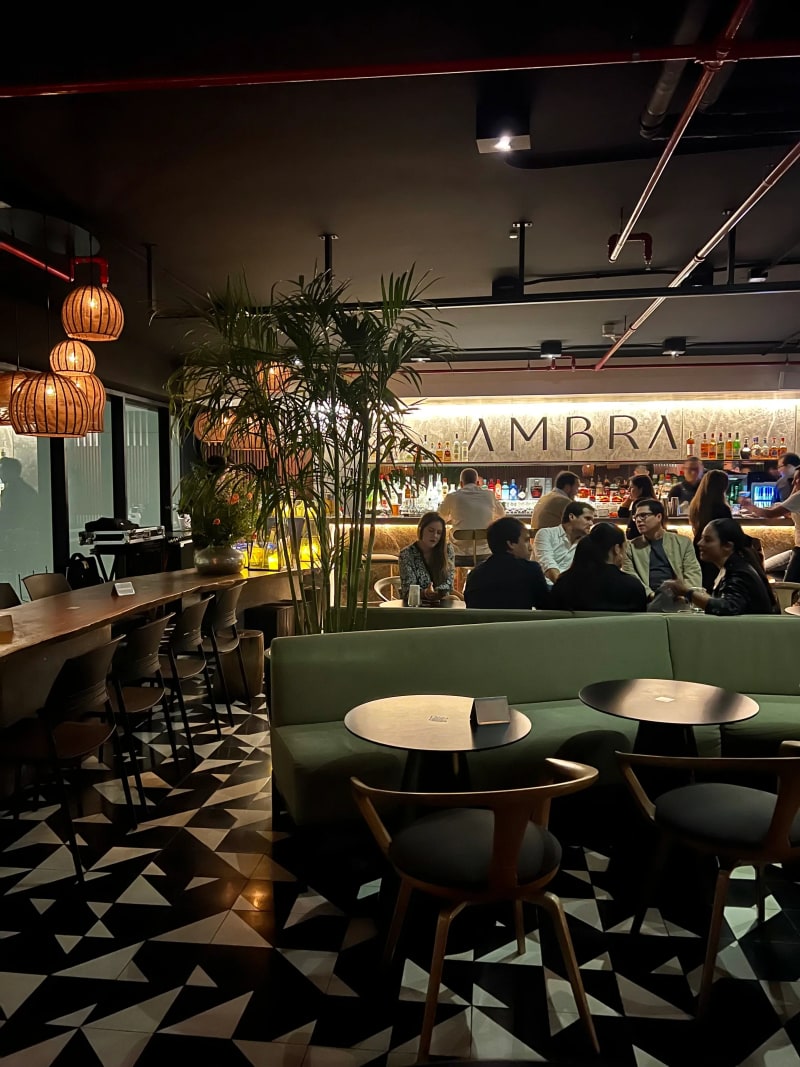
Just across the street from the park is Pje. San Ramon, a short and wide pedestrian street lined with clubs, bars, and restaurants. My top recommendations on this street are Elephant Rooftop (3 floors inc. a rooftop, each with a different music theme) and Mercado San Ramon, which is the cool food-court-turned-nightclub. The area surrounding San Ramon is also lively all night long—within walking distance, you should check out Black Llama (rooftop bar and hostel) where the vibes are immaculate and cocktails are delicious, and Ambra, a classy high-rise rooftop bar with city views but requires reservations.
The Bridge of Sighs
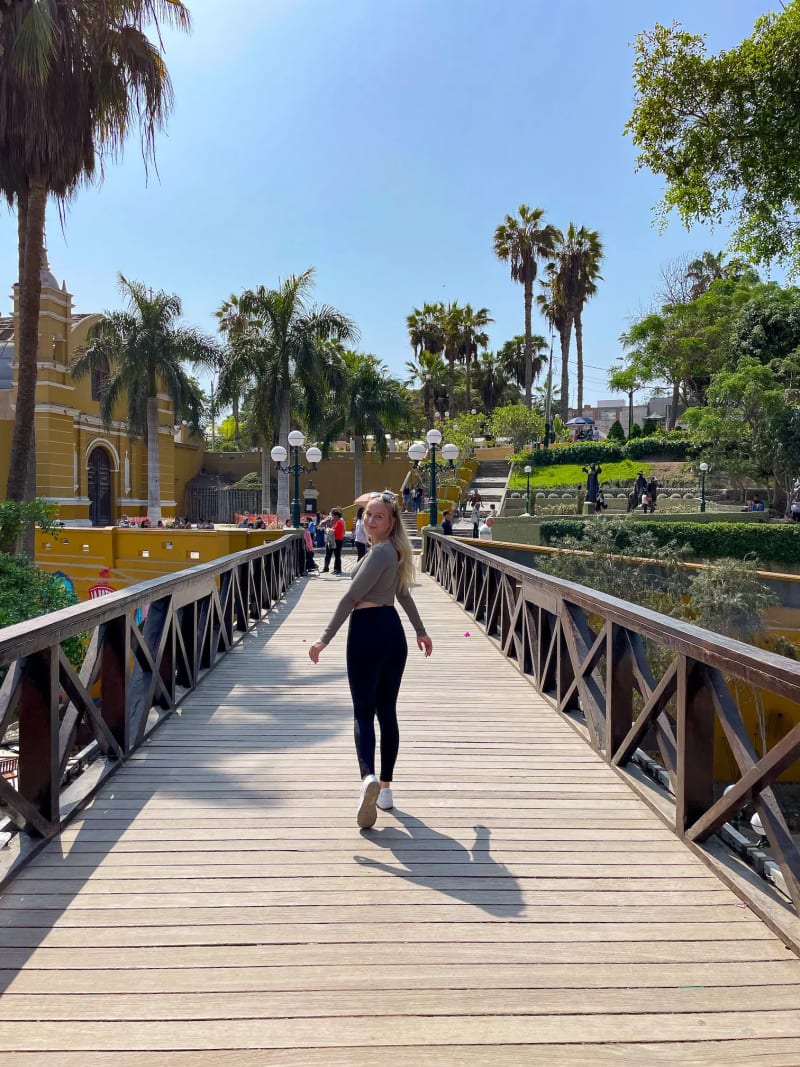
One of the most popular attractions in Barranco is the Bridge of Sighs (Puente de los Suspiros)—a wooden footbridge said to be a meeting point for couples in love. It's the ending point of the Malecón de Barranco and is built over the Bajada de Baños, a stone walkway that slopes downward to the ocean.
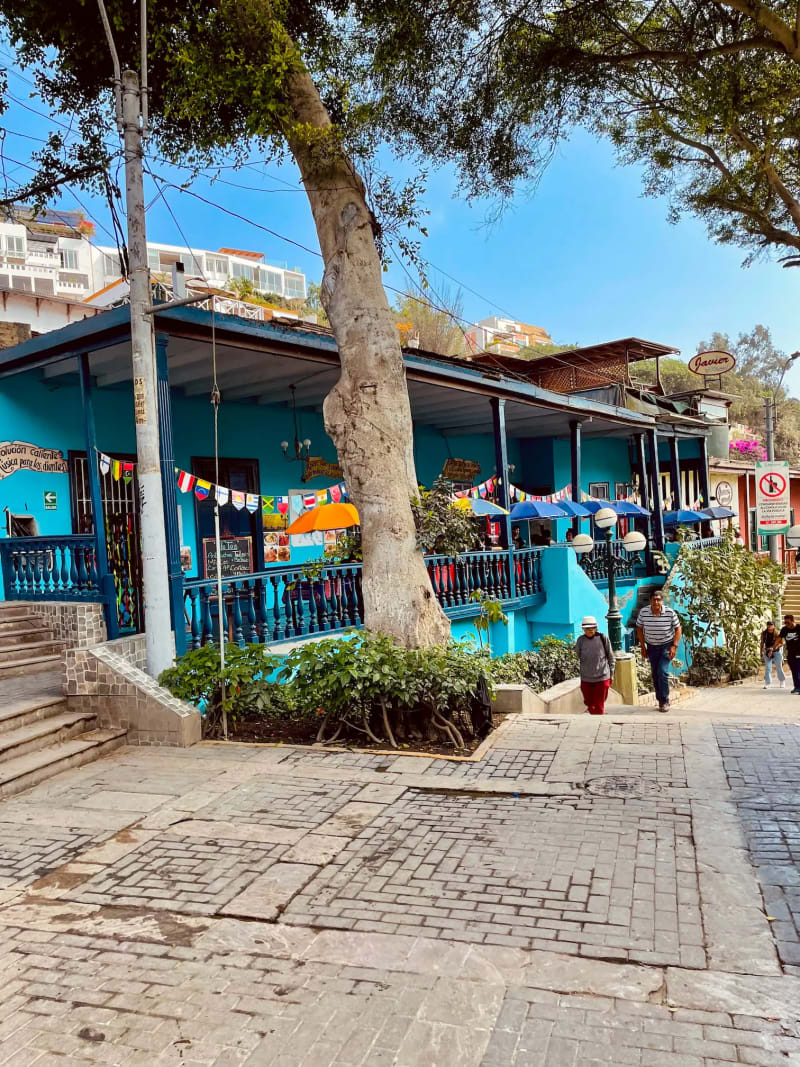
While wandering the artsy area surrounding the Bridge of Sighs, you’ll pass countless incredibly well done murals and mosaics—Central and South America has some of the most naturally creative and artistic people in the world and if you're in Lima Barranco is a great place to get a glimpse of that. I recommend ending up in Municipal de Barranco Park - a popular tree-lined square that often has traditional Peruvian dancing in the evenings!
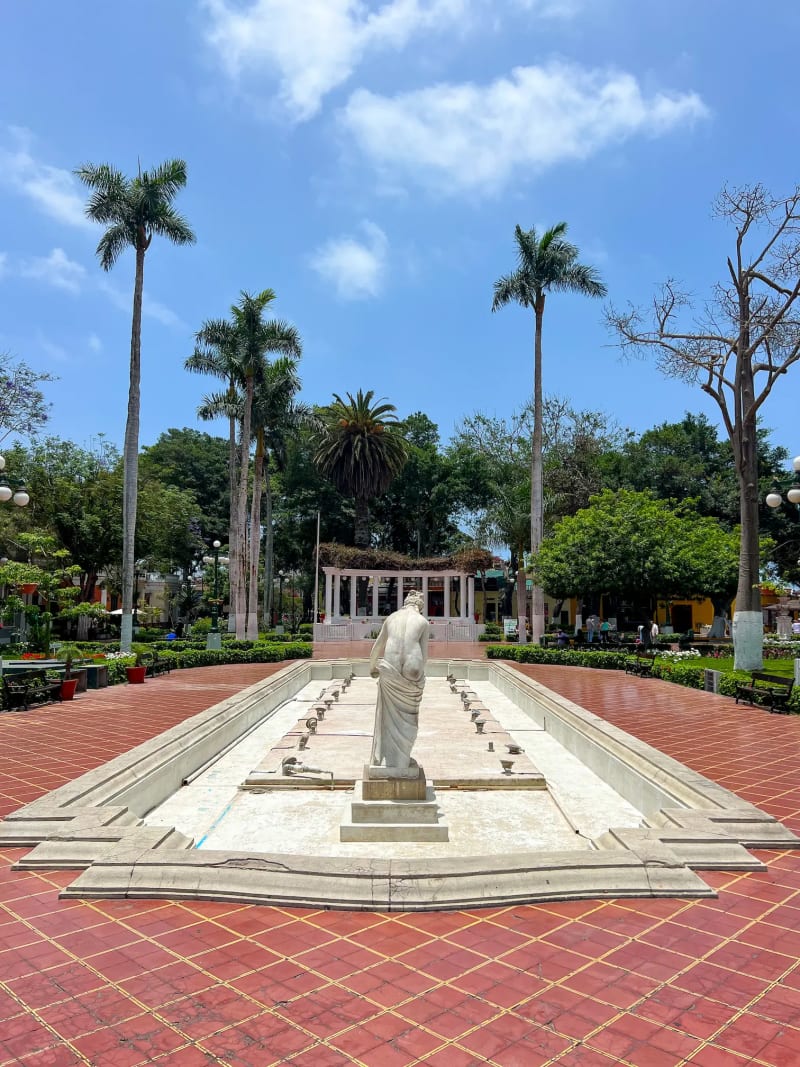
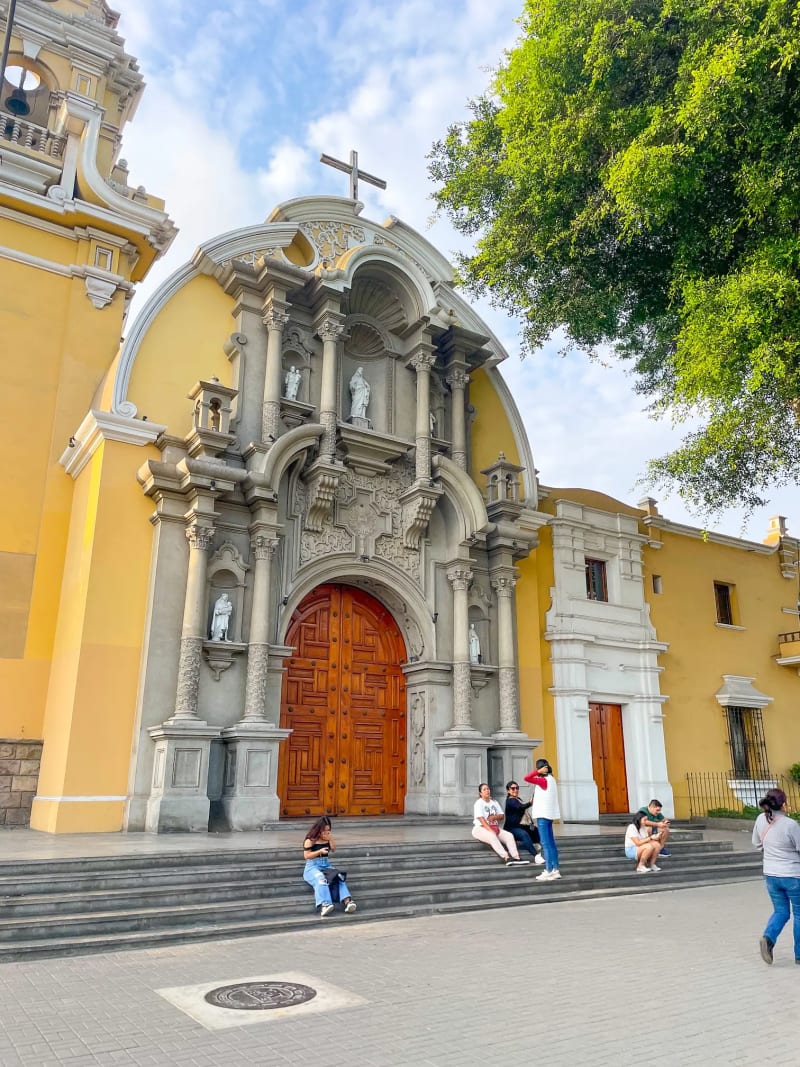
Barranco District
Visit the Beaches
Wandering down to the beaches is a must—none of them are spectacular per say (in my personal opinion), but they're pretty and worth checking out for a couple-hour hang or sunset viewing. From Barranco, you can get there via the Bajada de Baños under the Bridge of Sighs. Playa Los Yuyos is a decent beach with mostly golden sand, making it one of the few sandy beaches in the area. The walk down is gorgeous, there's calm waves, and it's a pretty incredible thing to look back up from the shoreline, seeing a city built right on the cliffs edge like this. The cliffs look carved out with a spoon, like someone was eating the ice cream of earth and got full.
Just south in Chorrillos, Playa Agua Dulce is a longer sandy beach with more space and facilities, making it one of the most popular in the area. It's just around a 15-20 minute walk from Barranco.
There aren't many true soft-sand beaches in central Lima. In Miraflores, most spots with easy access from the Malecón (Playa Waikiki and Playa Los Delfines) are pebble/stone beaches—great for surfing but less comfy for lounging. Playa Waikiki is accessible via Bajada Balta near Larcomar, while Los Delfines (accessed via the stairs at Bajada Los Delfines, just north of Larcomar) is a quieter, cleaner stretch popular with locals.
Centro Histórico Walking Tour
As mentioned in Where to Stay, Centro Histórico has an extremely rich colonial history with a lot of related sites to visit. It served as the capital of the Spanish Viceroyalty of Peru for centuries. You can easily explore the entire district on foot in a single day.
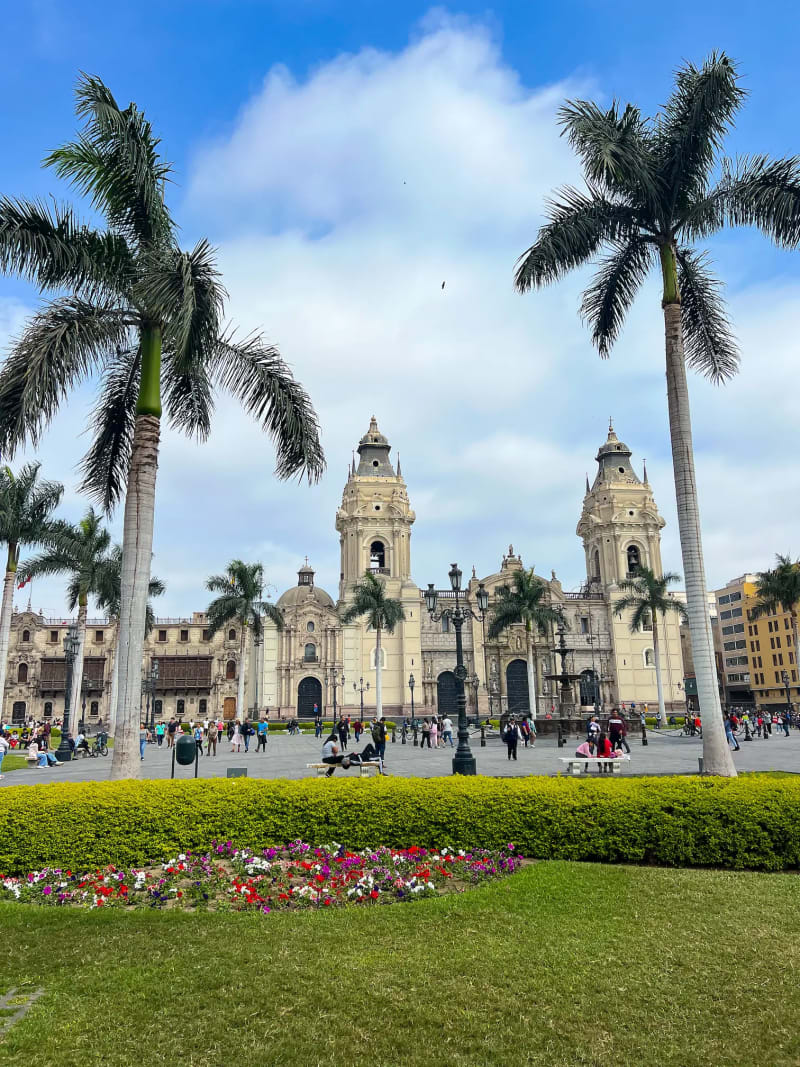
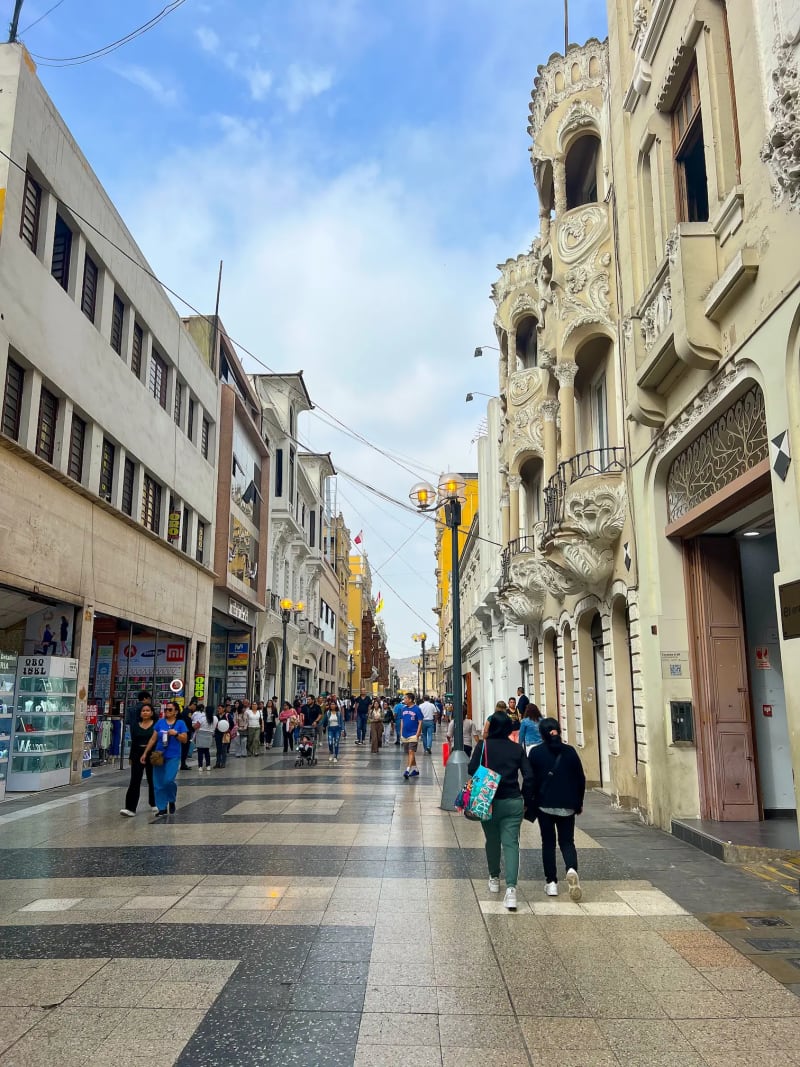
Here are some of the top things to do in Lima's historic heart:
- Parque La Muralla - Riverside park with restored sections of the old city wall (built to protect against pirates and floods), a small museum with artifacts, a mini zoo (goats and peacocks), and distant views across the Rímac River of colorful hillside favelas
- Basilica and Convent of San Francisco - Beautiful Baroque landmark—visit the catacombs beneath the church (once held the remains of up to 25,000 people, arranged in beautiful patterns and designs), the [1]cloisters, and the library
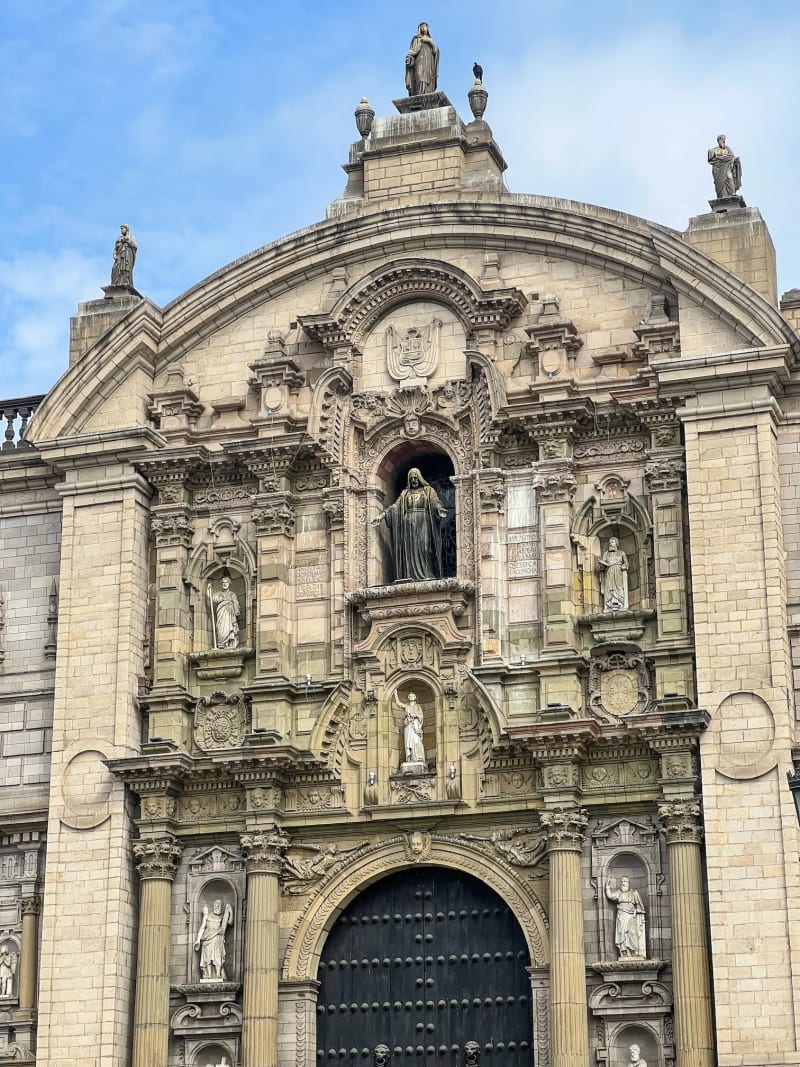
- Lima Main Square (Plaza Mayor de Lima) - Top attraction in the historic center of Lima, featuring the Lima Cathedral, the Government Palace (watch the changing of the guard), and the Archbishop’s Palace with famous wooden balconies
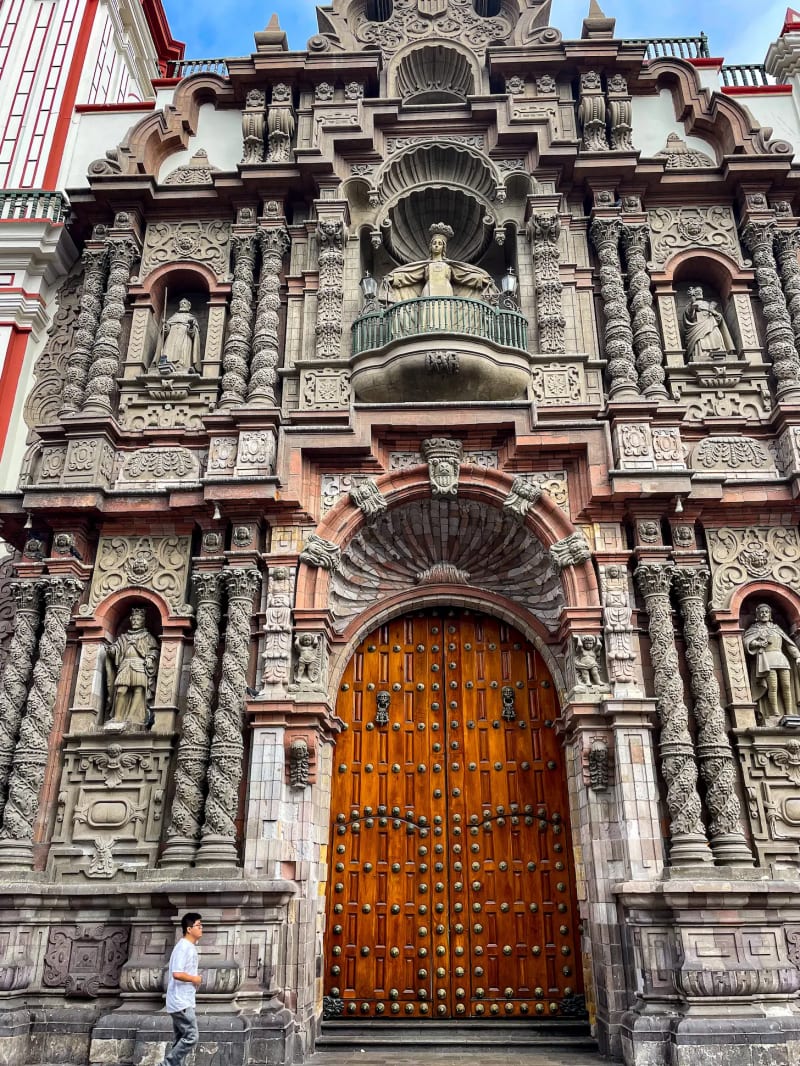
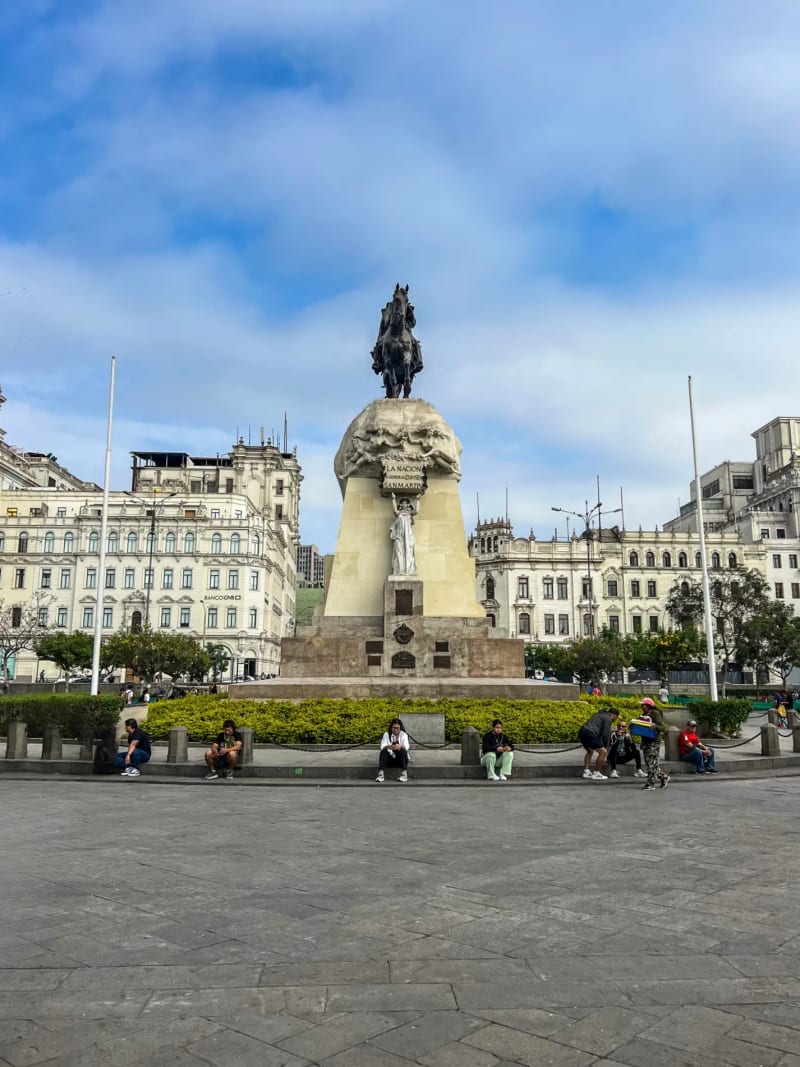
- Jirón de la Unión - Lively stone-and-tile pedestrian street lined with shops, eateries, and historic buildings. It connects the Lima Main Square to Plaza San Martín (another popular square, lots of squares in Centro Histórico). This street is a little gritty but fun, and you stumble past a lot of very cool structures, like the Church of La Merced—if you’re an architecture/design-lover like me, will certainly catch your eye with its baroque facade and intricate design(a true architectural masterpiece, free to enter)
[1]Cloisters: Essentially a square courtyard surrounded on all sides by covered walkways, typically placed in the sunniest possible location and found in the heart of a monestary. It was used for meditation, prayer, reading, study, or just as a quiet and easy passage connecting essential buildings the church, refectory, and chapter house.
Parque de la Exposición & Magic Water Circuit
Along Jirón de la Unión past Plaza San Martín, you'll find Parque de la Exposición. It's a beautiful green space with wide lawns, gardens, paddle boats, and Museo de Arte de Lima (MALI) - one of the best museums in the city with both ancient and modern Peruvian art.
From there it's just a quick 15-minute walk (or 5-minute drive) to Parque de la Reserva and the Magic Water Circuit (Circuito Mágico del Agua). It's the largest water fountain park in the world and actually holds the Guinness World Record!
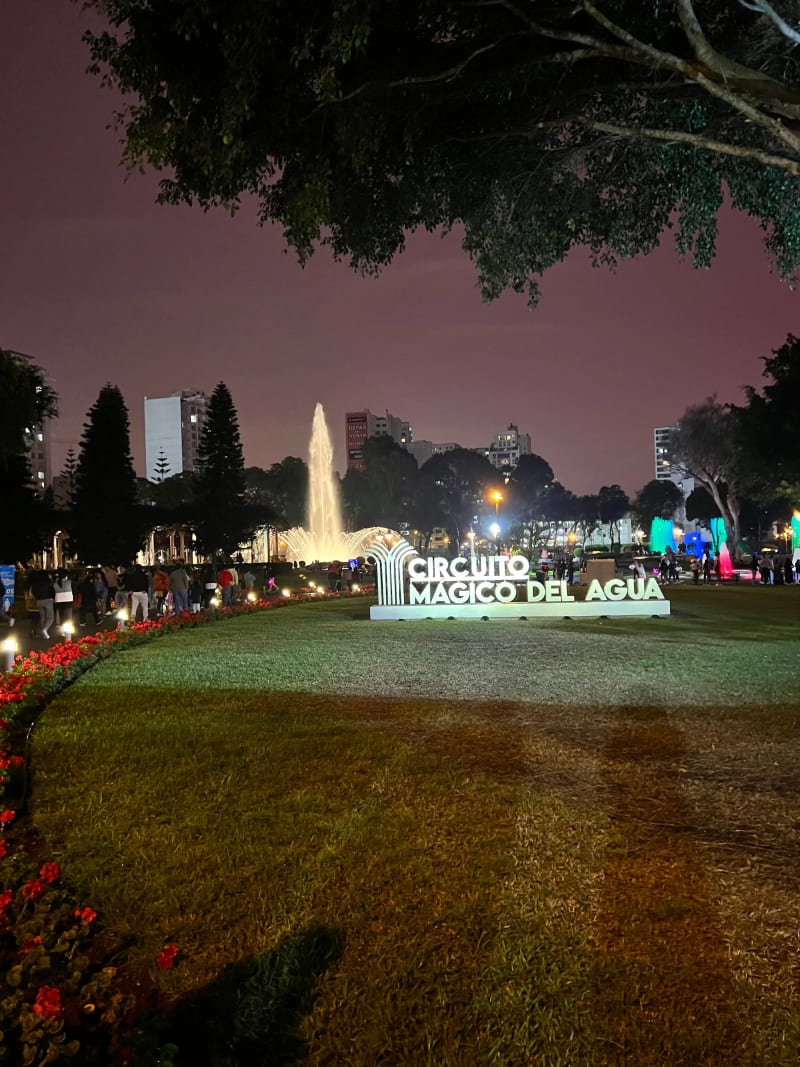

Between the 13 large fountains, the park makes for a fun family-friendly or date-night activity. It's best visited after dark because in the evening at 7:15, 8:15, and 9:10, there are light, water, and music shows at the Fantasy Fountain near the north entrance. Some of the fountains allow you to get wet if you choose: if you have kids—or not, because I definitely did both of these things—they’ll run through the tunnel of water or splash in the interactive jets, so bring a small towel.
Palomino Islands (Islas Palomino)
Just off the coast of Callao (20-45 min drive from Barranco/Miraflores) is the Palomino Islands—a small archipelago famous for its large colony of wild sea lions that you can get in the water and swim with in their natural habitat. They're known for being playful, and the curious little ones often approach swimmers! It's a super memorable experience and really easy to do from Lima.
The only way to do this is by tour, usually a half-day excusrion that lasts 4-5 hours. The boats depart from the Callao port area (La Punta, Marina Club del Callao, or Muelle de Guerra/Plaza Grau), which is about a 20-45 minute drive from places like Barranco and Miraflores. From there it takes around a 1-1.5 hour boat ride to get to the islands—you'll cruise around the archipelago and then hop in the water at Palomino (with a neoprene wetsuit because the waters are freezing all year). Just be sure to respect the wildlife and follow the safety instructions!
Day Trips From Lima
There are so many wonderful day trips from the Peruvian capital city, with the two most popular being Paracas and Huacachina. Honestly, I didn't do either of them—not because they don’t look incredible, but because our main priority was Machu Picchu—so everything below is based on solid research I did for you that I would have done for myself! I'll definitely go back one day and update you here when I do!
How to Get to Paracas or Huacachina from Lima
Before I explain what these destinations are all about, you have to know how to get there: you can either go with a tour group on a day trip (many are offered on GetYourGuide and often combine the two), take a car or private taxi, or take a bus for around $15 USD (there are tickets on BusBud, which is a website I have used and liked). Each method of transportation takes around the same time, at 3-4 hours for Paracas and 4-5 hours for Huacachina.
Paracas
Paracas is a small town about 250km (3-4 hour drive) south of Lima, known for its beaches and rich wildlife. Paracas National Reserve is a protected area that spans through desert, ocean, and islands, home to sea lions, Humboldt penguins, flamingos, and other species.
One of the highlights is a boat tour to Ballestas Islands, where you can see thousands of sea lions up close (plus penguins and seabirds), but unlike the Palomino Islands, you're unable to swim with them here. Along the boat ride to the islands, you'll see the famous prehistoric Candelabra geoglyph etched into the sand dunes—it's over 2,000 years old, and its true meaning is still unknown. Popular theories suggest it's a trident or lightning rod of the god Viracocha. Back in town is the Paracas History Museum, famous for its collection of ‘alien skulls’ (believe what you will... but the truth is out there Scully).
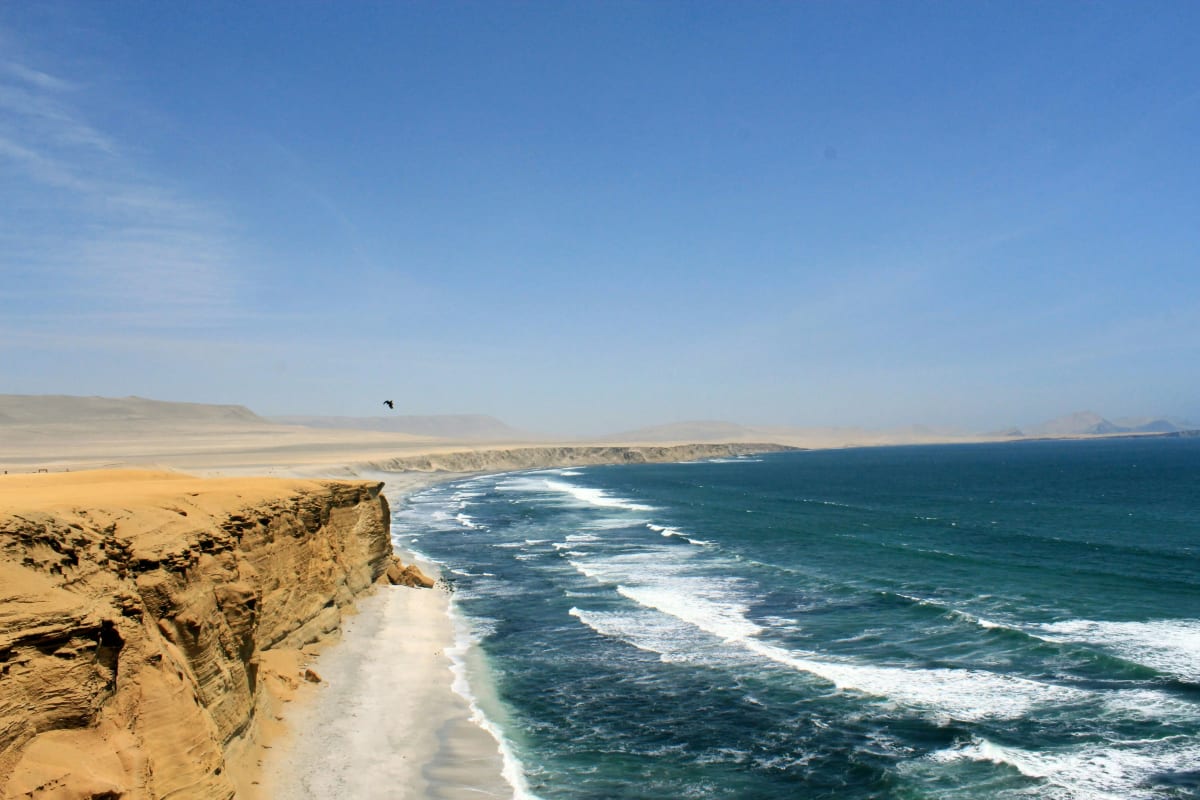
Paracas National Reserve: Photo by Matthijs Idema on Unsplash
Huacachina
Huacachina is a small village in the desert that is built around the green waters of the Huacachina Lagoon and is surrounded by sand dunes. It's just over an hour south of Paracas (totaling around 4.5 hours from Lima).
There is a beautiful legend that surrounds the Huacachina Lagoon and is the reason the lagoon is thought to have therapeutic properties; the story goes that an Incan princess with beautiful green eyes was mourning the death of her lover, crying so much that her tears - the color the same shade of green as her eyes - created the lagoon. While she was crying, she was startled by a warrior and ran into the lagoon to hide, but when she tried to leave, she realized she had been transformed into a mermaid and was destined to stay in the lagoon forever. The name Huacachina actually roughly translates to ‘weeping woman’ or ‘woman who cries’.
Despite being a small conservation area in a desert, there seems to be a lot to do! You can go sand-boarding, ride dune buggies, take a paddleboard or kayak out on the lagoon, party hard over the weekend (apparently lining the lagoon is a large array of lively bars and clubs that usually go all night long), visit the vineyards to take a wine and pisco tour (pisco is Peru’s national drink), and lastly, see their Nazca Lines (geoglyphs similar to the one in Paracas, best viewed by helicopter or climbing to a viewpoint).
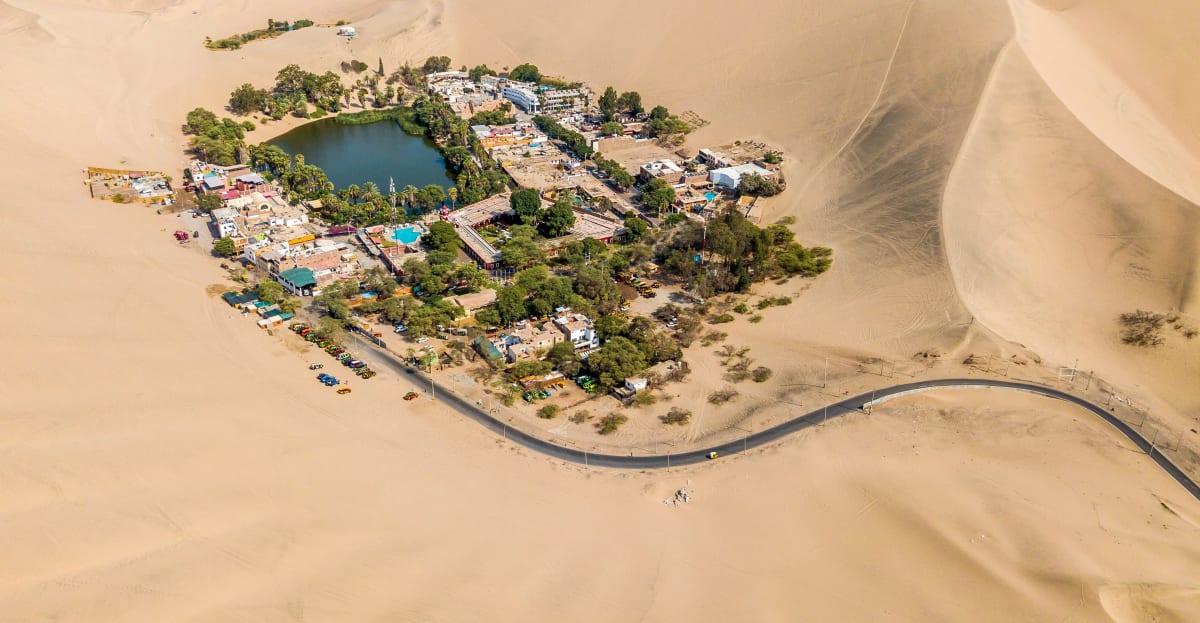
Huacachina: Photo by Willian Justen de Vasconcellos on Unsplash
I hope this post is helpful for your trip to Lima, whether you're just passing through or looking to fully discover Perú's capital city! See lots of historical sights, learn to surf, go paragliding, engage in the culture, and have fun exploring.