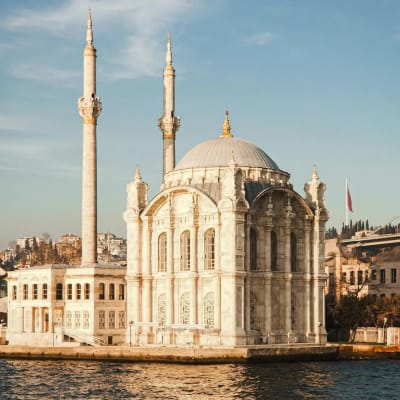
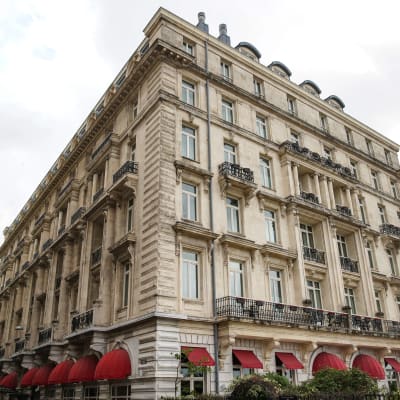
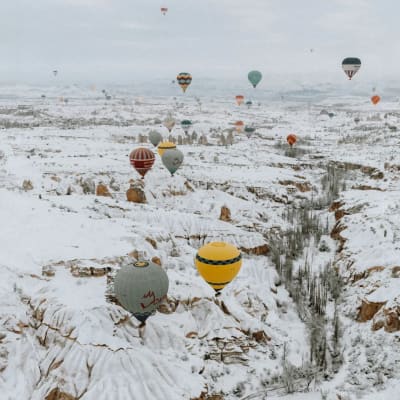
What You'll Find in This Post
Quick Facts About Fatih
- Location: European side of Istanbul, on the Historical Peninsula (the southern side of the Golden Horn inlet)
- Fatih Highlights: Balat’s colored houses, Hagia Sophia, Blue Mosque, Grand Bazaar, Spice Bazaar
- Best Time: Spring (April–June) or autumn (September–November) for pleasant weather and fewer crowds; April for Tulip Festival in Gülhane Park. Summers get hot and busy, while winters are cold with occasional rain or snow
- Büyükçekmece District: Quiet beachside district, ~45 min from Fatih
- Phone Data: Maya Mobile eSIM - always reliable during my travels!
Pro Tips: Use the T1 tram for easy access to sites. Start early to avoid lines at places like Hagia Sophia. Dress modestly for mosque visits (scarf for women, cover shoulders/knees). Bring cash for Bazaar shopping.
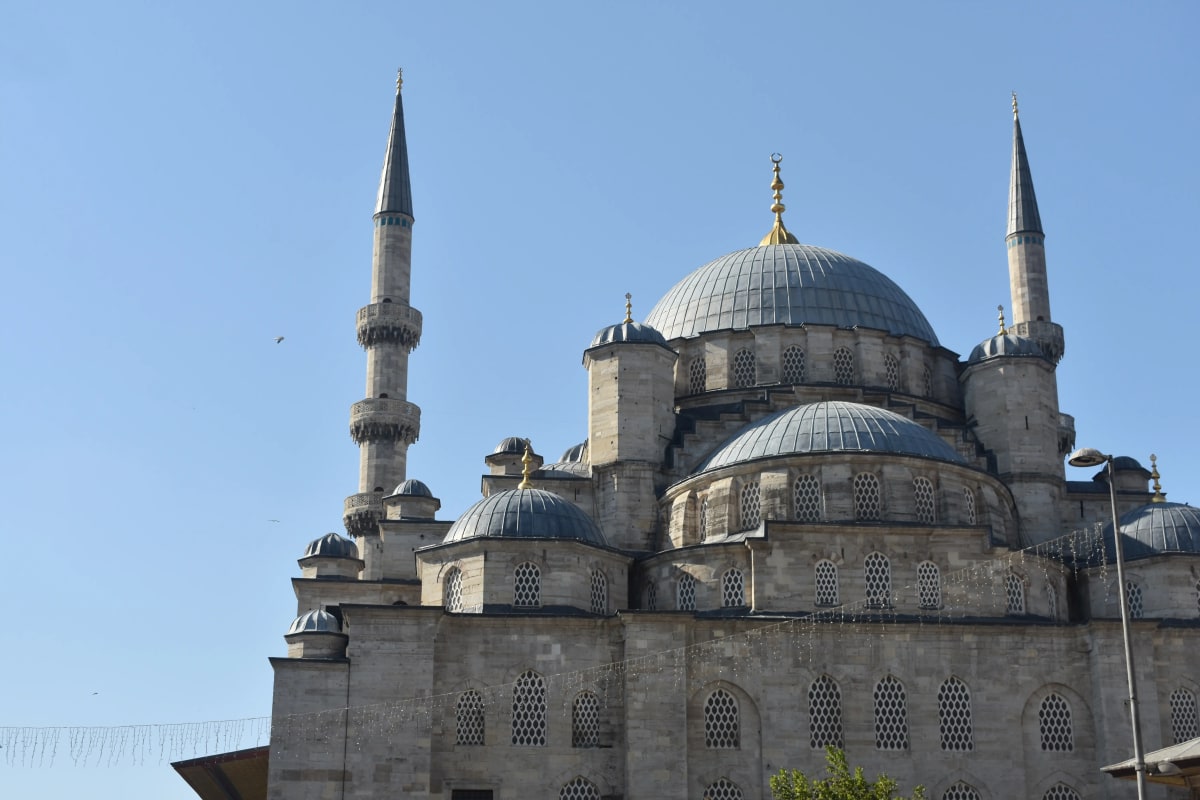
New Mosque (Yeni Cami)
Disclaimer: This post contains affiliate links. If you book or buy through these links, I may earn a small commission at no extra cost to you. Thank you for supporting my blog!
Istanbul: What We'll be Covering
Istanbul, Türkiye is the most charming and timeless city I've encountered, with vibrant communities thriving in a rich culture. All of my Istanbullu experiences have given me so many irreplaceable memories. Istanbul itself is a very large city, often called the 'middle of the world' since it's the only city that's situated on two continents - Europe (on the west of the Bosphorus Strait) and Asia (east of the Bosphorus). There's seemingly endless locations to explore, so your first trip can be overwhelming without a bit of a plan. That's where I come in!
Visit my Istanbul Viator shop to book the best tours & activities in the city! 🌉🕌
We'll be focusing on the European side of Istanbul. The European side has 25 districts that encompass ~600 neighborhoods (called mahalle). So, more specifically, we'll focus on the top things to do in two of the most popular districts. They're the ones that are well-known for embodying the raw essence of Istanbul: Fatih and Beyoğlu.
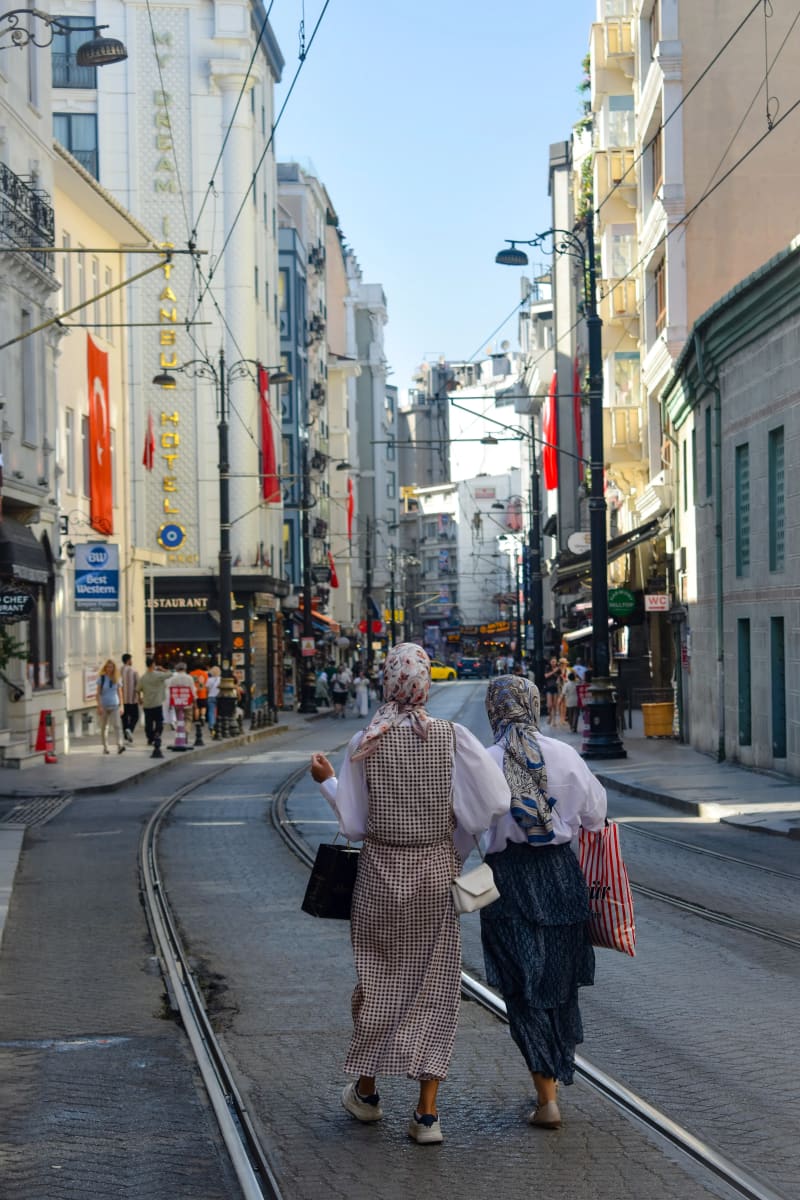
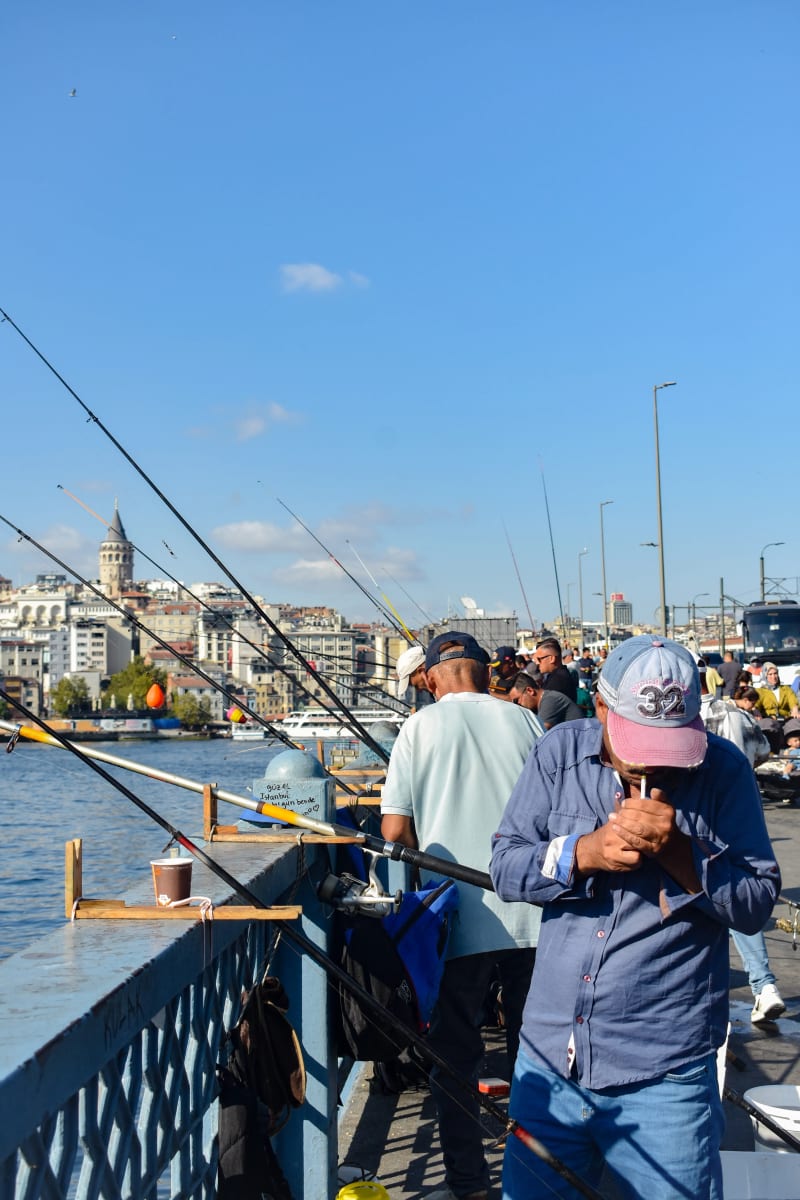
(L) Streets in the Fatih district, (R) Fatih side of the Galata Bridge
Each district has its own unique charm. Fatih feels like the "old soul" of Istanbul with its Byzantine/Ottoman core, while Beyoğlu is the vibrant, cosmopolitan "new heart" with European influences from the 19th century.
This blog post is dedicated to the Fatih district, broken down by neighborhoods within the district and including both iconic sights and hidden gems. There's also a section at the end on the off-the-beaten-path and highly underrated Büyükçekmece district, which makes for an easy day trip from Fatih! After reading, go to part two of my Istanbul series to learn about the Beyoğlu district.
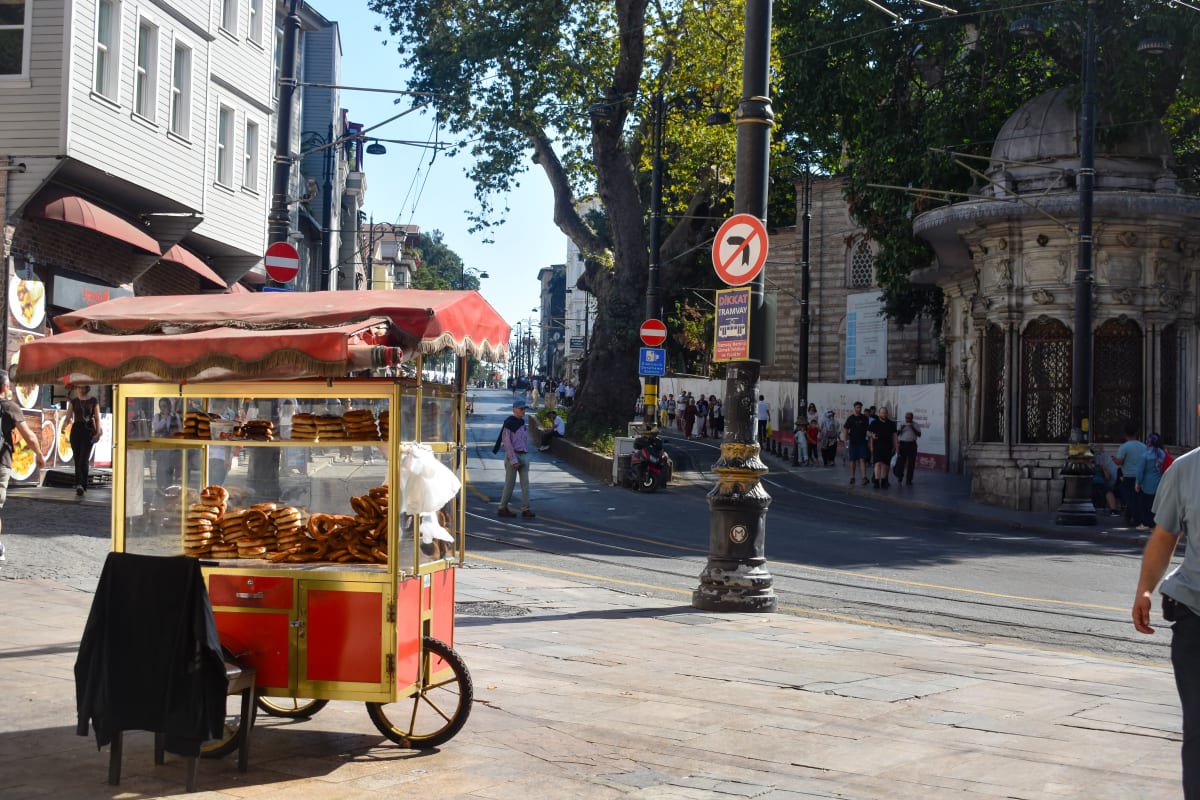
Simit being sold in the neighborhood of Sultanahmet
Fatih District: Neighborhoods
Within the Fatih district, you won’t want to miss the neighborhoods of Balat, Sultanahmet, Eminönü and Beyazıt.
Balat
Highlights: Colored houses, vintage & antique shops, cafes, history
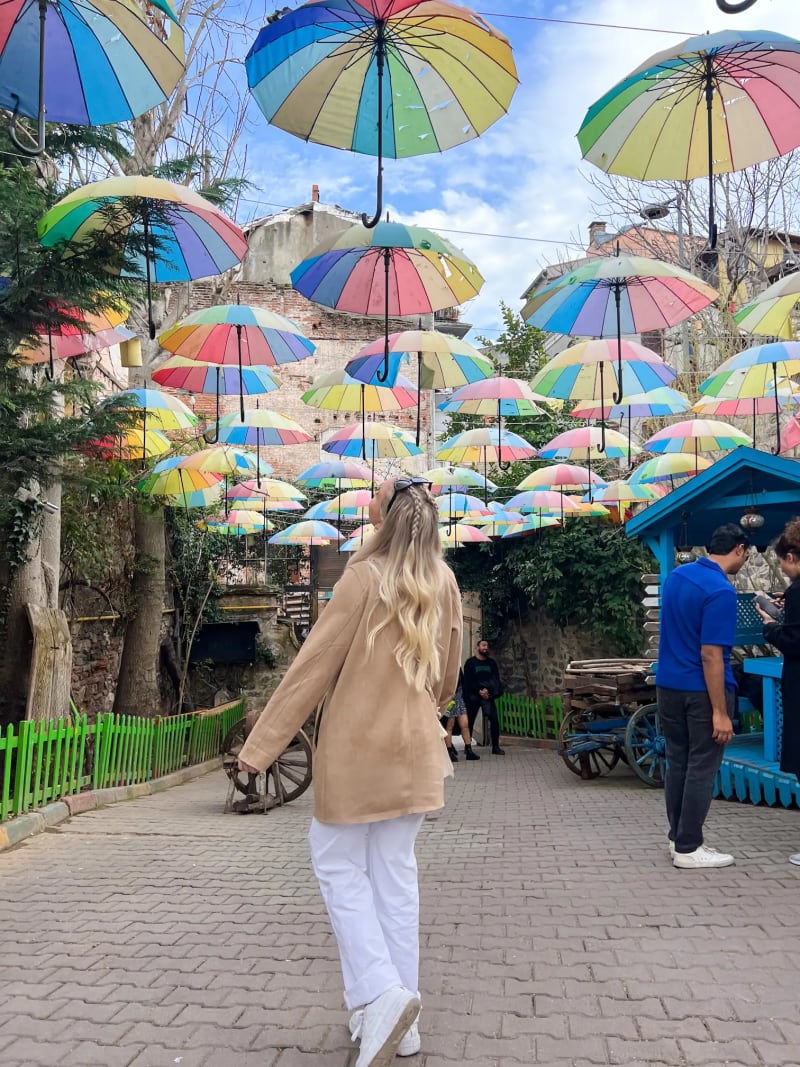
The neighborhood of Balat is the best place for a colorful stroll: spend a few hours here to walk, explore, and visit some trendy cafes. Balat is one of the oldest neighborhoods in Istanbul and was historically the center of the Jewish quarter. Now, there is a cultural mix of Jewish, Muslim, and Christian locals, creating a beautiful combination of Synagogues, Mosques, and Churches. In this neighborhood you'll find sloping streets lined with colorful townhouses and vibrant quirky decorations, like streets fully covered in umbrellas and murals painted by local artists. Balat also has a specialization in quality vintage shops and antique markets. It's one of the best neighborhoods in Istanbul for wandering, uncovering hidden gems and soaking in the area's unique cultural vibe. Once rundown, Balat has undergone restoration projects (partly tied to UNESCO efforts for the Golden Horn area), transforming it from a overlooked spot into a bohemian hub.
Colored Houses of Balat
Spend 2-3 hours exploring Balat. While you wander, be sure to pass by the Balat's colored houses. Located on Kiremit Street, the townhouses are on a steep, cobblestone street, each painted in beautiful pastel colors. Many of the wooden, Ottoman-era homes are 50-200 years old, with bay windows and ornate details. Nearby, be sure to stop by the cafe called İncir Ağacı Kahvesi and walk up the rainbow stairs located just outside on Merdivenli Yokuş. The houses and stairs are incredibly photogenic, but it's far more atmospheric than just "pretty." Don't go just for the photos - really feel the authenticity and history!

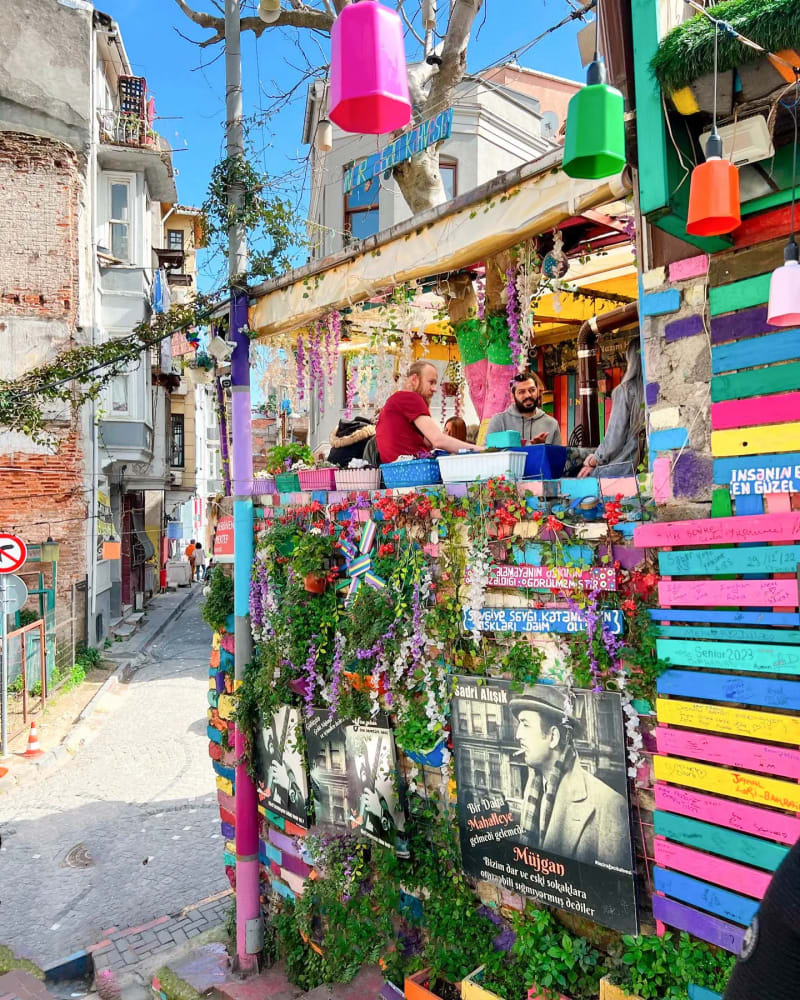
(T) Balat colored houses, (L) Outside Balat Antik Cafe, (R) Incir Agaci Kahvesi
Sultanahmet
Highlights: Blue Mosque, Hagia Sophia, Sultanahmet Square, Gülhane Park, İBB Sarayburnu Park
Sultanahmet is the historic core of Fatih and, more broadly, Istanbul's European side. It acted as the epicenter of the city's Roman, Byzantine, and Ottoman legacies - once the heart of ancient Constantinople itself. Here, the empires' remnants coexist with lush parks and lively squares.
Blue Mosque & Hagia Sophia
Blue Mosque: Open daily 8:30 AM until about 1 hour before dusk (typically around 5:00–7:00 PM depending on the season), closed 5x/day ~30-45 min during daily prayer
Hagia Sophia: Open daily from 9:00 AM to 7:00–7:30 PM (up to 8:30 PM in summer), closed 5x/day ~30-45 min during daily prayer
Blue Mosque: Free but donations are appreciated.
Hagia Sophia: €25/person for foreigners to access the visitor area only (upper galleries and historical sections). Free for children under 8; Turkish citizens and residents enter free for worshipping or at a reduced fee (~500 TRY) for tourist zones
Two of the most popular sights in all of Istanbul lie in Sultanahmet - the Blue Mosque and Hagia Sophia Mosque. Entry lines appear pretty long at first, especially when visiting during high season (June-August), but they move very fast. To enter, you must dress modestly: Women have to cover their arms, legs, and hair inside the mosque, and men must cover their shoulders and knees. If you don’t have a headscarf, you can buy one for ~100 TRY just outside either mosque, or purchase a nicer quality one at a shop in the neighborhood before visiting. Upon entering you have to take off your shoes to walk around, so I recommend having socks on!
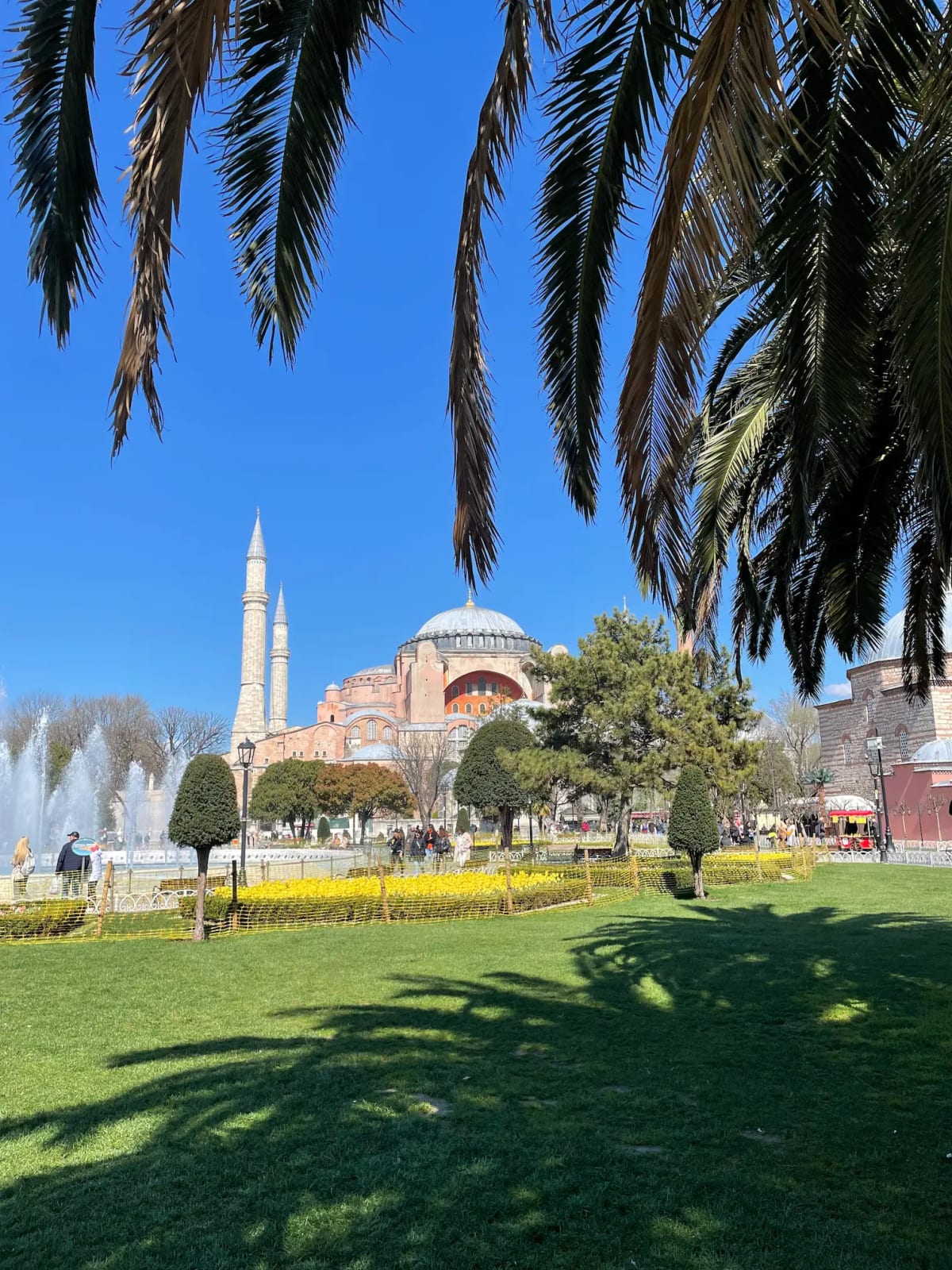
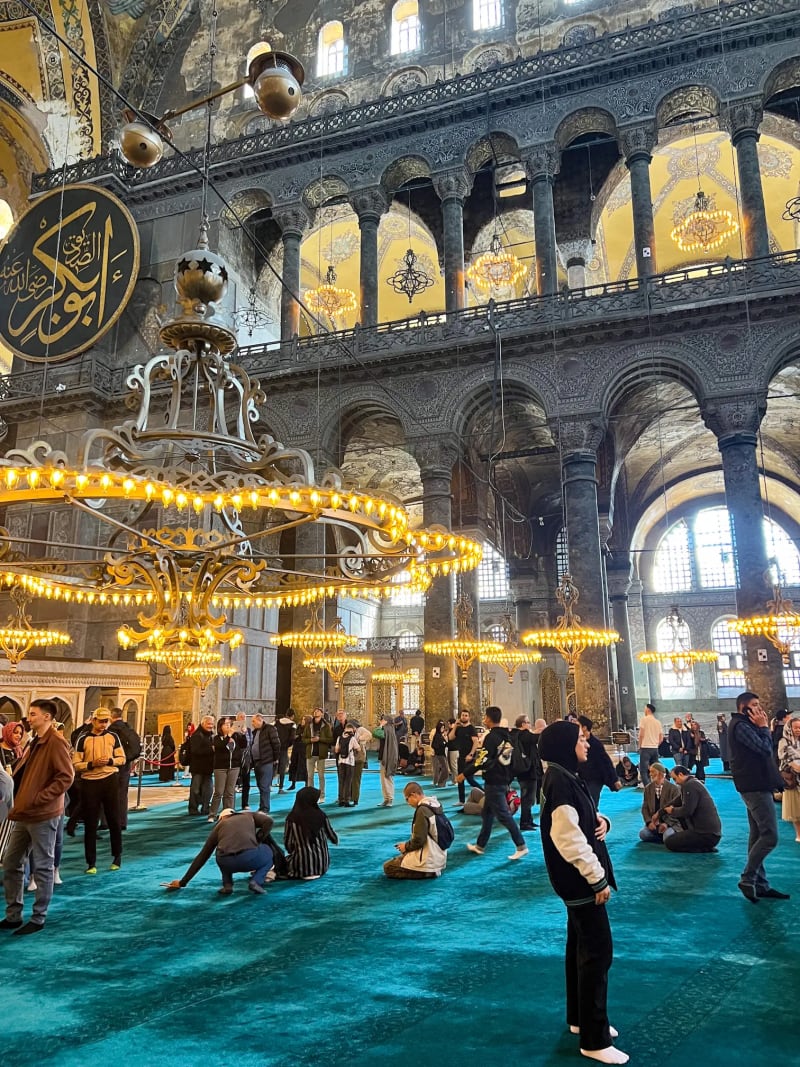
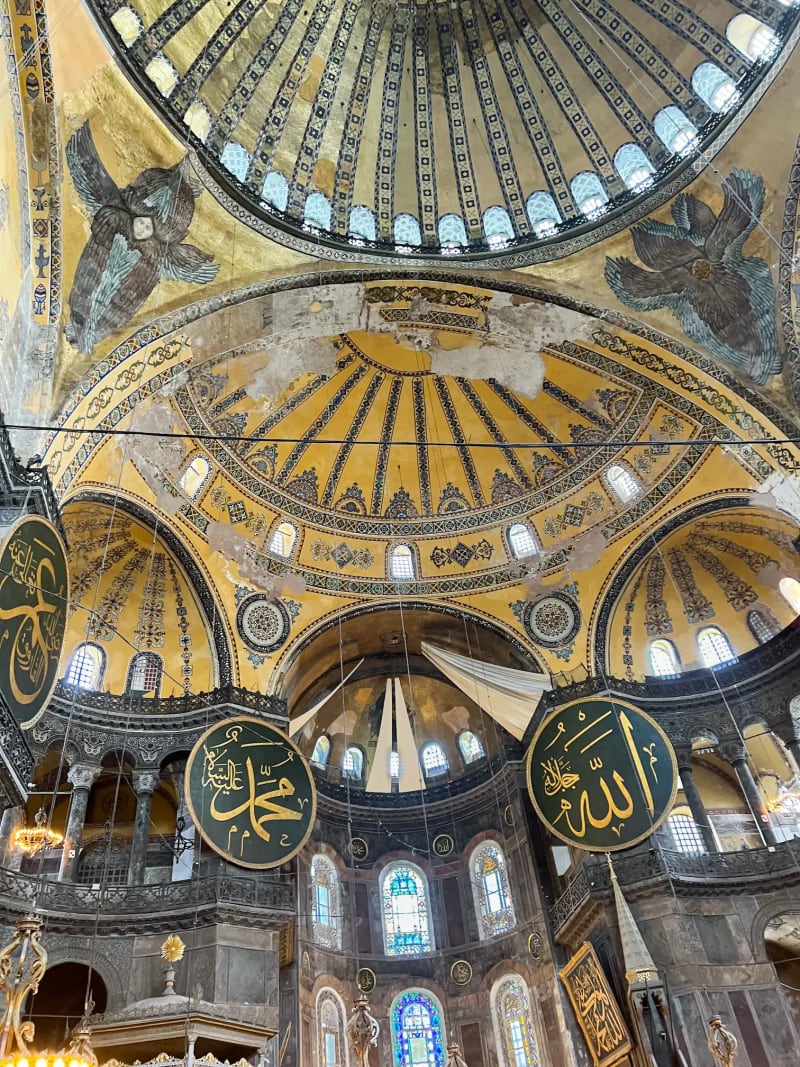
Hagia Sophia Mosque
The two mosques are very different on the inside, so I highly recommend visiting both if you have the time. If not, and you have to choose, visit Hagia Sophia. It was my favorite because of how charming, old, and historical it is, with fading paint and the prettiest ceiling. It was completed in 537 AD making it over 1,480 years old (which is INSANE), while the Blue Mosque is over 400 years old. Hagia Sophia is an ancient architectural marvel that has served as a cathedral, mosque, museum, and is now a mosque again. You can physically and spiritually feel the authenticity the second you step inside.
Don't get me wrong, Hagia Sophia might be my favorite, but the Blue Mosque is breathtaking and historic too, so it shouldn't be forgotten! It's decorated with intricate interior designs—it was actually named for the over 20,000 handmade blue Iznik tiles that make up the walls and ceilings inside. It's a very, very close second.
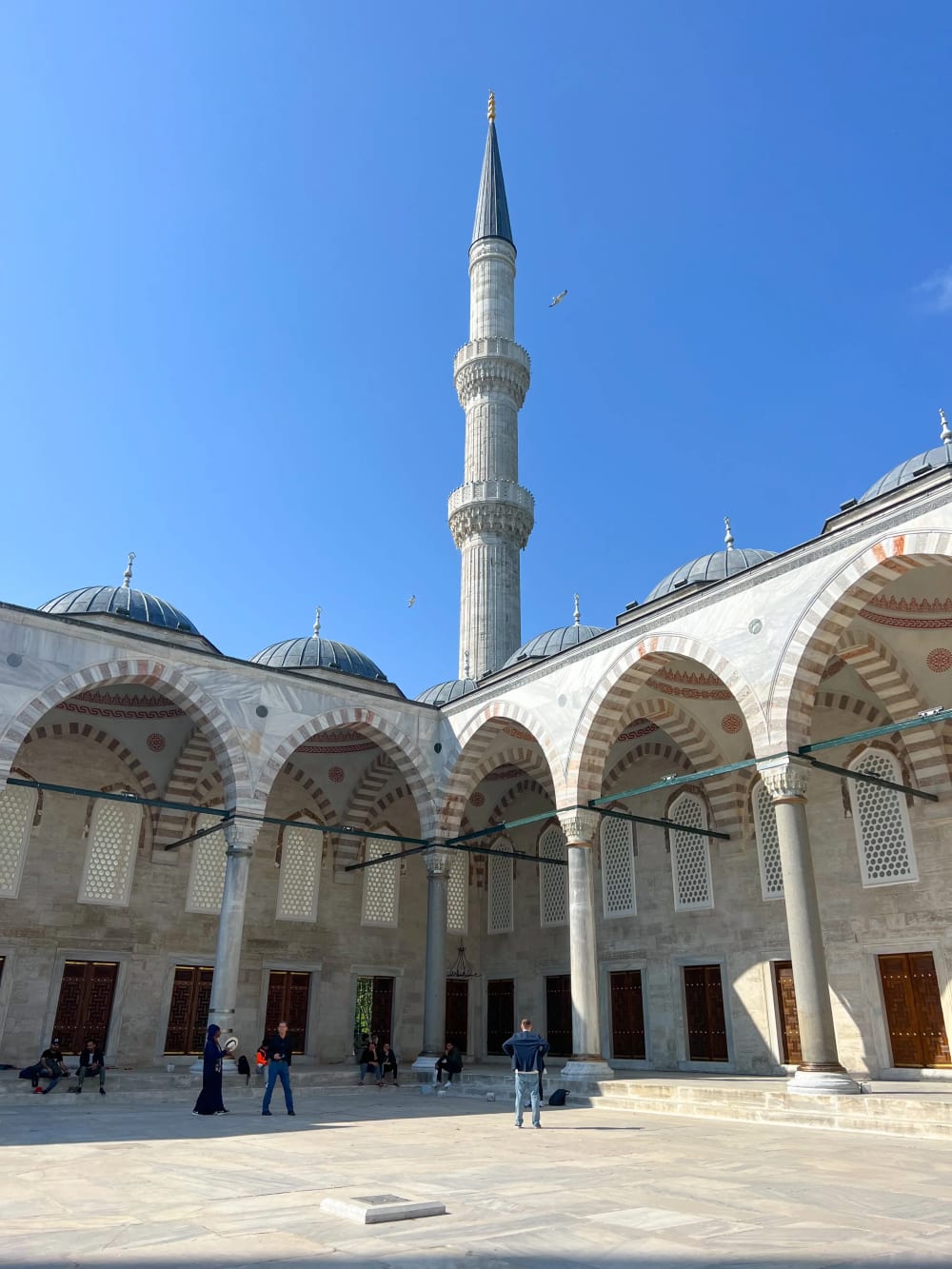
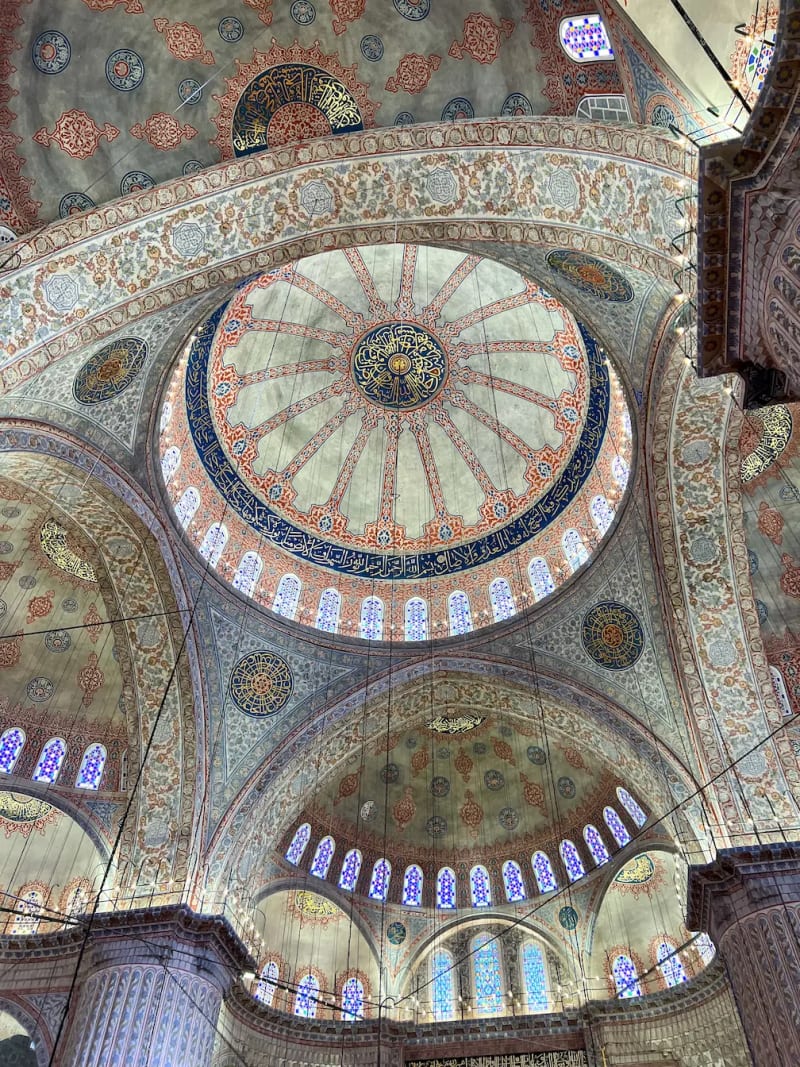
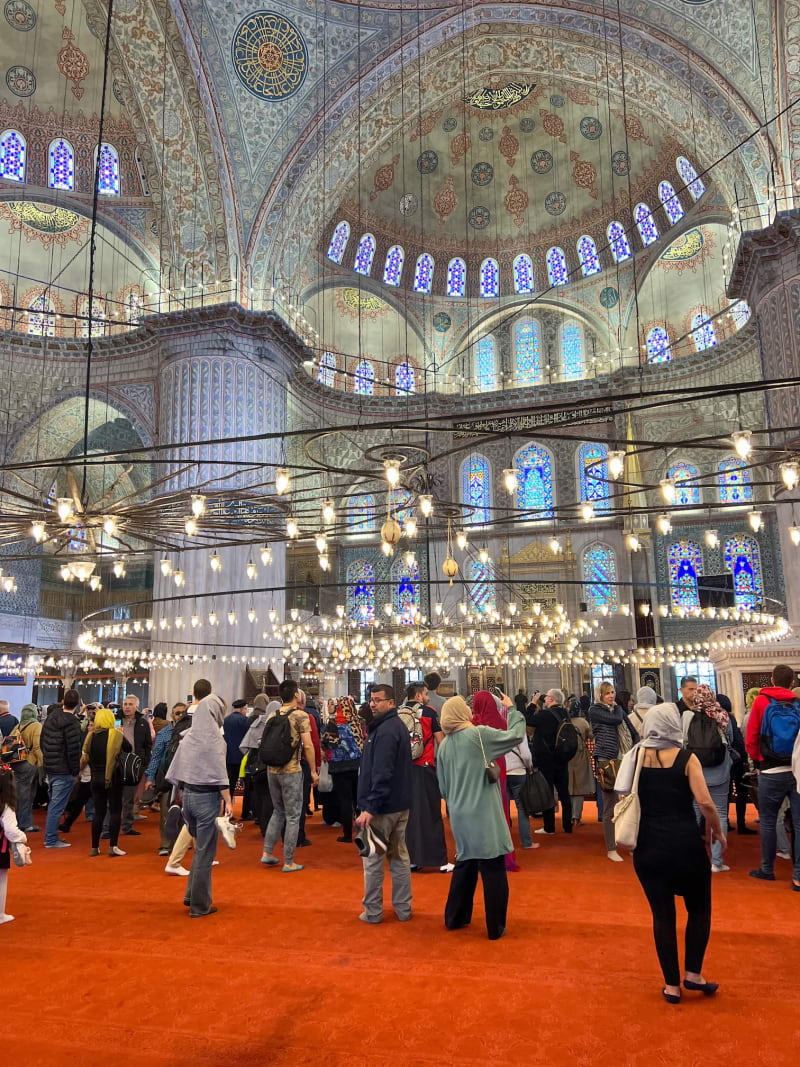
Blue Mosque
Important notes:
- Walking distance between the Blue Mosque and Hagia Sophia is just 5 minutes, so plan 1-2 hours total including lines. For fewer crowds, visit early morning or late afternoon.
- Both mosques are closed to non-worshippers during the five daily prayer times (lasting ~30–45 minutes each, longer on Fridays around noon which can last 1–2 hours). Hours can also vary slightly due to religious events or maintenance. It's best to verify on the official site or app before your visit.
- As of 2024, Hagia Sophia visitor access does not include the main prayer hall, which is reserved for worshippers - you have to use the designated visitor entrance, separate from the worshipper entrance.
When I visited back in 2023, both mosques were free for everyone and you could go into both main prayer halls when daily prayer was not in session, but I fully understand why these changes were made - it's a religious place, after all, and at least tourists are still able to enter and see it!
Sultanahmet Square
Between the mosques is Sultanahmet Square, also called the Hippodrome of Constantinople. It’s a green community area with grasses to lie on, a large water fountain, and common spaces to sit, relax, or have a picnic. Though a popular and busy destination, you can always find a peaceful spot here away from crowds.
The square has a lot of history: It was used during the Roman, Byzantine, and Ottoman periods, but was most well-known for being used during the Byzantine period as the center for social life, once featuring a large public arena (or hippodrome) used mainly for chariot races (the word hippodrome comes from the Greek hippodromos - hippos ‘horse’ + dromos ‘race, course’).
Still standing and brought over by the Byzantine emperor Theodosius from southern Egypt, you can see the Obelisk of Theodosius, which is around 3500 years old and one of only twenty-nine Egyptian obelisks in the world.
Gülhane Park & İBB Sarayburnu Parkı
Another must-do in Sultanahmet is a walk through Gülhane Park, a 16-hectare forested area featuring gardens with thousands of flowers (tulips, roses, and various other flowers), pools, fountains, and statues. If you visit during the spring, you can witness Istanbul’s Tulip Festival where you'll see millions of beautiful tulips. It usually takes place from April 1 to 30 but can vary slightly based on bloom times, so check official Istanbul tourism sites for planning. The flowers for the festival aren’t just planted in Gülhane Park, though - in city parks, squares, and gardens all around the city, you’ll find tulips during this time of year!
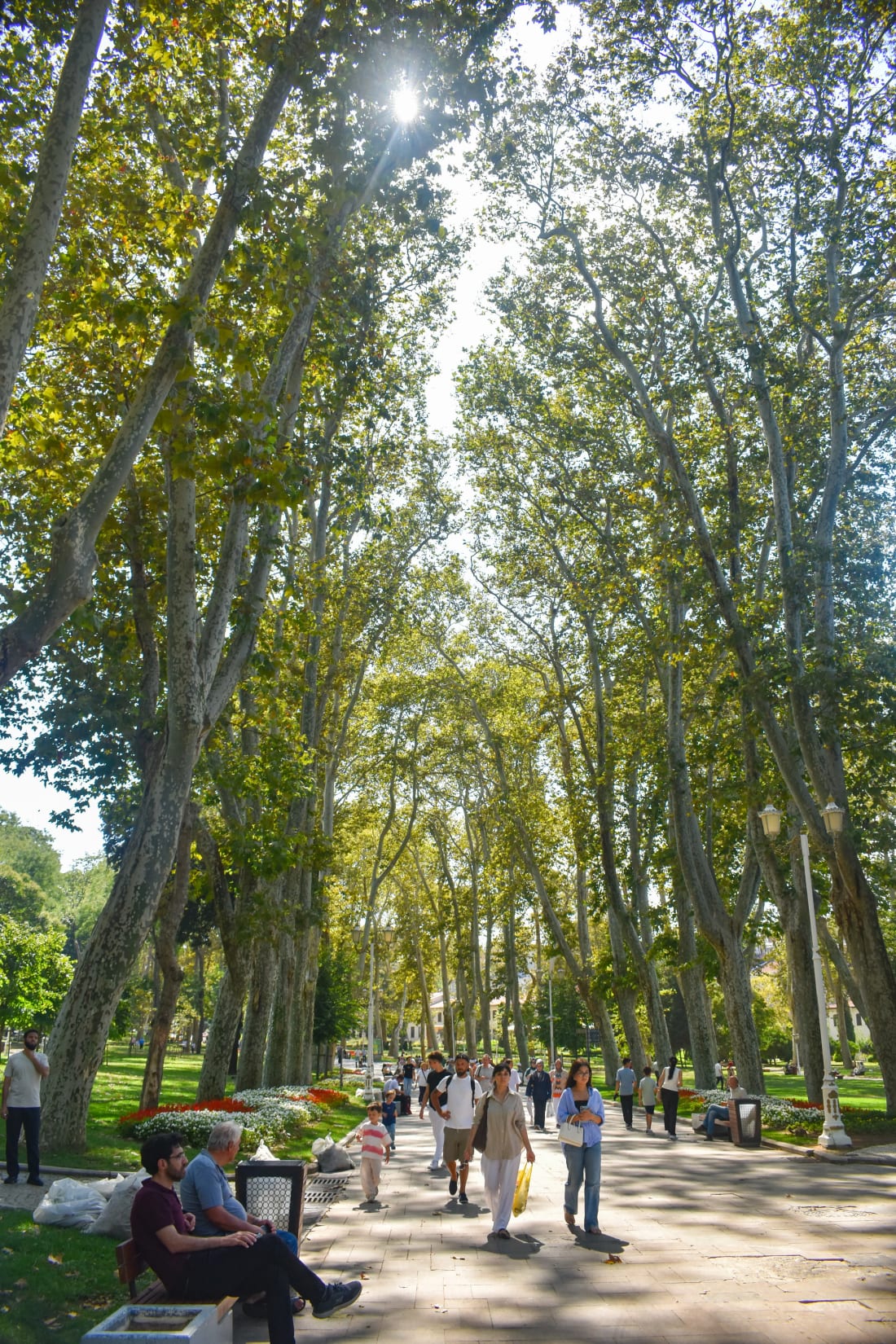
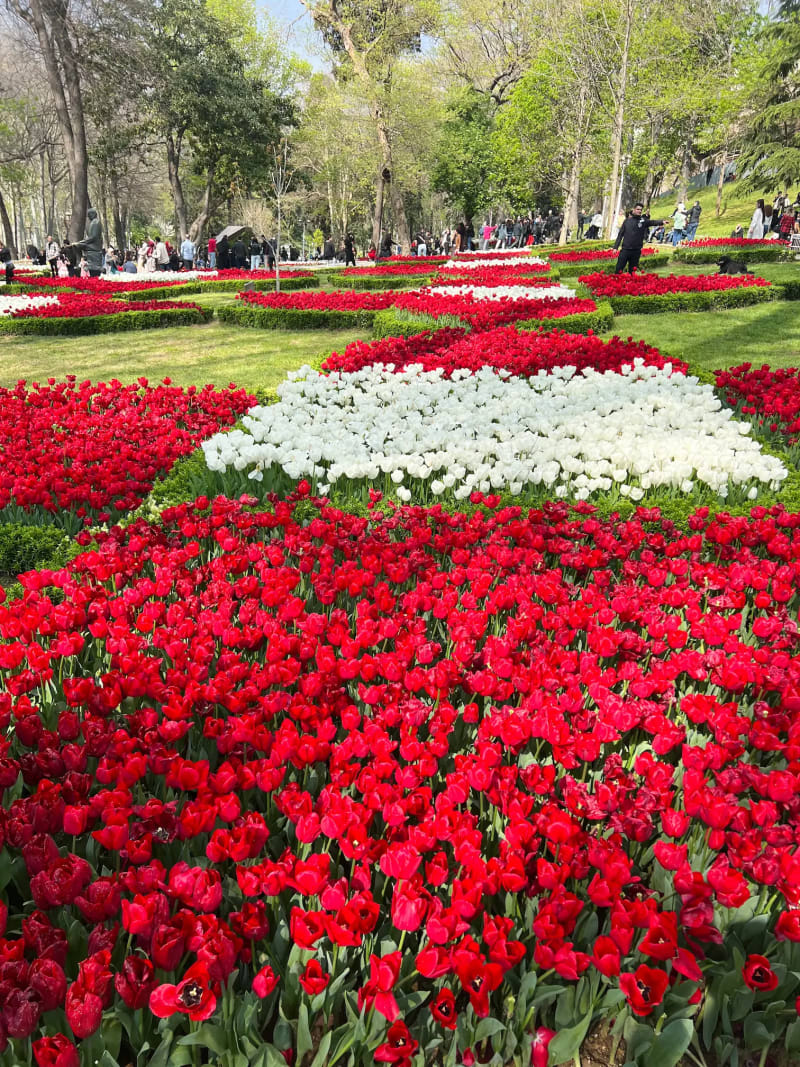
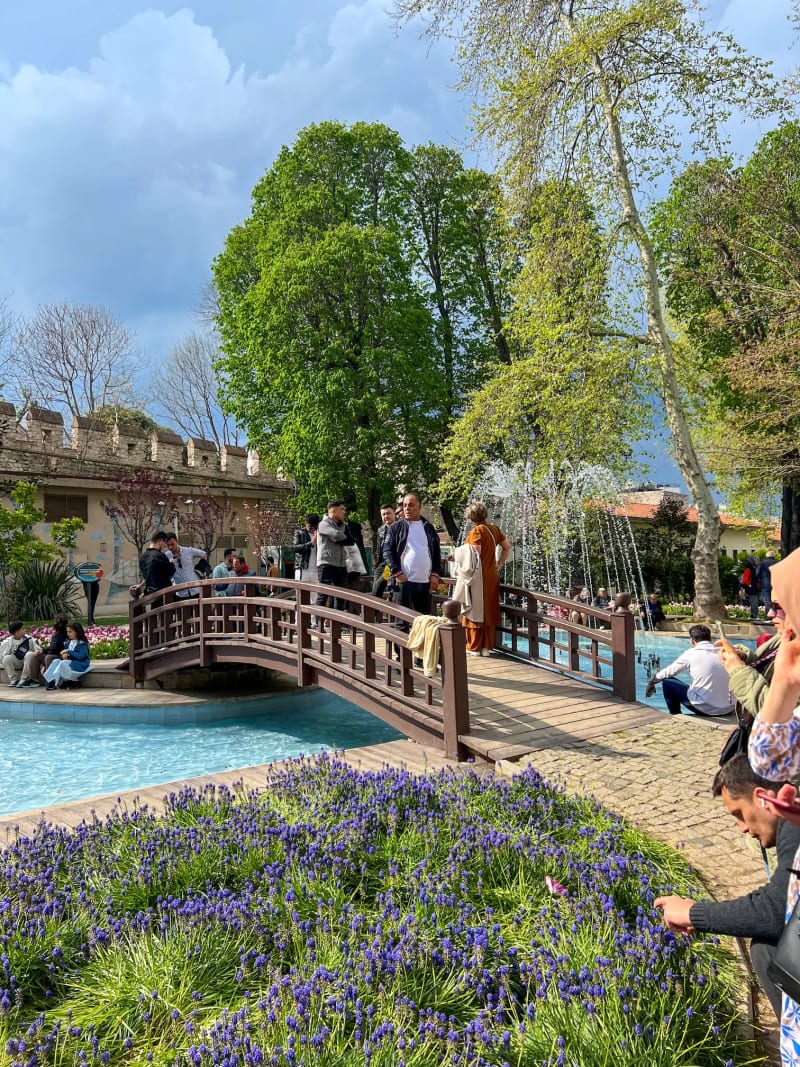
Gülhane Park
From Gülhane, follow the paths towards the coast to get to İBB Sarayburnu Parkı, a waterfront park with a long promenade often used by fishermen. This area has green grassy areas and excellent views of the neighborhood of Karaköy across the Golden Horn inlet and distant vistas up the Bosphorus Strait to the famous Şehitler Bridge (the first Bosphorus Bridge) connecting the European and Asian sides of Istanbul.
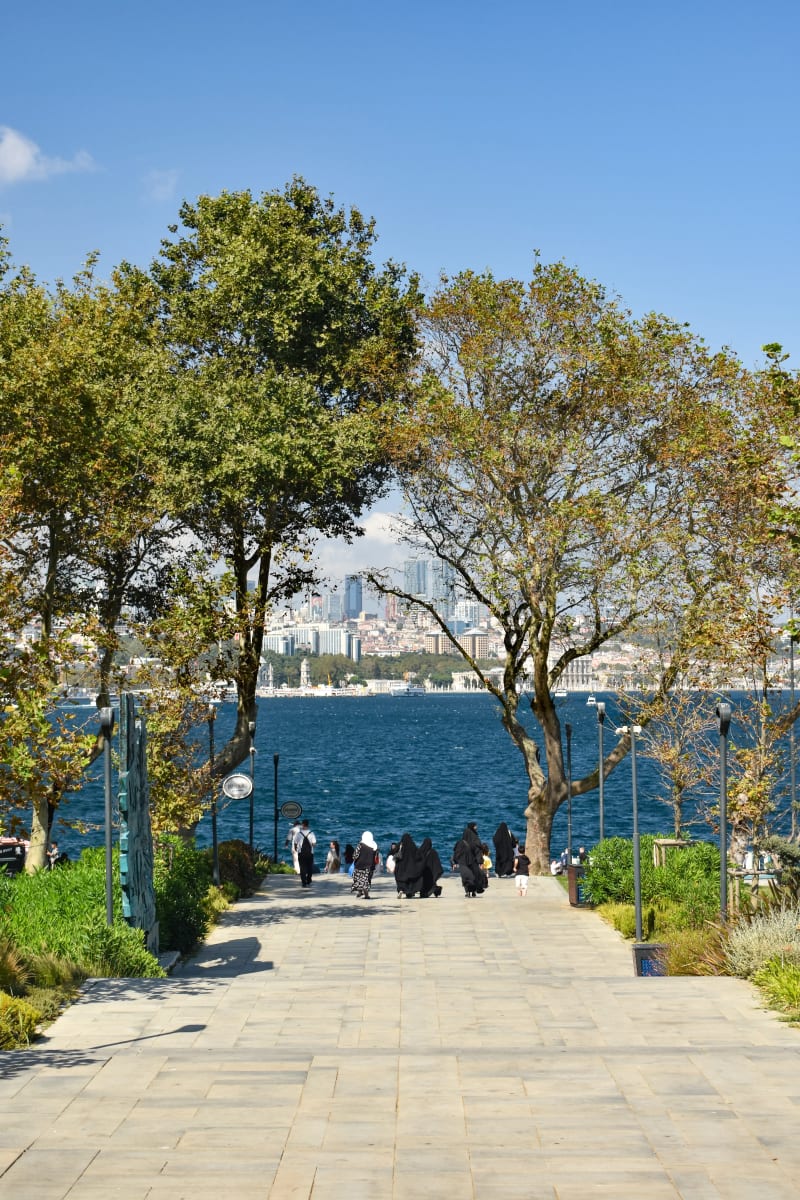
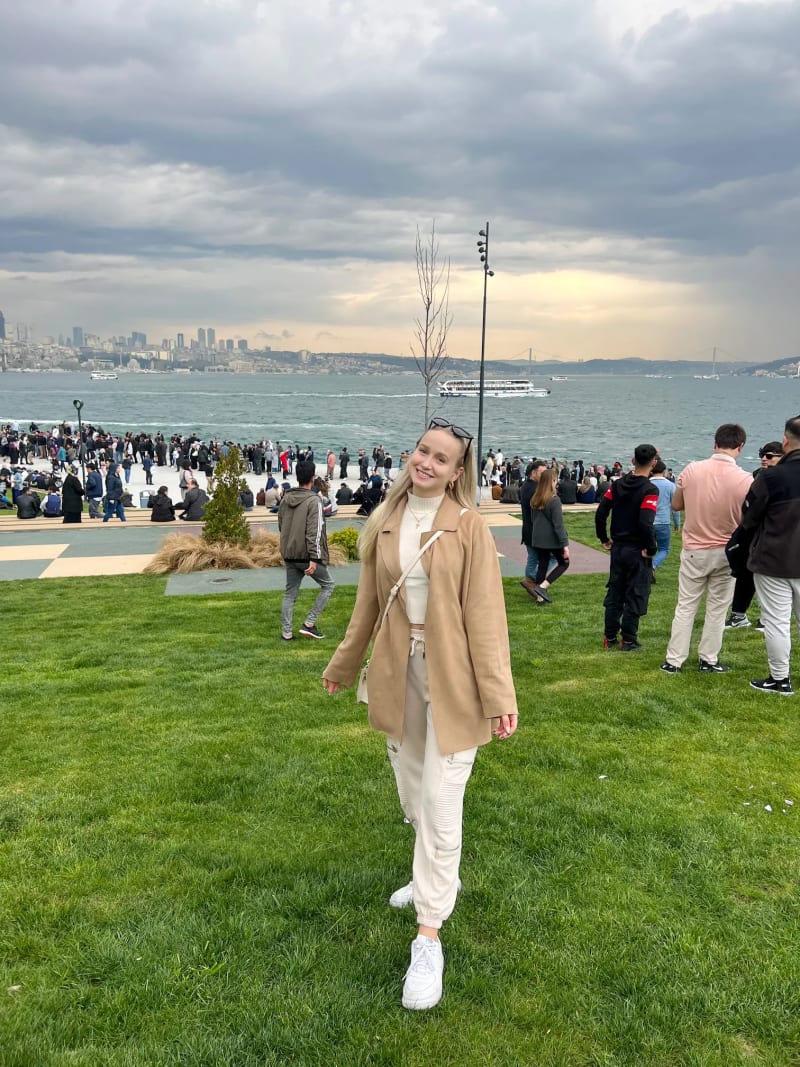
İBB Sarayburnu Parkı
Eminönü
Highlights: Spice Bazaar, Eminönü square
Near Sultanahmet lies the waterfront neighborhood of Eminönü, which has the busiest ferry crossings of the Bosphorus and Marmara Sea — a hub for city lines (Şehir Hatları) with affordable routes (~15-50 TRY/trip) to other neighborhoods, districts, and nearby islands like the Princes' Islands. It's super convenient for getting around without the crazy Istanbul traffic! It is connected to the neighborhood of Karaköy in the Beyoğlu district via the Galata Bridge, and a short, scenic walk or ferry will bring you from one neighborhood to the other.
Eminönü Square and Waterfront
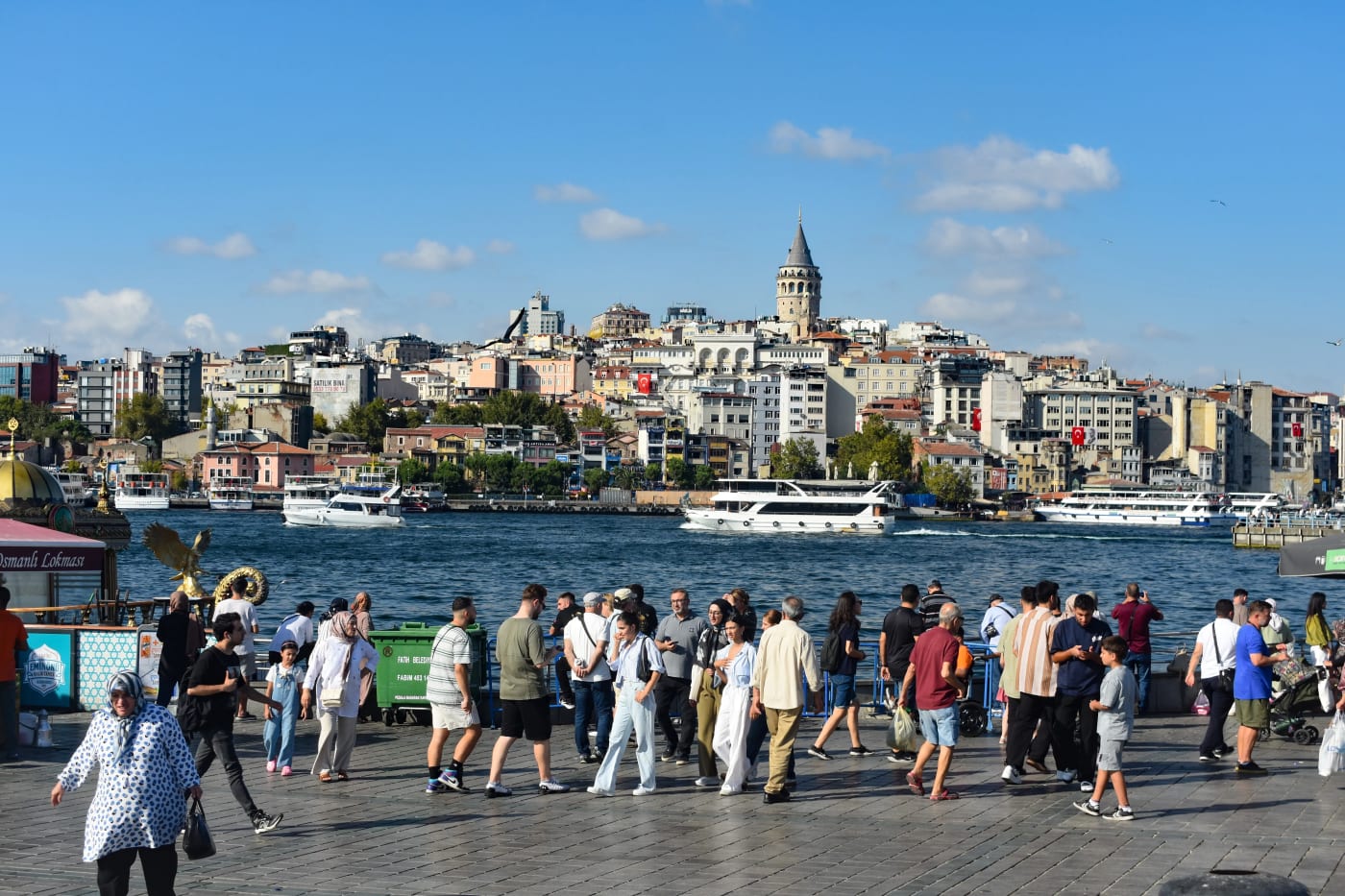
Eminönü waterfront
Eminönü Square (Meydanı) and the waterfront promenade (sahili or kıyı yolu) are located next to the Galata Bridge. This bustling zone includes ferry piers, street food vendors (famous for balık ekmek fish sandwiches from floating boats), a small underground bazaar (Eminönü Yeraltı Çarşısı), and the New Mosque (Yeni Cami).
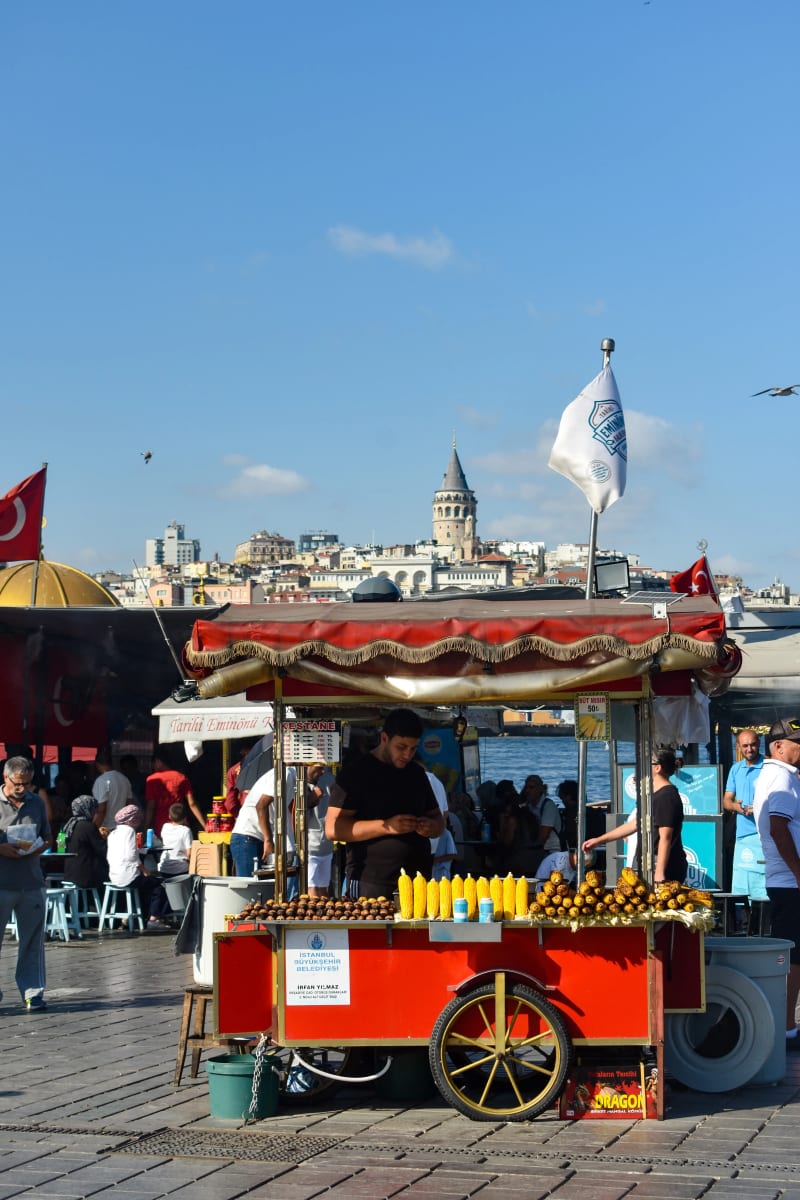
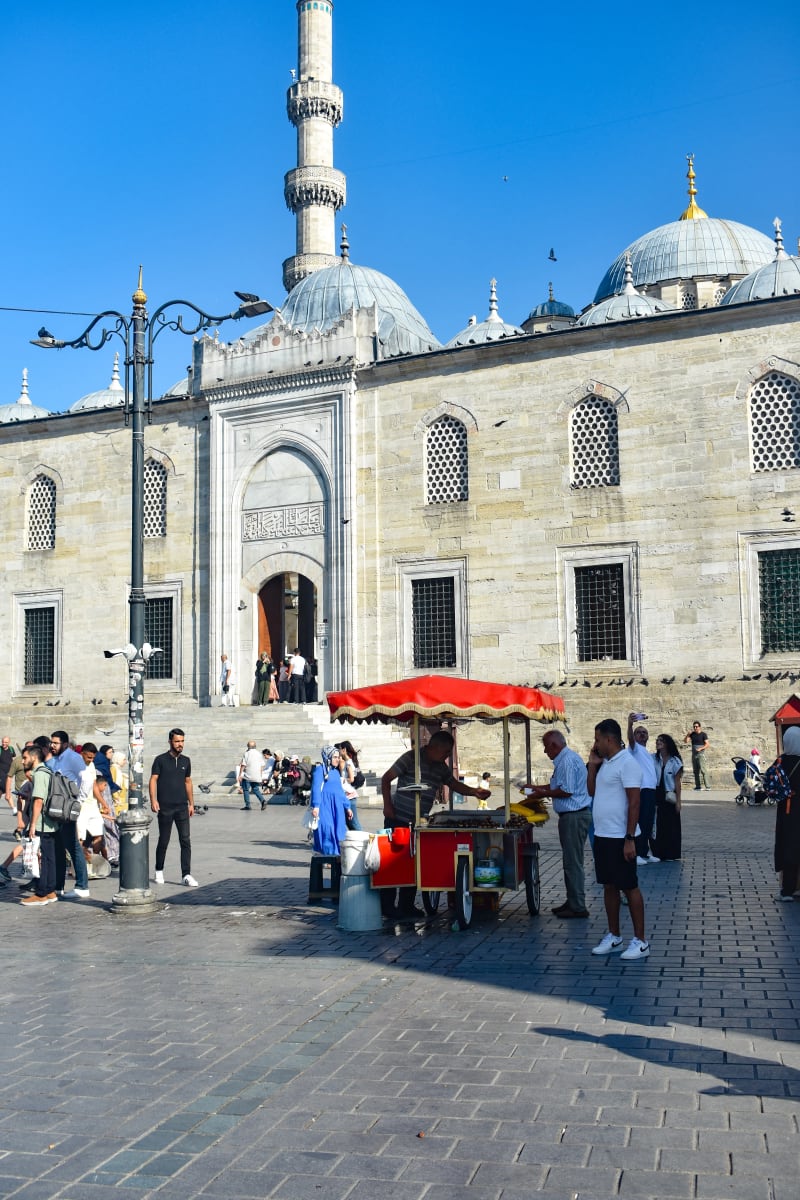
(L) Street vendor selling corn and chestnuts on the Eminönü waterfront, (R) Eminönü square in front of the New Mosque
Spice Bazaar
Hours: Open daily 9-7; closed on religious holidays
The top attraction in Eminönü is shopping at the Spice Bazaar. Not far from Eminönü square, it's the second most famous bazaar in Istanbul, ranked just below the Grand Bazaar. Smaller than the Grand Bazaar, it sells similar items but focuses on — as the name suggests — spices; nearly every variety you could imagine is available there.
Make sure you focus on getting spices that are staples in Turkish cuisine so you have something to take home that will remind you of Türkiye! Some souvenir spices you have to buy include Pul Biber (Turkish chilli flakes), Isot Biber (Urfa pepper), Sumac, and Yenibahar (new spice). Apart from spices, they also sell Turkish teas and delights. Upon showing interest in purchasing or, let's be honest, even remotely looking in their direction, you’ll be offered to taste them. At one point I was juggling 3 little cups of different teas in my hand. We ended up leaving so full of sweets! Keep in mind that if you accept the free samples it'll lead to high-pressure sales - I only say yes if I'm already planning on buying.
Beyazıt
Highlights: Grand Bazaar
Grand Bazaar
Hours: Open Mon-Sat 9-7; closed on religious holidays
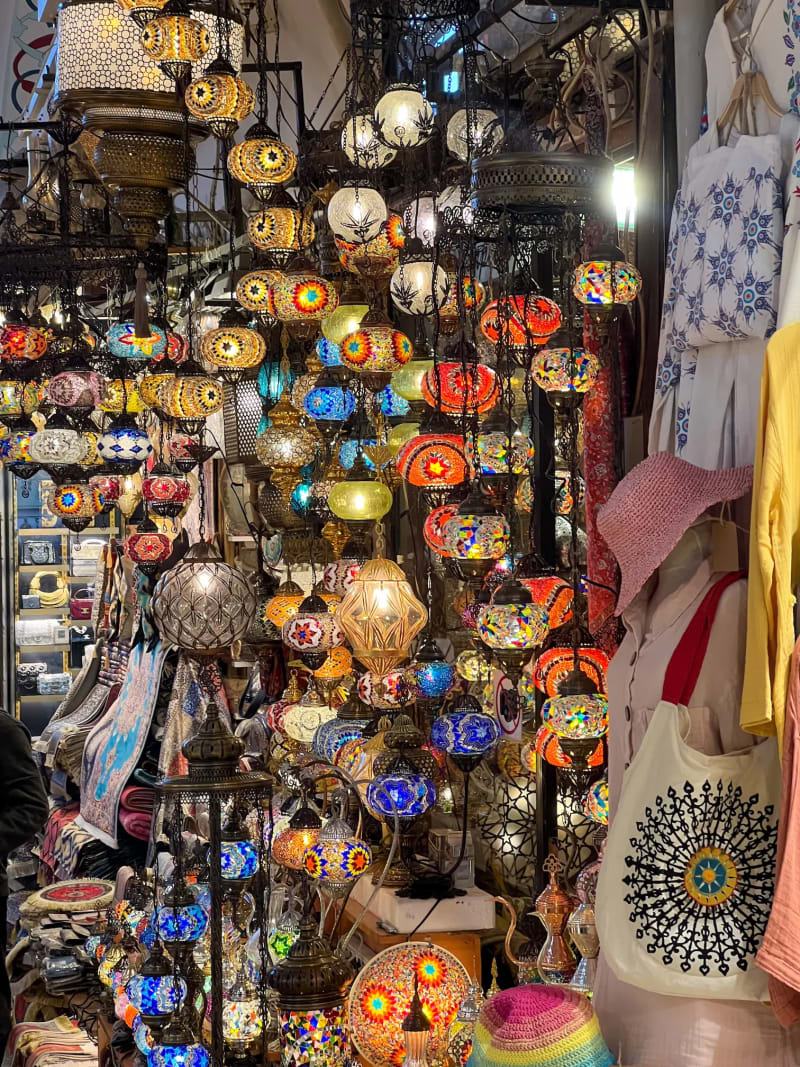
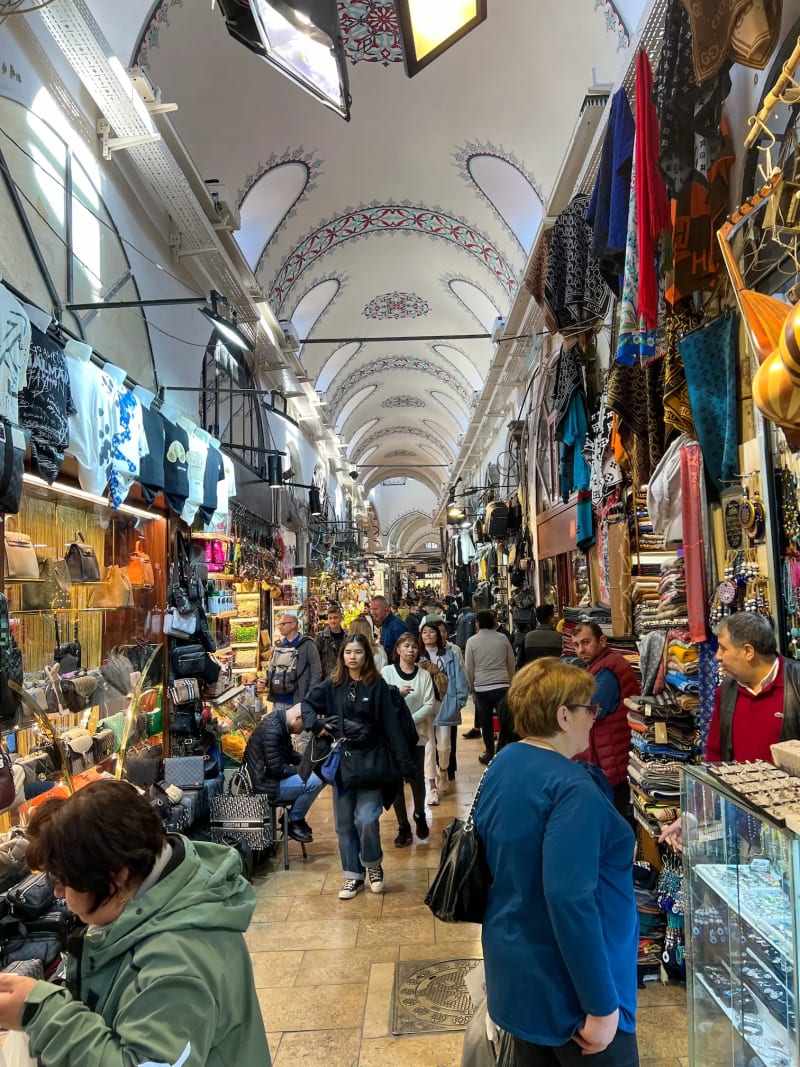
Roughly between Sultanahmet and Eminönü is Beyazıt, where the Grand Bazaar is located. It's one of the oldest and largest covered markets in the world, dating back to the 15th century and housing ~3,000–4,000 shops in a winding abyrinth. It covers over 60 streets, so prepare for a lot of walking here! You should spend at least an hour in the Grand Bazaar, especially if you're taking the shopping seriously. The vendors sell nearly everything you could want from such a place, but specialize in antiques, traditional Turkish rugs & lamps, Turkish delight, gold & silver jewelry, and faux designer items (e.g. clothes, purses, perfume, etc.).
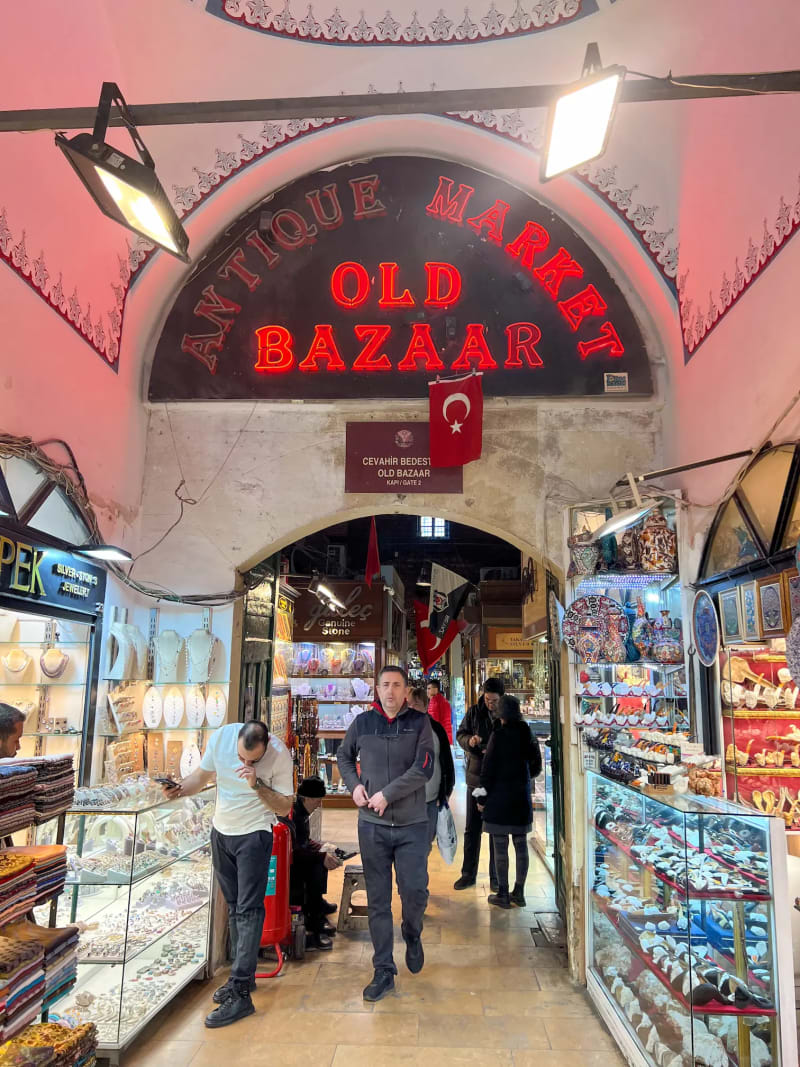
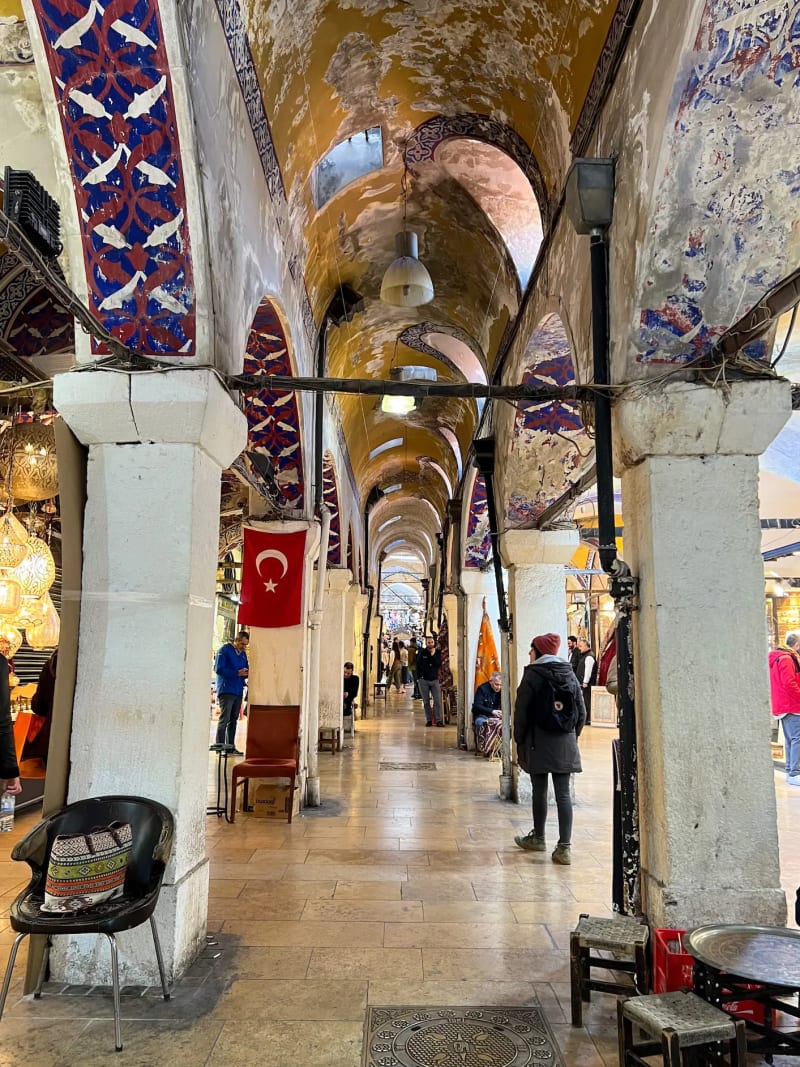
It's timeless, chaotic, and beautiful, and once you enter you’ll feel like you’re stepping back in time. My advice would be that if you see something you like, buy it right away. If you think you’ll come back to get it after looking around more first, you’ll likely not be able to find it again because the Bazaar is truly a maze. Also, haggle! Prices are usually deliberately higher with the expectation of haggling. I suggest combining Beyazıt with Eminönü for a shopping day!
Grand Bazaar Tips:
- For the famous Instagram photo: If you want a pic in or of one of the shops that sells beautiful Turkish lamps, you have to buy something or pay a fee that will be usually posted outside their shop. Vendors need to make a living too, so they can't let everyone pop in just for pics—it could deter actual buyers from entering.
- How to haggle: Start by offering about half the asking price and negotiate politely — be friendly, as it's part of the fun cultural experience! If the price doesn't budge, walk away; they'll probably call you back.
- Navigate the maze: Download a Grand Bazaar map. If you're shopping for specifics (e.g., rugs), enter at the gate nearest the section you're looking for!
- Payments: Bring cash (Turkish Lira preferred over cards, as fees can add up). Some ATMs are inside if needed, but watch for high fees. Always check for authenticity certificates on big buys like jewelry or antiques.
- What to splurge on: Focus on unique Turkish items like handmade ceramics, rugs, or silver. Taste samples of delights before buying to ensure quality!
Day Trip From Fatih: Büyükçekmece District
Highlights: Waterfront promenade, beach, dining
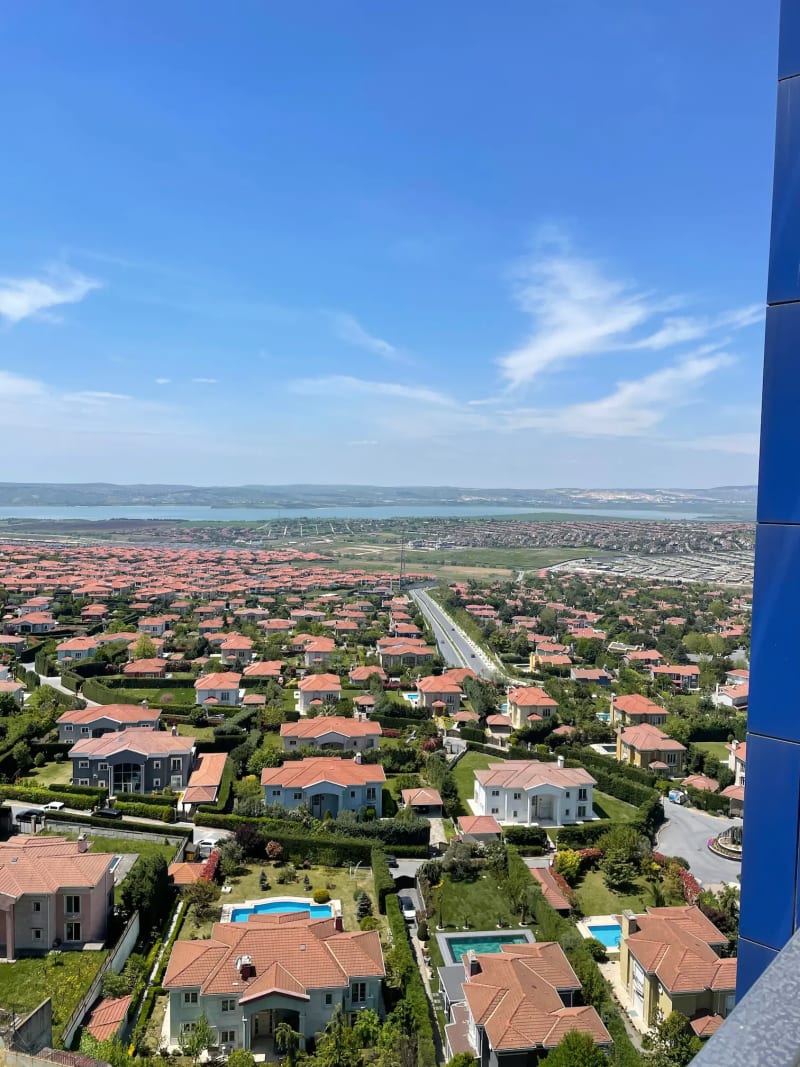
Büyükçekmece is a quiet, hidden district amidst the bustling city of Istanbul. Our second month in Istanbul was spent here, where we enjoyed countless days swimming in the Sea of Marmara and eating at the best local restaurants in the entire city. At ~30-60 min drive (depending on traffic) or 45 min-1 hr metro ride (M7 line) from busier Fatih or Beyoğlu, it's a secret from most tourists and is an easy day trip if you're looking for a sleepy beachside escape.
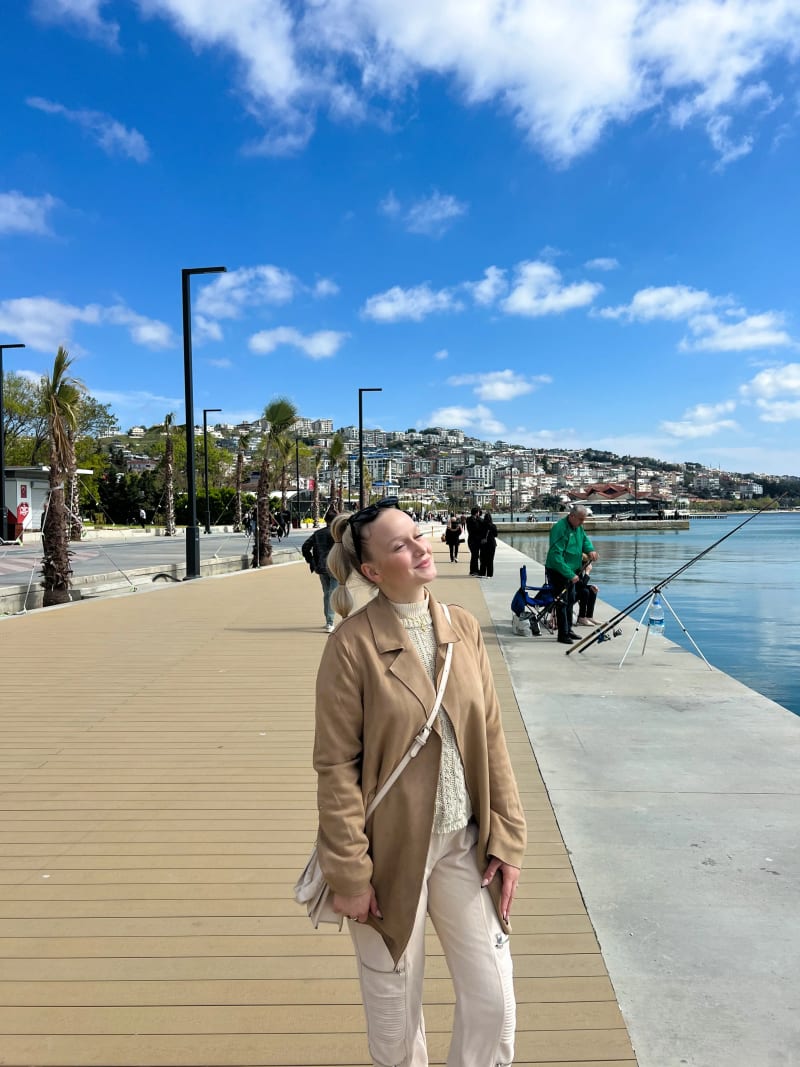
Waterfront Promenade & Büyükçekmece Beach (Plajı)
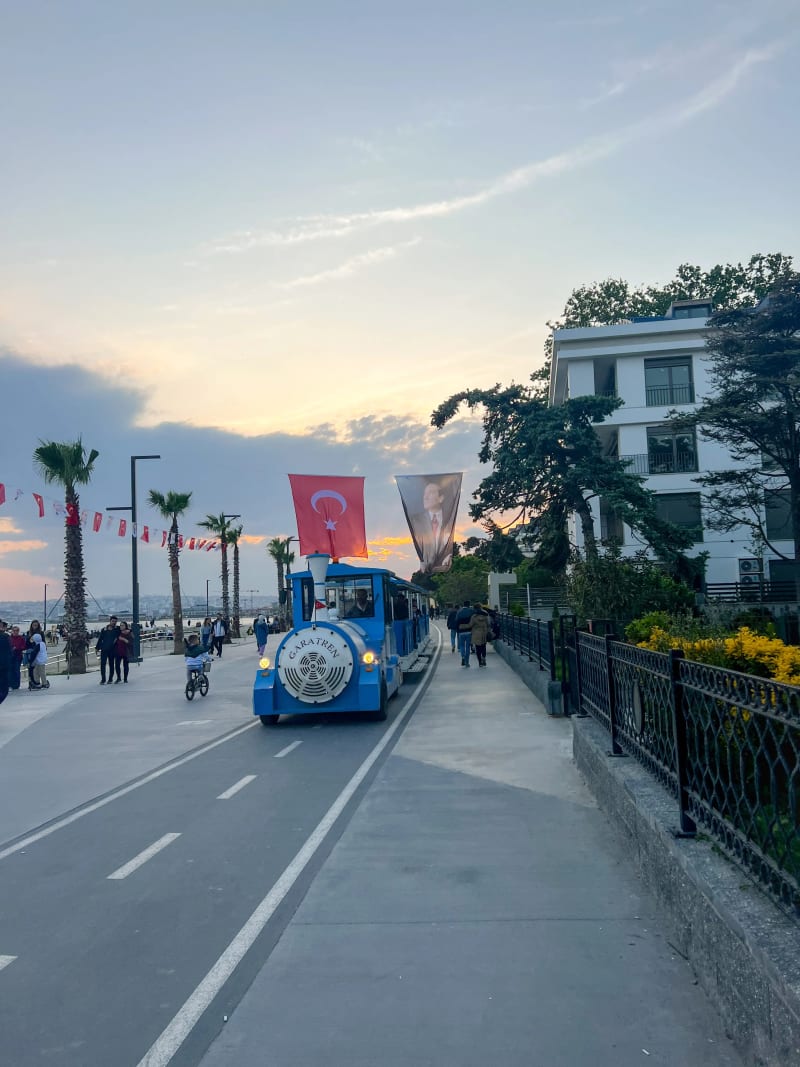
The main beach area, around Büyükçekmece Plajı, has long, gorgeous beaches and a vibrant promenade surrounded by parks and green spaces, shops, cafes, restaurants, and bars. The palm-lined promenade stretches ~13km along the water, popular for walking, biking, jogging, roller skating, or gatherings. Locals will set up a small table and chairs along it to picnic, drink tea, play cards, and enjoy the day. There is a little tram that goes back and forth along the promenade, great for families with children to ride.
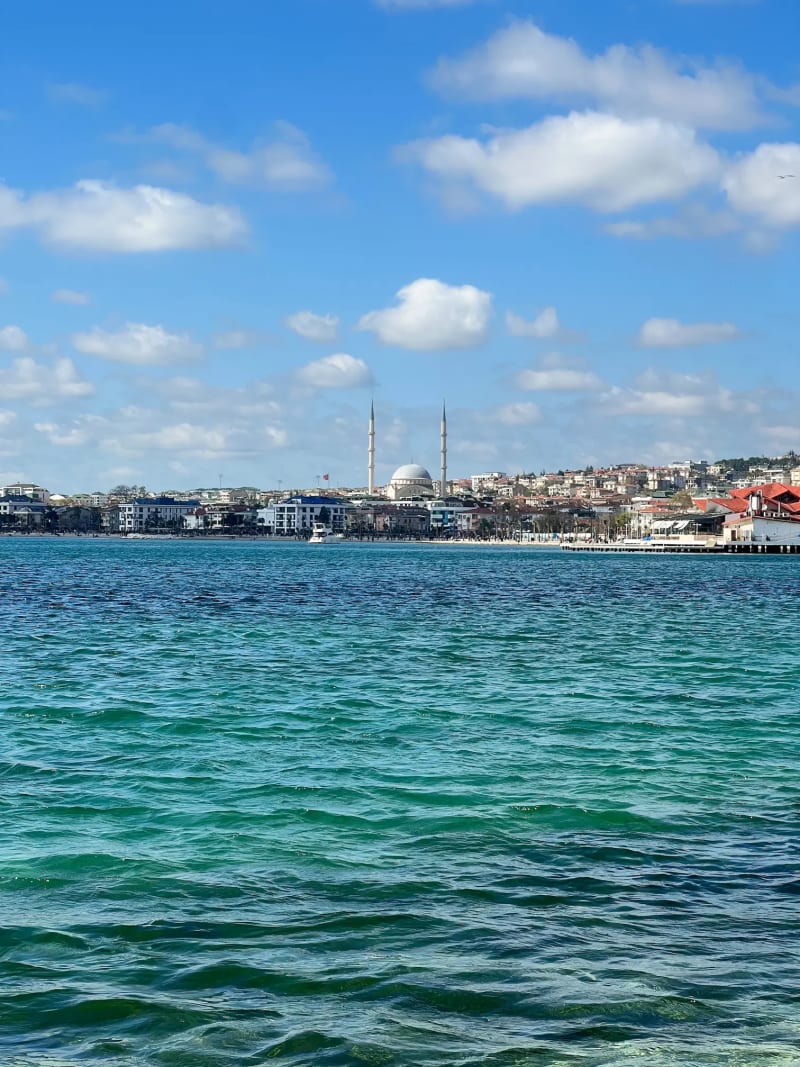
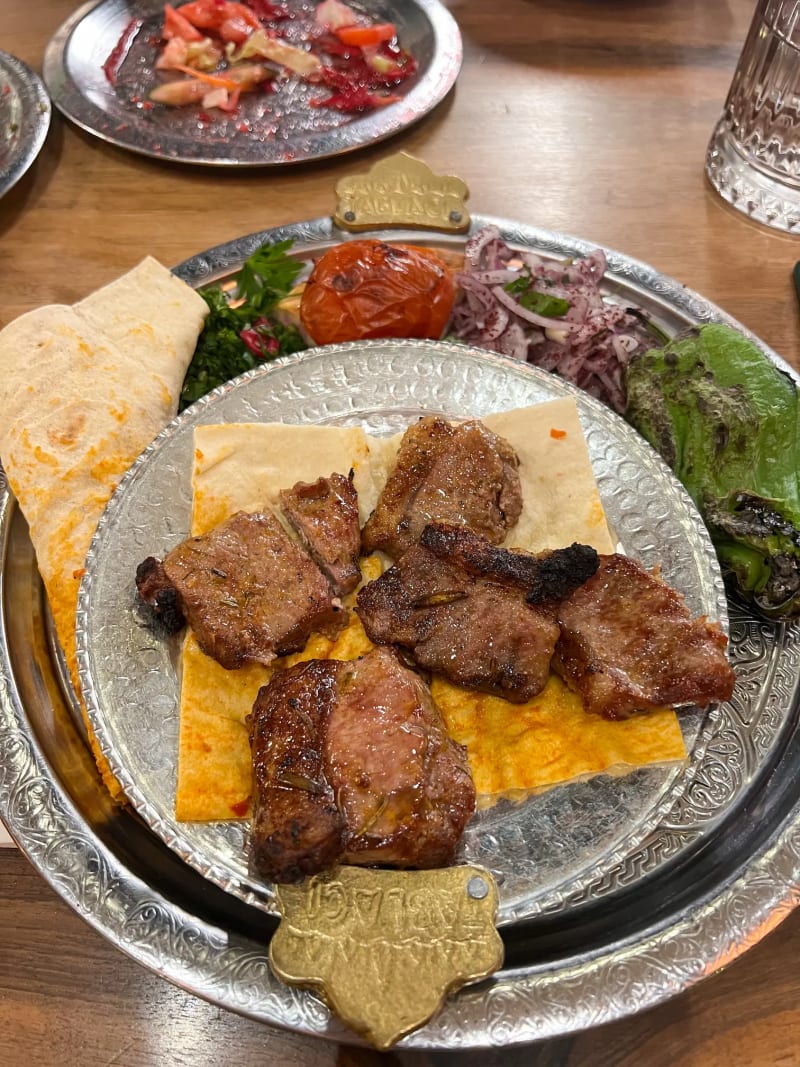
Running parallel to the promenade is Kordonboyu Caddesi - a pedestrian street that has more of the aforementioned establishments that enhance the lively seaside vibe. The name "kordonboyu" literally means "along the cordon" in Turkish and is commonly used for seaside promenades in Türkiye (similar to the famous one in Izmir). Definitely visit this hidden gem if you have the time during your Istanbul trip.
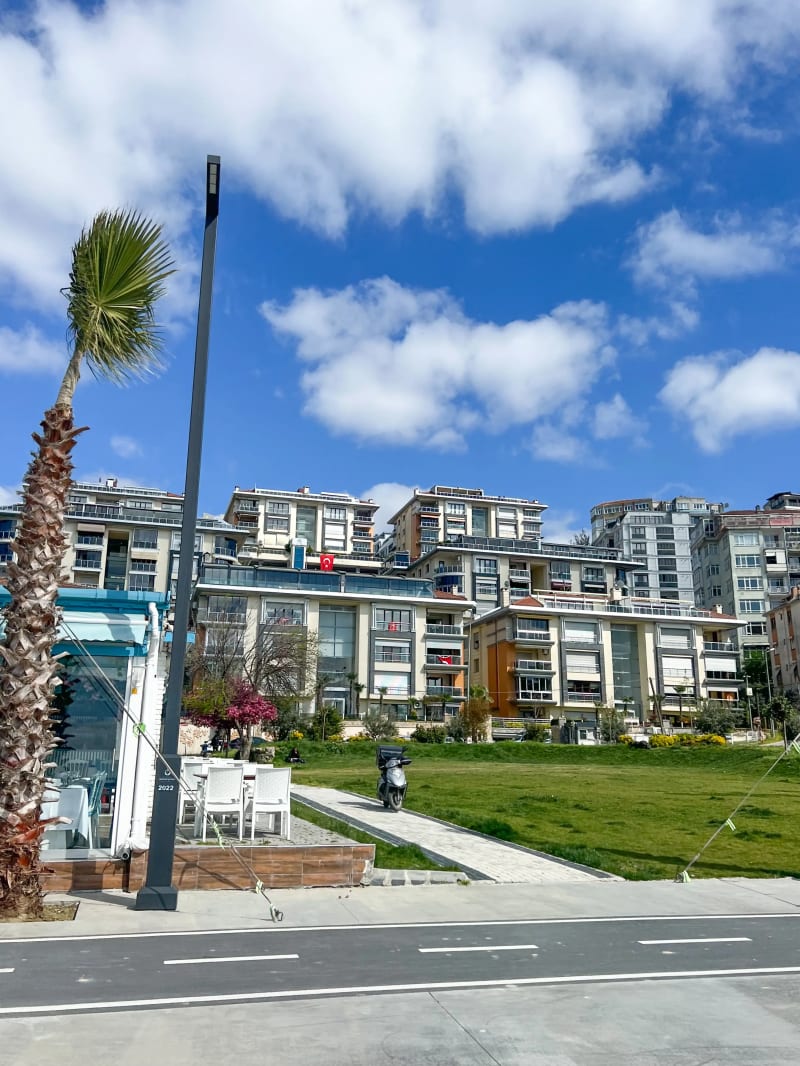
The district of Fatih is one that truly captures the soul of Istanbul — you have Sultanahmet and its majestic mosques, the sensory overload of Eminönü's Spice Bazaar, colorful bohemian streets of Balat, the timeless maze of the Grand Bazaar in Beyazıt, and the serene seaside escape of underrated Büyükçekmece. Whether you're chasing history, flavors, or a quiet moment by the water, Fatih offers something unforgettable for everyone. I've fallen even harder for this city through these neighborhoods, and I hope this guide inspires you to explore them.
Ready for the trendy side of Istanbul? Head over to part two of my Istanbul series for the top things to do in Beyoğlu — the perfect complement to Fatih's old-world charm.